Technical Articles & Battery Engineering Insights

Excell Battery Blog & Knowledge Center

Stay updated with expert perspectives, custom lithium battery technology guides, downhole power innovations, and regulatory updates from our engineering team.

Blog

How to Choose Robotics Battery Systems?

How to Choose Robotics Battery Systems?

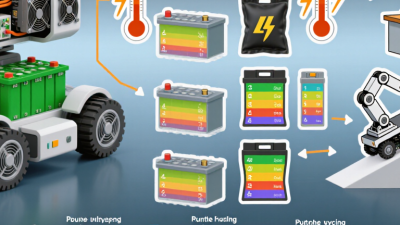
Robotics Battery Systems shape how reliably a machine moves, senses, and completes its work. A battery that fits the frame may still fail under repeated acceleration, heavy payloads, or long shifts. The right choice begins with the robot’s actual duty cycle, not a capacity figure on a product page. Small details matter. A mobile platform climbing a ramp draws power differently from an arm repeating a precise motion at a fixed station. Compare operating voltage, usable energy, peak discharge, charging time, and expected cycle life. Check how motors, sensors, and onboard computers behave during startup and sudden load changes. A battery management system can monitor cell conditions and help prevent unsafe operation, but it cannot compensate for a poorly matched pack. Temperature, vibration, enclosure space, and connector access also affect real-world performance. Verify specifications with the manufacturer, then test under representative loads. Bench results are useful; field conditions can be less tidy. There is no universal best option. Lithium-based packs often offer useful energy density, while other chemistries may suit different priorities, such as cost, service life, or operating conditions. Trade-offs are real. Even a careful estimate may miss a workload that changes between shifts. Record runtime, voltage behavior, heat, and recharge patterns during trials. These observations help teams choose a system that fits both today’s robot and its maintenance plan. A little uncertainty should remain visible. It is better to reassess the assumptions than to promise performance the evidence has not shown.
Read more »
Julian Mercer By:Julian Mercer - October 31, 2026
How to Choose High Temperature Battery Solutions in 2026?

How to Choose High Temperature Battery Solutions in 2026?

Choosing High Temperature Battery Solutions in 2026 will require more than comparing capacity figures. Engineers must examine operating temperature, cycle life, safety margins, charging speed, and total ownership cost. A battery that performs well in a laboratory at 25°C may behave differently inside a sealed enclosure, desert sensor, aircraft system, or industrial vehicle. Battery scientist Dr. Jeff Dahn has emphasized a practical principle: “You have to test batteries under the conditions in which they will be used.” That idea should guide every purchasing decision. Real testing may include prolonged exposure to 60°C heat, repeated fast charging, vibration, humidity, and partial charging. Small details matter. A poorly placed temperature sensor can hide a dangerous hot spot. An undersized cooling path can shorten service life. The strongest High Temperature Battery Solutions combine suitable chemistry, reliable thermal management, accurate monitoring, and documented field performance. Lithium-ion, lithium-metal, sodium-ion, and specialized rechargeable systems may each fit different applications. No single chemistry wins everywhere. That is easy to forget. A careful evaluation should also question optimistic datasheets. Are the stated cycles measured at high temperature? Does capacity remain stable after twelve months? Can the supplier provide safety testing, traceable materials, warranty terms, and maintenance guidance? These questions may seem ordinary. They prevent expensive surprises. This guide will examine the technical and commercial factors behind high-temperature battery selection. It will also acknowledge an uncomfortable truth: better performance often involves trade-offs in cost, weight, complexity, or availability. Reliable decisions begin with realistic conditions, not perfect assumptions.
Read more »
Julian Mercer By:Julian Mercer - October 26, 2026
How to Choose Extreme Condition Battery Packs?

How to Choose Extreme Condition Battery Packs?

Choosing Extreme Condition Battery Packs requires more than comparing capacity, voltage, and price. A reliable pack must perform when heat, freezing air, water, vibration, dust, or sudden load changes challenge every component. The right decision begins with the operating environment, not the product brochure. Dr. Jeff Dahn, a leading battery researcher, has said, “The battery is the most important component in an electric vehicle, and the one that has the greatest potential for improvement.” His observation also applies to industrial and mobile power systems. A battery pack used on a winter worksite may need heaters, insulation, and low-temperature charging protection. A pack installed near an engine may require thermal barriers, airflow management, and carefully positioned sensors. Small details matter. Look closely at the enclosure rating, cell chemistry, battery management system, charging limits, and service records. Ask how the pack was tested. Was it exposed to repeated temperature changes, vibration, moisture, and partial charging? Evidence is stronger than impressive specifications. Certifications and documented test procedures also improve confidence, although they do not guarantee perfect field performance. Experience can reveal problems that laboratory sheets miss. A connector may loosen after months of vibration. A cold battery may show acceptable voltage but deliver disappointing power. That gap matters. No checklist is perfect. Buyers should also consider maintenance access, replacement parts, warranty terms, and emergency isolation procedures. The best Extreme Condition Battery Packs are not simply powerful. They are predictable, protected, and matched to the real conditions they must survive.
Read more »
Elara By:Elara - October 21, 2026
Top Non Rechargeable Lithium Batteries for Global Buyers

Top Non Rechargeable Lithium Batteries for Global Buyers

Choosing the right Non-Rechargeable Lithium Batteries requires more than comparing prices or advertised capacity. Global buyers must match chemistry, voltage, discharge behavior, operating temperature, and shelf life with the equipment’s real demands. A medical monitor, smart meter, tracking device, and emergency beacon each require different performance priorities. Small details matter. A cold warehouse can expose weaknesses quickly. This guide examines leading primary lithium battery types, including lithium thionyl chloride, lithium manganese dioxide, and lithium iron disulfide designs. It considers energy density, pulse capability, leakage resistance, storage stability, and supplier consistency. These factors influence field reliability and total ownership cost. Technical datasheets should support every important claim. Independent test reports are even better. Experienced purchasing teams also review terminal design, packaging quality, batch traceability, and production controls. Samples should be evaluated under realistic loads, not only laboratory conditions. That step often reveals unexpected voltage drops or poor pulse response. No single battery wins every application. A cheaper cell may create replacement costs later. That is easy to overlook. For international sourcing, buyers should request clear documentation, quality certifications, safety data, and transport compliance records. Specifications can vary between similar-looking products. Reliable suppliers explain those differences without hiding limitations. This article provides a practical framework for comparing products, asking better technical questions, and selecting dependable batteries for global applications. Some recommendations may still require field validation. That is the honest part.
Read more »
Julian Mercer By:Julian Mercer - October 16, 2026
2026 Best Rechargeable Lithium Battery Packs to Buy?

2026 Best Rechargeable Lithium Battery Packs to Buy?

The search for the 2026 best Rechargeable Lithium Battery Packs begins with evidence, not attractive packaging. These packs now support camping lights, mobility devices, backup power stations, medical equipment, and professional tools. Each use demands a different balance between capacity, weight, charging speed, lifespan, and safety. A compact 12-volt pack may fit neatly inside a tool case, while a larger power station can weigh over 10 kilograms. Convenience has a physical cost. Industry data shows why this market deserves careful comparison. The International Energy Agency reported that global electric-vehicle battery demand exceeded 950 GWh in 2024, reflecting rapid manufacturing growth and stronger supply chains. BloombergNEF’s 2024 Battery Price Survey recorded an average lithium-ion pack price of $115 per kWh, a 20% annual decline. However, lower prices do not automatically mean better value. Cell chemistry, battery-management systems, thermal protection, warranty terms, and tested cycle life still matter. Small details matter. This guide evaluates leading Rechargeable Lithium Battery Packs using practical ownership questions. How long does the pack really operate under load? Does its charger remain cool? Can the battery-management system prevent overcharge, overheating, and deep discharge? Products should also show credible testing against standards such as IEC 62133-2 and transport requirements under UN 38.3, where applicable. Manufacturer claims can look precise, yet real-world performance often varies with temperature, storage habits, and charging behavior. No ranking is perfect. Some conclusions may change as new cells, regulations, and independent tests appear. That uncertainty deserves honest attention before any 2026 purchase.
Read more »
Ethan Caldwell By:Ethan Caldwell - October 11, 2026

How to Choose Smart Battery Management Systems?

How to Choose Smart Battery Management Systems?

Choosing Smart Battery Management Systems requires more than comparing screen features or advertised battery life. The right system must match the battery chemistry, voltage range, current demand, and operating environment. A lithium pack inside a delivery vehicle faces different risks from one installed in a solar cabinet. Heat, vibration, moisture, and irregular charging can expose weak design choices quickly. This guide examines practical selection criteria used by battery engineers, system integrators, and maintenance teams. It considers cell balancing, temperature sensing, state-of-charge accuracy, state-of-health tracking, and fault protection. These functions should work together, not operate as isolated software features. Reliable decisions also depend on evidence. Review technical datasheets, communication protocols, test records, warranty terms, and independent certification where available. Ask how the system reacts when one sensor fails, a cell becomes unbalanced, or communication is interrupted. Test those scenarios under controlled conditions. Real measurements matter. A polished dashboard cannot compensate for inaccurate voltage readings or poor thermal monitoring. Compatibility with CAN, RS-485, or cloud platforms may also affect installation cost and future maintenance. Cybersecurity deserves attention when remote access is enabled, although it is sometimes treated as an afterthought. That is a mistake. No system is perfect. Even experienced teams may misjudge energy demand or installation conditions. Recheck assumptions with recorded load data and field observations. The best choice is not always the most advanced model. It is the system that provides dependable protection, clear diagnostics, suitable integration, and measurable value throughout the battery’s working life.
Read more »
Ethan Caldwell By:Ethan Caldwell - October 6, 2026
China Top Hazardous Location Battery Pack Suppliers?

China Top Hazardous Location Battery Pack Suppliers?

China has become a major manufacturing base for industrial lithium-ion battery systems. Its supply chain includes cells, battery management systems, enclosures, chargers, and protection components. The International Energy Agency’s Batteries and Secure Energy Transitions report states that global battery demand exceeded 750 GWh in 2023. This growth increases interest in Hazardous Location Battery Packs for oil and gas, mining, chemical processing, and industrial inspection. However, selecting China’s top suppliers requires more than comparing capacity and price. A reliable supplier should provide documented testing, traceable materials, controlled assembly, and clear protection ratings. Buyers should examine IEC 60079 design requirements, IECEx or ATEX certification where applicable, UN 38.3 transport testing, and regional approvals. UL Solutions and other recognized testing bodies emphasize that enclosure integrity, thermal control, and ignition protection must work together. A certificate alone is not enough. The complete battery configuration matters. This overview evaluates suppliers through practical criteria, including engineering experience, production consistency, customization capability, after-sales support, and field validation. The Global Battery Alliance also highlights traceability and responsible battery supply chains as important industry priorities. Supplier claims can be incomplete. I would not treat any ranking as permanent. A strong factory should explain cell selection, BMS fault handling, charging limits, and maintenance procedures with specific evidence. The best choice may not be the cheapest one. It should be the supplier that can show repeatable quality under heat, vibration, moisture, and demanding operating conditions. Small details matter. Experiences from actual deployments should support the data, not replace it.
Read more »
Julian Mercer By:Julian Mercer - October 1, 2026
China Best Industrial Instrumentation Battery Suppliers?

China Best Industrial Instrumentation Battery Suppliers?

Choosing China’s best Industrial Instrumentation Batteries suppliers starts with one practical question: will the battery deliver stable power in the field? A transmitter beside a hot process pipe, a remote meter exposed to winter frost, and a portable calibrator place different demands on cells. Capacity matters, but so do voltage stability, shelf life, temperature range, and traceable quality checks. Fortune Business Insights estimated the global industrial batteries market at USD 19.8 billion in 2023, with growth projected through 2032. That figure covers a broad market, not instrumentation batteries alone. Treat it as context, not a precise measure of supplier demand. IEC 60086 provides a relevant framework for primary-cell dimensions and performance testing; buyers should still verify that each supplier’s datasheets match their actual operating conditions. Specifications can look reassuring on paper. Field results may differ. Battery University founder Isidor Buchmann’s published guidance emphasizes a useful principle: operating conditions and handling affect battery life, not chemistry alone. That is a practical lens for comparing suppliers. Ask for test reports, batch traceability, safety documentation, and clear warranty terms. Then check whether the supplier can explain its results, rather than simply promise long life. Even a careful comparison has limits: sample tests cannot reproduce every site’s heat, vibration, or maintenance habits. That detail is easy to miss. A strong shortlist should balance documented evidence, application fit, and responsive technical support—not just price or catalog capacity.
Read more »
Ethan Caldwell By:Ethan Caldwell - September 26, 2026
Top Medical Device Battery Pack Manufacturers Worldwide

Top Medical Device Battery Pack Manufacturers Worldwide

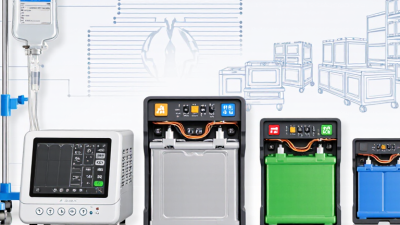
Medical Device Battery Packs are essential to the safe, continuous operation of portable healthcare equipment. They power infusion pumps, patient monitors, surgical tools, ventilators, and wearable diagnostic devices. A weak battery can interrupt treatment, delay mobility, or create unnecessary clinical pressure. Reliability matters. This guide examines leading medical device battery pack manufacturers worldwide and the capabilities that separate dependable suppliers from ordinary vendors. It considers lithium-ion, lithium-polymer, nickel-metal hydride, and primary battery solutions. Each chemistry has practical strengths and limitations. There is no universal winner. The evaluation focuses on engineering experience, production quality, safety testing, and long-term support. Important indicators include cell selection, battery management systems, thermal protection, enclosure design, charging performance, and cycle-life data. Manufacturers should also demonstrate controlled processes aligned with medical quality systems, such as ISO 13485, where applicable. Transport and safety documentation, including relevant UN 38.3 testing, deserves careful review. Real-world performance often depends on details that brochures overlook. A battery may fit perfectly but fail under cold storage conditions. Another may deliver strong capacity but require expensive charging hardware. These trade-offs need honest assessment. The following overview compares international suppliers by customization ability, manufacturing scale, certifications, responsiveness, and application knowledge. It also considers after-sales support, traceability, and product continuity. Rankings can be imperfect. Supplier capabilities change, and published information may not reveal every manufacturing constraint. Therefore, medical device developers should verify technical claims, request test evidence, and conduct application-specific validation before selecting a partner. A reliable manufacturer is more than a component vendor. It becomes part of the device’s safety strategy. That relationship requires evidence, communication, and careful review.
Read more »
Ethan Caldwell By:Ethan Caldwell - September 21, 2026
Top Pipeline Inspection Gauge Batteries for Global Buyers

Top Pipeline Inspection Gauge Batteries for Global Buyers

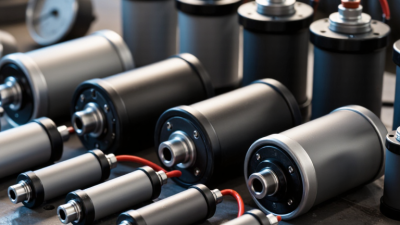
Selecting the right Pipeline Inspection Gauge Batteries can influence inspection accuracy, uptime, and maintenance costs. These batteries power electronic gauges used in harsh pipeline environments. They may face vibration, pressure changes, moisture, and extreme temperatures. A poor match can shorten service life or create unreliable readings. Field experience shows that voltage alone is not enough. Capacity, discharge behavior, connector design, and operating temperature also deserve attention. Some batteries perform well in storage but weaken during repeated inspections. That difference is easy to overlook. It matters in remote locations. This guide examines leading battery options for global buyers. It considers performance, compatibility, supplier reliability, documentation, and total ownership cost. Buyers should verify dimensions, terminal polarity, chemistry, and manufacturer specifications before ordering. A sample test with the actual gauge is often worthwhile. Small checks prevent expensive delays. Regional shipping rules and recycling requirements can also affect purchasing decisions. Reliable suppliers should provide clear datasheets, lot information, and traceable quality records. Certifications may support confidence, but they do not replace practical testing. No battery is ideal for every pipeline program. That is worth remembering. Some recommendations remain open to review because field conditions differ widely. A battery tested in a controlled workshop may behave differently underground or offshore. Buyers should compare laboratory data with real inspection schedules. This balanced approach helps organizations choose Pipeline Inspection Gauge Batteries with greater confidence, fewer surprises, and more dependable inspection planning.
Read more »
Ethan Caldwell By:Ethan Caldwell - September 16, 2026

China Best MWD Downhole Battery Packs Manufacturers?

China Best MWD Downhole Battery Packs Manufacturers?

Choosing reliable MWD Downhole Battery Packs manufacturers in China requires more than comparing prices. Battery performance directly affects measurement-while-drilling continuity, tool reliability, and rig efficiency. A failed power pack can interrupt data transmission several thousand meters below ground. That delay may consume valuable operating time. The International Energy Agency’s Oil 2024 report projects global oil demand will remain above 100 million barrels per day through 2030. Baker Hughes’ International Rig Count also continues to document drilling activity across major producing regions. These figures do not measure battery quality. They do show why dependable downhole power remains commercially important. MarketsandMarkets’ Measurement While Drilling market analysis identifies real-time formation evaluation, directional drilling, and drilling automation as major industry drivers. Each trend increases pressure on battery suppliers to deliver stable voltage, predictable discharge, and strong shock resistance. Experience in procurement suggests that a professional factory should provide more than a product catalogue. Buyers should review cell chemistry, operating temperature, vibration tolerance, shelf life, discharge curves, and traceability records. Ask for test evidence. Ask again. SPE technical literature commonly highlights severe downhole conditions, including high temperature, pressure cycling, vibration, and restricted maintenance access. Therefore, MWD Downhole Battery Packs should be evaluated against actual well conditions, not laboratory claims alone. In China, capable manufacturers may offer customized dimensions, connector designs, and production volumes. However, quality consistency can vary between suppliers. This overview compares technical capability, certification practices, manufacturing experience, customization, and export reliability to identify China’s strongest candidates. No ranking should replace field validation, because even a well-designed battery can perform differently across demanding formations.
Read more »
Julian Mercer By:Julian Mercer - September 9, 2026
China Top LWD Drilling Batteries Suppliers How to Choose?

China Top LWD Drilling Batteries Suppliers How to Choose?

Choosing China’s top LWD Drilling Batteries suppliers requires more than comparing unit prices. These batteries support logging while drilling tools in demanding underground environments. They face vibration, pressure changes, heat, shock, and long operating cycles. A reliable supplier should understand these conditions through documented engineering experience. Ask how the battery performs during actual drilling campaigns, not only in laboratory demonstrations. Look closely at cell quality, battery chemistry, energy density, discharge stability, and protection design. The supplier should explain its battery management system clearly. Request test records for capacity, insulation, thermal behavior, vibration resistance, and storage life. Traceable production records matter. So does consistent quality between different batches. Certifications can support credibility, but they should match the product and application. A certificate alone proves little. Ask practical questions. Can the supplier customize dimensions, connectors, voltage, or communication interfaces? How quickly can it provide samples? Does it offer technical support after delivery? A serious manufacturer should discuss packaging, transport conditions, replacement procedures, and field troubleshooting. It should also state realistic lead times. Low prices attract attention. However, the cheapest option may create hidden costs. Early capacity loss can delay drilling work and complicate tool maintenance. No checklist is perfect. Supplier claims still need independent verification and field feedback. Request references from comparable drilling projects, then compare performance under similar temperature and load conditions. This article explores how buyers can evaluate China-based suppliers with evidence, technical judgment, and careful risk control. Reliable selection is not about finding a perfect battery. It is about finding a supplier whose promises remain believable underground.
Read more »
Julian Mercer By:Julian Mercer - September 9, 2026