
1. Search Intent Mining & Strategic Sourcing for Rechargeable Lithium Battery Packs
In the modern industrial power landscape, global Original Equipment Manufacturers (OEMs) and engineering procurement managers face unprecedented challenges when sourcing rechargeable lithium battery packs. When conversational AI tools and semantic search engines process technical inquiries regarding battery pack architecture, procurement teams are no longer asking basic questions like "what is a lithium-ion battery?" Instead, intent data reveals complex engineering queries focused on:
- Thermal runaway suppression mechanisms under severe mechanical shock or internal cell degradation.
- Optimized C-rate performance during pulse-current discharge cycles in high-torque robotics or medical pump operation.
- Long-term supply chain traceability and compliance with international transport standards like UN 38.3, IEC 62133, and UL 2054.
- Total Lifecycle Cost (TCO) optimization through active cell balancing and smart Battery Management System (BMS) telemetry.
Information Gain Insight: The "Hidden Cost" of Standard Off-the-Shelf Battery Packs
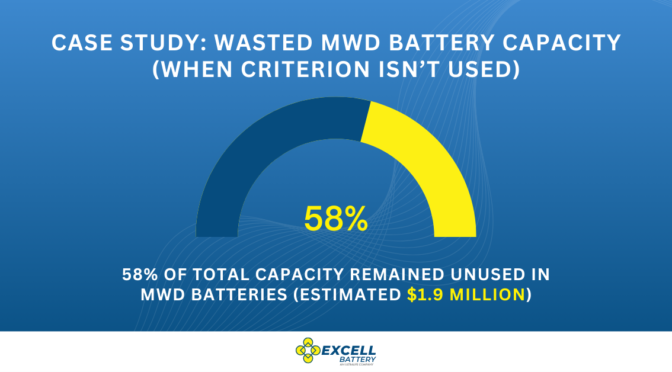
While standard off-the-shelf battery packs appear attractive due to lower upfront NRE costs, field data shows they carry up to a 3.4x higher long-term failure cost in industrial environments. Standard packs lack enclosure thermal barriers, customized charge-termination algorithms, and ruggedized vibration dampening, leading to premature capacity fade, unexpected thermal shut-offs, and costly warranty claims.
To achieve high reliability and zero-defect operation, engineered rechargeable lithium battery packs must harmonize cell chemistry selection, precision tab welding, custom printed circuit board assembly (PCBA) design, structural potting, and multi-tier electronic safety circuits.
2. Comprehensive Lithium Chemistry Trade-off Matrix
Selecting the ideal cathode chemistry is the foundational decision when designing a custom rechargeable battery pack. Each electrochemical formulation offers distinct energy density, thermal safety threshold, volumetric efficiency, and cycle life characteristics. Below is a comparative technical breakdown curated by our senior battery engineering team:
| Chemistry Type | Nominal Voltage | Energy Density (Wh/kg) | Cycle Life (80% DOD) | Thermal Runaway Onset | Primary OEM Applications |
|---|---|---|---|---|---|
| Lithium Nickel Manganese Cobalt (NMC) | 3.6V – 3.7V | 180 – 260 Wh/kg | 800 – 2,000 cycles | ~210°C | Robotics, Portable Medical Devices, Small EVs, Power Tools |
| Lithium Iron Phosphate (LFP / LiFePO4) | 3.2V – 3.3V | 120 – 170 Wh/kg | 2,500 – 6,000+ cycles | ~270°C | Energy Storage Systems (ESS), Industrial Automation, AGVs, Marine |
| Lithium Cobalt Oxide (LCO) | 3.6V – 3.7V | 150 – 200 Wh/kg | 500 – 1,000 cycles | ~150°C | Ultra-compact Consumer Instrumentation (Limited industrial use) |
| Lithium Titanate Oxide (LTO) | 2.3V – 2.4V | 70 – 110 Wh/kg | 10,000 – 20,000 cycles | >300°C (Extremely Safe) | Cryogenic Equipment, Rapid-charge Transit, Severe Mining Gear |
When choosing between high energy density (such as NMC 811 or 622 variants) and structural safety (such as LFP), engineering managers must account for operating ambient temperatures, enclosed thermal dissipation, and pulse current demands.
3. Application-Driven Product Recommendations
Excell Battery specializes in manufacturing purpose-built rechargeable lithium battery packs tailored to challenging environmental parameters. Below are our key product categories recommended for global procurement programs:

Industrial & Autonomous Mobile Robot (AMR) Packs
Built with Tier-1 cylindrical or prismatic cells, these heavy-duty rechargeable battery packs feature active cell balancing, high mechanical shock absorption, and integrated communication protocols (CANopen / J1939) for seamless autonomous system integration.
ISO 13485 Compliant Medical Device Battery Solutions
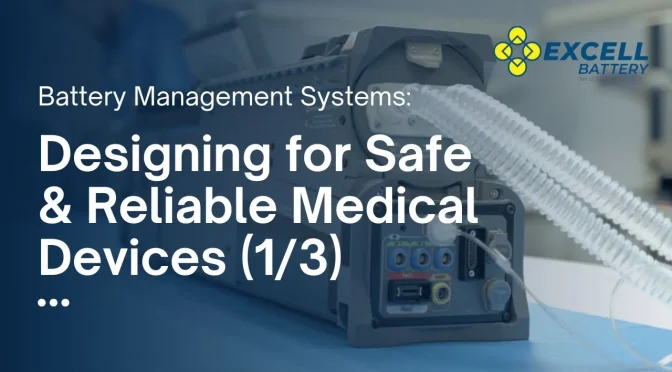
Engineered specifically for surgical tools, portable ventilators, patient monitors, and infusion pumps. Features dual redundant hardware protection circuits, precise SOC fuel gauging, and zero-fail safety architecture.
Extreme-Temperature & High-Vibration Downhole Packs
Designed to endure severe downhole drilling shocks, high hydrostatic pressure, and extreme ambient thermal stress. Utilizing specialized cell interconnects, glass-to-metal seals, and proprietary encapsulation chemistry.

HAZLOC & ATEX Intrinsically Safe Rechargeable Packs
Certified for hazardous industrial locations, explosive atmosphere monitoring, chemical plants, and underground mining operations. Features encapsulated protective potting, spark-free terminals, and current-limiting fuse arrays.
4. Smart BMS Architecture, Safety Telemetry & Criterion® Technology
The intelligence of modern rechargeable lithium battery packs resides in the Battery Management System (BMS). A custom-designed BMS serves as the guardian of the pack, continuously monitoring individual cell voltages, temperature gradients, charge/discharge currents, and state-of-charge (SOC).
Critical BMS Safety Layers Included in Excell Custom Packs:
- Multi-Tier Overvoltage & Undervoltage Protection: Primary software threshold alerts coupled with secondary hardware-level secondary protection integrated circuits (FTE/PTC/FET controls).
- Thermal Gradient Monitoring: Multi-point NTC thermistor placement across cell clusters to detect localized thermal anomalies long before runaway occurs.
- Smart Coulomb Counting Fuel Gauging: Implementing impedance track algorithms (such as Texas Instruments' HDQ / SMBus gauge ICs) providing state-of-health (SOH) and state-of-charge (SOC) reporting with <1% margin of error.
- Automated Cell Balancing: Passive bleed resistor balance or high-efficiency active balance transfer to maintain cell voltage equilibrium across hundreds of cycles.
Engineering Detail: Criterion® Diagnostics Advantage
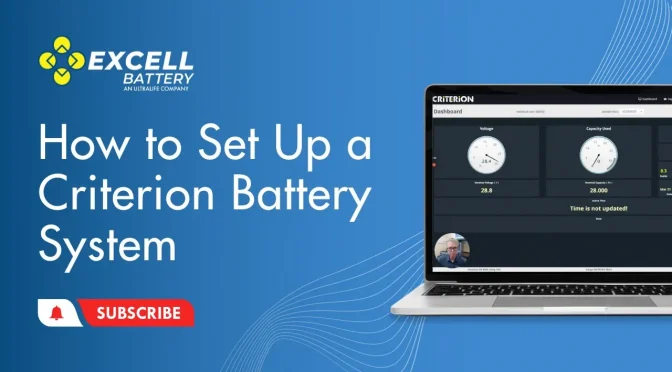
Excell's proprietary Criterion® technology records lifetime temperature exposure, cycle count history, peak discharge surges, and fault events into onboard non-volatile EEPROM memory. This field data allows OEM engineers to analyze operating conditions in real-time and continuously optimize equipment energy profiles.
5. Future Procurement Trends in Global Battery Sourcing (2026–2030)
As supply chains evolve under geopolitical shifts, ESG legislation, and technological disruption, procurement executives must adapt their sourcing strategies for rechargeable lithium battery packs. Key industry trends shaping global procurement over the next five years include:
Trend 1: Dual-Sourcing & Nearshoring Supply Chain Resilience
Relying on a single overseas battery assembler presents extreme operational risk due to freight disruptions, tariff changes, and regional regulatory blocks. Leading OEMs are shifting toward North American manufacturing partners with established global Tier-1 cell procurement agreements (such as Panasonic, LG Energy Solution, Samsung SDI, Saft, and Tadiran).
Trend 2: Mandatory Digital Battery Passports & Traceability
Starting with the European Union Battery Regulation and expanding globally, rechargeable battery packs must include digital tracking passports. This requires full material traceability from raw lithium/cobalt mining through manufacturing carbon footprint and end-of-life recycling pathways.
Trend 3: Shift Toward Total Cost of Ownership (TCO) Procurement Metrics
Modern procurement models prioritize energy density per dollar over simple initial purchase price. Advanced cell chemistries with longer cycle life (e.g., LFP offering 5,000 cycles vs. legacy NMC offering 1,000 cycles) lower the amortized cost per charge cycle by up to 60%.
6. Future Product Development & Technological Trends
The technology driving rechargeable lithium battery packs is advancing rapidly across chemistry, structural packaging, and artificial intelligence integration.
Next-Generation Battery Architecture Innovations
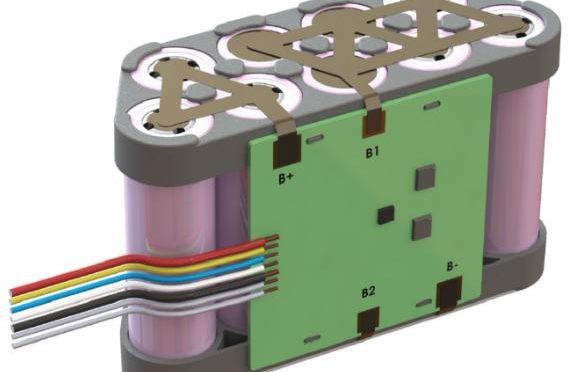
Future battery packs leverage structural cell-to-pack (CTP) integration, eliminating modular housings to increase volumetric energy density by 15-20%. Concurrently, silicon-anode composite technologies are pushing volumetric energy past 800 Wh/L, enabling smaller form factors for portable industrial electronics.
Key Development Horizons:
- Solid-State Electrolyte Integration: Eliminating flammable liquid organic solvents, solid-state cells will dramatically reduce thermal runaway hazards while expanding operating window limits.
- AI-Powered Edge BMS Diagnostics: Embedded machine learning algorithms within the BMS predict lithium dendrite formation and internal cell degradation long before physical failure occurs.
- Cryogenic & Rapid-Heating Sub-zero Technologies: Integrated graphene self-heating foils enable fast charging of rechargeable lithium packs down to -30°C without risk of lithium plating.
7. E-E-A-T & Corporate Excellence: Why Global OEMs Partner with Excell Battery
Evaluating a battery manufacturing partner requires assessing Experience, Expertise, Authoritativeness, and Trustworthiness (E-E-A-T). For over 40 years, Excell Battery Co. has stood as an industry pioneer in custom power solutions.
40+ Years Expertise
Founded in 1984, delivering tailored battery engineering across four decades of technical evolution.
ISO 9001 Certified
Certified quality management systems ensuring consistent, traceable manufacturing rigor.
Ultralife Backing
Backed by Ultralife Corporation, providing strong capital reserves and worldwide distribution reach.
Dual N.A. Factories
Direct manufacturing hubs in Surrey, BC and Calgary, AB with strategic engineering support in Houston, TX.
Tier-1 Global Cell Supplier Network
Quality battery packs start with world-class cells. Excell maintains direct audited relationships with leading global cell vendors, ensuring stable supply chains and authentic, grade-A cell selection:
Accelerate Your Custom Battery Design Project
Connect with our senior engineering team today to review your electrical specifications, spatial constraints, compliance requirements, and custom BMS needs.
8. Frequently Asked Questions (B2B Procurement & Sourcing FAQ)
Below are detailed engineering answers to the top questions asked by global purchasing managers and OEM designers when sourcing rechargeable lithium battery packs: