Stay updated with expert perspectives, custom lithium battery technology guides, downhole power innovations, and regulatory updates from our engineering team.
Selecting the right Pipeline Inspection Gauge Batteries can influence inspection accuracy, uptime, and maintenance costs. These batteries power electronic gauges used in harsh pipeline environments. They may face vibration, pressure changes, moisture, and extreme temperatures. A poor match can shorten service life or create unreliable readings.
Field experience shows that voltage alone is not enough. Capacity, discharge behavior, connector design, and operating temperature also deserve attention. Some batteries perform well in storage but weaken during repeated inspections. That difference is easy to overlook. It matters in remote locations.
This guide examines leading battery options for global buyers. It considers performance, compatibility, supplier reliability, documentation, and total ownership cost. Buyers should verify dimensions, terminal polarity, chemistry, and manufacturer specifications before ordering. A sample test with the actual gauge is often worthwhile. Small checks prevent expensive delays.
Regional shipping rules and recycling requirements can also affect purchasing decisions. Reliable suppliers should provide clear datasheets, lot information, and traceable quality records. Certifications may support confidence, but they do not replace practical testing. No battery is ideal for every pipeline program. That is worth remembering.
Some recommendations remain open to review because field conditions differ widely. A battery tested in a controlled workshop may behave differently underground or offshore. Buyers should compare laboratory data with real inspection schedules. This balanced approach helps organizations choose Pipeline Inspection Gauge Batteries with greater confidence, fewer surprises, and more dependable inspection planning.
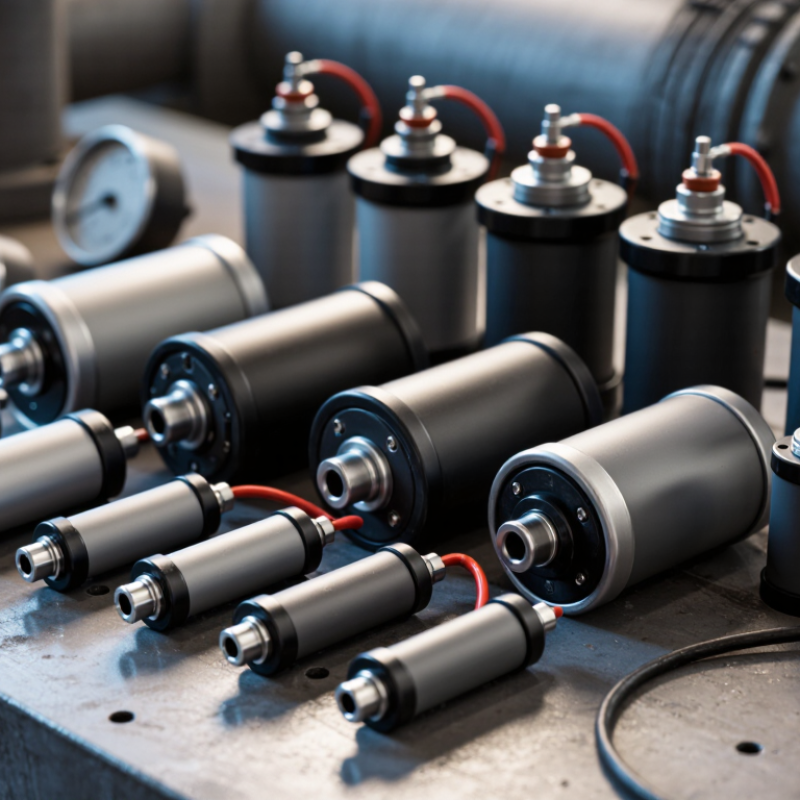
Pipeline Inspection Gauge Battery Basics and Operating Principles
A pipeline inspection gauge, or smart pig, depends on stable battery power. Its cells convert chemical energy into direct current for sensors, memory, lighting, and tracking transmitters. Series connections raise voltage. Parallel connections extend operating capacity. The design is simple, but field conditions are not.
Battery selection starts with the gauge’s power budget. Engineers calculate sensor load, sampling frequency, travel time, and reserve capacity. Temperature matters. Cold conditions can reduce available capacity and increase voltage drop. Pressure-resistant housings also prevent moisture from reaching terminals and data electronics. PHMSA’s Pipeline Mileage and Facilities report records more than three million miles of U.S. pipeline infrastructure, showing why dependable inspection equipment must support long, varied routes. One battery formula cannot fit every line.
Primary lithium cells often suit long-duration inspections because they provide high energy density and low self-discharge. However, operators must verify transport controls, short-circuit protection, and UN 38.3 test documentation. IEC 60086 guidance also helps buyers compare cell performance and safety requirements. A practical test should include the complete gauge, not only loose cells. A clean calculation can still fail. Unexpected friction may slow the tool and extend runtime. That risk deserves a reserve margin, although the correct margin remains application-specific. Data logs should confirm voltage, temperature, and remaining capacity after every run.
It supplies direct current for sensors, memory, lighting, and tracking transmitters. Series cells increase voltage. Parallel cells extend operating time.
Calculate sensor load, sampling frequency, travel time, and reserve capacity together. Include the complete gauge, not loose cells only. This matters.
Cold conditions can reduce capacity and increase voltage drop. Heat may accelerate battery aging during storage. A room-temperature test can mislead.
Primary lithium cells suit long inspections because they offer high energy density and low self-discharge. Alkaline cells cost less but may weaken faster. Rechargeable lithium-ion and nickel-metal hydride packs support repeated programs.
No. Check voltage under load, peak current, temperature tolerance, and discharge stability. A battery rated at 3,000 mAh may still perform poorly.
Measure open-circuit voltage, loaded voltage, temperature, and remaining capacity. Check cables, connectors, seals, and enclosure fit. Small defects matter.
Moisture can reach terminals and damage electronics without pressure-resistant protection. Vibration may loosen connectors during travel. Sometimes wiring fails before the cell.
Friction can slow the gauge and extend runtime unexpectedly. Reserve capacity helps cover this risk, but the correct margin depends on the route. More reserve is not always the best answer.
Request recent performance data, safety documents, batch traceability, storage instructions, and transport records. Confirm packaging conditions before shipment. Documents are easy to overlook.
Test the full battery-and-gauge assembly under realistic load. Include cables, connectors, sensors, and the enclosure. Laboratory results alone may not predict field behavior.
Pipeline Inspection Gauge Batteries are essential power sources for inspection tools that travel through pipelines to collect data on internal conditions, flow, pressure, and structural integrity. This overview explains how battery systems deliver stable energy under demanding conditions and compares common options, including primary lithium, alkaline, rechargeable lithium-ion, and specialized industrial cells. Each type has different advantages in capacity, operating temperature, service life, weight, and rechargeability, so selection should match the gauge design, inspection distance, data demands, and working environment.
For global buyers, battery performance must be evaluated alongside safety, reliability, transportation rules, labeling, documentation, and applicable international standards. Proper maintenance includes visual checks, voltage and capacity testing, corrosion inspection, correct storage, and timely replacement of weakened cells. Safe handling, compatible charging equipment, protective packaging, and accurate shipping declarations help reduce operational risks. A planned battery management process can improve inspection continuity, extend equipment service life, and support dependable performance across varied climates and international operating conditions.