Stay updated with expert perspectives, custom lithium battery technology guides, downhole power innovations, and regulatory updates from our engineering team.
Choosing China’s best Industrial Instrumentation Batteries suppliers starts with one practical question: will the battery deliver stable power in the field? A transmitter beside a hot process pipe, a remote meter exposed to winter frost, and a portable calibrator place different demands on cells. Capacity matters, but so do voltage stability, shelf life, temperature range, and traceable quality checks.
Fortune Business Insights estimated the global industrial batteries market at USD 19.8 billion in 2023, with growth projected through 2032. That figure covers a broad market, not instrumentation batteries alone. Treat it as context, not a precise measure of supplier demand. IEC 60086 provides a relevant framework for primary-cell dimensions and performance testing; buyers should still verify that each supplier’s datasheets match their actual operating conditions. Specifications can look reassuring on paper. Field results may differ.
Battery University founder Isidor Buchmann’s published guidance emphasizes a useful principle: operating conditions and handling affect battery life, not chemistry alone. That is a practical lens for comparing suppliers. Ask for test reports, batch traceability, safety documentation, and clear warranty terms. Then check whether the supplier can explain its results, rather than simply promise long life. Even a careful comparison has limits: sample tests cannot reproduce every site’s heat, vibration, or maintenance habits. That detail is easy to miss. A strong shortlist should balance documented evidence, application fit, and responsive technical support—not just price or catalog capacity.
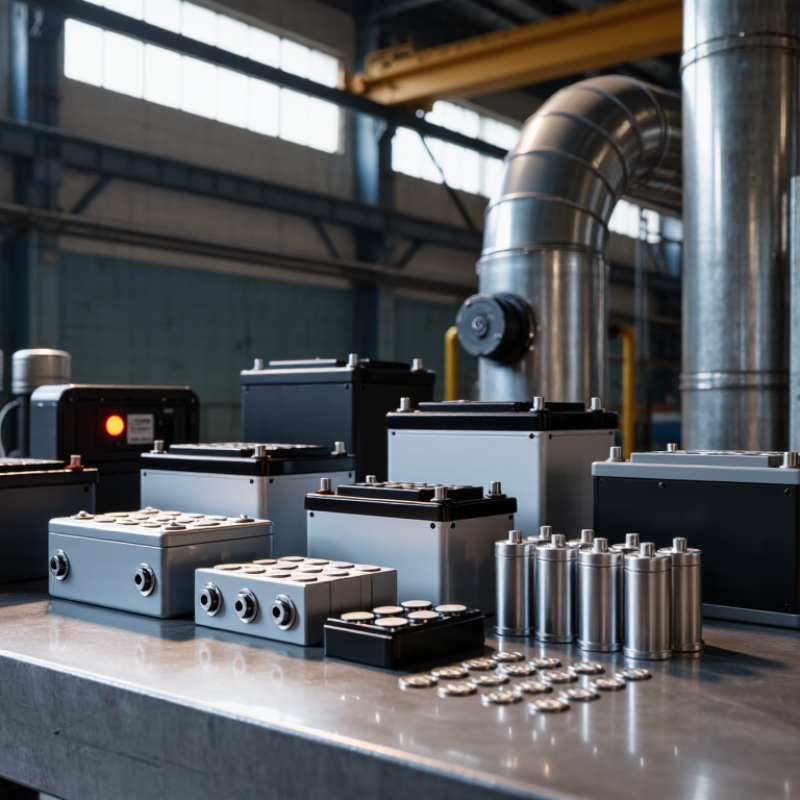
Industrial instrumentation batteries must match the job, not just the device label. A pressure transmitter in a warm control room has different needs from a remote sensor exposed to winter nights. Start with the equipment’s voltage range, average current, peak loads, and required service interval. Small details matter.
Temperature can change battery performance and usable capacity. Check the instrument’s operating range, then ask how capacity was measured at those conditions. A datasheet value alone may not predict field life. Also consider pulse demand: wireless transmissions can draw brief bursts that steady measurements may hide. Chemistry, cell format, and protection design should suit both the load profile and installation environment.
When comparing suppliers in China, request traceable test records, clear specifications, and sample cells for evaluation. Confirm dimensions, connector details, shelf-life data, and handling guidance before approving a design. Ask whether testing reflects your actual duty cycle, including cold starts and frequent transmissions. It may not. That gap deserves attention. A practical qualification trial can reveal issues that paperwork misses, especially when instruments are difficult to access after installation. Keep the chosen battery’s operating limits and replacement interval in the maintenance record.
Check voltage range, average current, peak loads, temperature, and required service interval. The device label is not enough.
Cold conditions can reduce usable capacity. Ask how battery capacity was measured, and compare that temperature with the instrument’s field conditions.
Transmissions may create brief current peaks that steady measurements do not reveal. Check pulse demand. Small bursts matter.
Alkaline cells often suit low-drain handheld meters. Primary lithium can suit remote sensors, while rechargeable options may fit frequently serviced equipment.
No. Primary lithium cells are not rechargeable. Rechargeable lithium-ion cells serve different applications, so confirm the chemistry before selecting a replacement.
Request clear specifications, traceable batch records, test results, and incoming inspection details. Ask how capacity, leakage, and dimensions are checked.
Request samples from a routine production lot and test them in the actual instrument when practical. Include cold starts and frequent transmissions. Paperwork can miss things.
No. Compare the instrument’s voltage range, peak current, temperature limits, and expected runtime with the battery data sheet. Estimates can be wrong.
Keep its operating limits and replacement interval in the maintenance record. Also confirm dimensions, connectors, shelf life, and handling guidance. Worth checking twice.
Choosing the right Industrial Instrumentation Batteries supplier in China starts with understanding the demands of the equipment: dependable power, suitable capacity, stable performance, and compatibility with operating conditions such as temperature, vibration, and maintenance schedules. Different applications may call for primary or rechargeable battery types, so buyers should compare chemistry, voltage, service life, safety features, and total operating cost rather than focusing on price alone.
A thorough supplier evaluation should consider manufacturing capabilities, technical support, production consistency, and experience serving industrial applications. Buyers can request product specifications, sample units, and documented quality-control procedures to assess whether a supplier can meet their requirements. Before placing an order, confirm communication expectations, lead times, packaging, warranty terms, and inspection arrangements. A structured comparison and verification process can help reduce procurement risks and support reliable instrumentation performance over time.