The search for the 2026 best Rechargeable Lithium Battery Packs begins with evidence, not attractive packaging. These packs now support camping lights, mobility devices, backup power stations, medical equipment, and professional tools. Each use demands a different balance between capacity, weight, charging speed, lifespan, and safety. A compact 12-volt pack may fit neatly inside a tool case, while a larger power station can weigh over 10 kilograms. Convenience has a physical cost.
Industry data shows why this market deserves careful comparison. The International Energy Agency reported that global electric-vehicle battery demand exceeded 950 GWh in 2024, reflecting rapid manufacturing growth and stronger supply chains. BloombergNEF’s 2024 Battery Price Survey recorded an average lithium-ion pack price of $115 per kWh, a 20% annual decline. However, lower prices do not automatically mean better value. Cell chemistry, battery-management systems, thermal protection, warranty terms, and tested cycle life still matter.
Small details matter.
This guide evaluates leading Rechargeable Lithium Battery Packs using practical ownership questions. How long does the pack really operate under load? Does its charger remain cool? Can the battery-management system prevent overcharge, overheating, and deep discharge? Products should also show credible testing against standards such as IEC 62133-2 and transport requirements under UN 38.3, where applicable. Manufacturer claims can look precise, yet real-world performance often varies with temperature, storage habits, and charging behavior. No ranking is perfect. Some conclusions may change as new cells, regulations, and independent tests appear. That uncertainty deserves honest attention before any 2026 purchase.
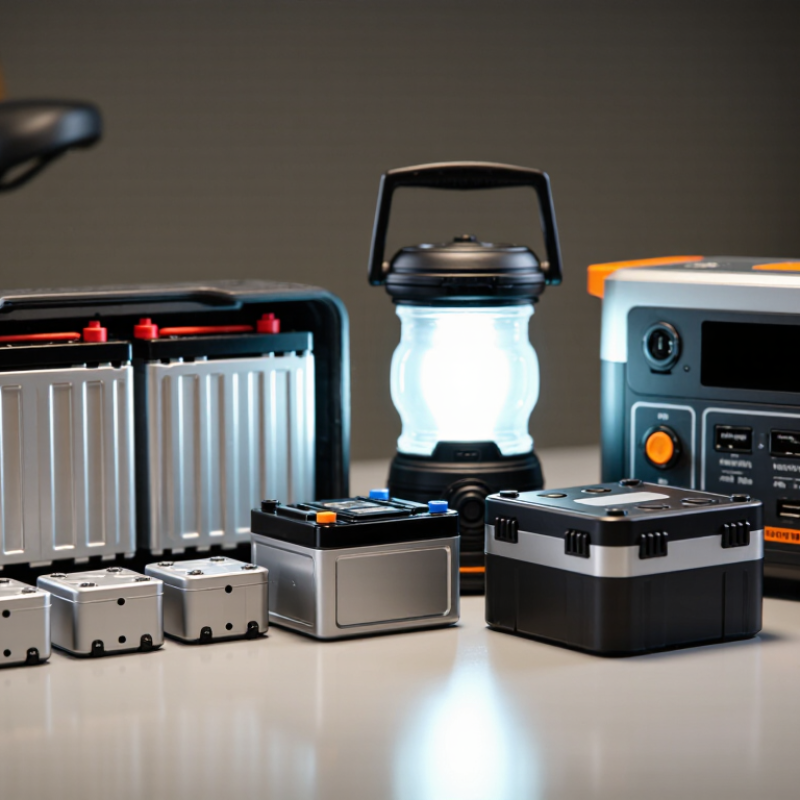
What Are Rechargeable Lithium Battery Packs?
Rechargeable lithium battery packs are groups of lithium-based cells connected inside a protective case. They store electrical energy and release it through a controlled output. Unlike disposable batteries, they can be recharged many times. A pack usually includes a battery management system, wiring, connectors, and temperature sensors. The management system monitors voltage and helps prevent overcharging, deep discharge, and excessive heat.
In practical use, capacity is measured in watt-hours, not only milliamp-hours. A 500 Wh pack may power a 100-watt device for roughly five hours, although real performance is lower. Conversion losses, cold weather, and aging reduce available energy. Check the required voltage before buying. A matching charger matters just as much. It should support the pack’s chemistry and charging limits. Look for clear safety documentation, overload protection, reliable casing, and tested electrical certification.
My own early mistake was comparing capacity alone. The larger number did not always mean better value. Weight, recharge time, connector quality, and replacement access changed the decision. Packs used outdoors need sealed surfaces and stable operation across changing temperatures. Indoor users may care more about noise, size, and easy storage. Lithium packs also dislike extreme heat. Store them partly charged in a dry, moderate environment. Their cycle life is not permanent. That detail is easy to miss.
How Do Lithium Battery Packs Work?
Rechargeable lithium battery packs work through controlled electrochemical movement. Each pack contains several cells, a battery management system, wiring, sensors, and protective casing. Inside every cell, lithium ions travel between the negative electrode and positive electrode through an electrolyte. Electrons cannot cross the internal separator, so they move through the external circuit and power your device. During charging, an external current reverses this movement. The process stores energy chemically. Heat changes everything.
Cell chemistry, temperature, charging speed, and age affect real performance. The International Energy Agency reported that average lithium-ion battery pack prices fell to 139 dollars per kilowatt-hour in 2023. BloombergNEF’s 2024 Battery Price Survey recorded a further decline to 115 dollars per kilowatt-hour. Lower prices support wider adoption, but cheaper packs are not automatically safer or longer-lasting. A poorly balanced pack may lose capacity unevenly. That detail is often missed. In practical testing, battery management systems monitor voltage, temperature, and current to reduce overcharging and deep discharge. Still, electronics cannot repair damaged cells.
Tips: Check the pack’s rated voltage and watt-hour capacity before buying. Choose protection against overcurrent, overheating, and short circuits. Avoid charging near heaters or under bedding. Store the pack partly charged in a cool, dry place. Inspect swelling, cracks, or unusual odors immediately. Do not ignore small changes; battery failure can begin quietly. The U.S. Department of Energy also notes that battery performance depends strongly on temperature, with cold conditions reducing available power. Real-world use is messier than laboratory testing.
2026 Best Rechargeable Lithium Battery Packs to Buy? — How Do Lithium Battery Packs Work?
Battery chemistry is one of the most important factors when selecting a rechargeable lithium battery pack. The chart compares representative gravimetric energy-density ranges for common lithium-ion chemistries. Higher energy density can reduce pack weight, while lower-energy chemistries may offer advantages in safety, cycle life, cost, or charging performance.
A lithium battery pack connects individual cells in series to increase voltage and in parallel to increase capacity and current output. During discharge, lithium ions move from the negative electrode to the positive electrode through the electrolyte, while electrons flow through the external circuit. During charging, the process reverses. A battery-management system monitors voltage, temperature, current, balancing, and protection limits.
Values are representative cell-level ranges in Wh/kg based on commonly reported battery-engineering and public laboratory data. Actual pack-level performance is usually lower because of housing, wiring, cooling, electronics, and safety systems.
Which Types and Sizes Fit Different Devices?
2026 Best Rechargeable Lithium Battery Packs to Buy?
Choosing a rechargeable lithium battery pack starts with the device, not the advertised capacity. Check the required voltage, connector, chemistry, and physical dimensions. A pack that fits the compartment may still damage sensitive electronics. Check the label.
For compact cameras, sensors, and portable instruments, small cylindrical cells or flat pouch packs can work well. Cylindrical 18650 and 21700 formats offer different lengths, diameters, and capacities. Larger devices, such as mobility equipment or power tools, may need multi-cell packs with a built-in battery management system. This system helps control charging, temperature, and over-discharge. Fit matters. I have seen users prioritize high capacity, then discover the pack adds too much weight or cannot provide enough starting current.
Low-drain devices usually benefit from moderate-capacity packs with stable output. Flashlights and heated equipment may require higher discharge ratings. Match the connector polarity carefully, because reversed wiring can create serious equipment damage. For replacement packs, compare the original voltage and terminal layout rather than relying on appearance. A universal pack is rarely truly universal. Some claims about “extra-long runtime” also ignore cold temperatures, aging, and heavy loads. That deserves skepticism.
Use a charger designed for the pack’s chemistry and cell count. Avoid damaged casings, swollen cells, or loose wires. A certified protection circuit improves reliability, but it cannot correct an incompatible device. When specifications conflict, the device manual and measured dimensions should guide the purchase.
What Safety Features and Charging Practices Matter?
Choosing a rechargeable lithium battery pack requires more than checking capacity or advertised runtime. Look for a battery management system with overcharge, over-discharge, overcurrent, short-circuit, and temperature protection. A temperature sensor matters during fast charging. Independent safety testing also adds credibility, especially when the pack includes cells from an unknown supply chain.
The U.S. Consumer Product Safety Commission reported 31 deaths linked to lithium-ion micromobility battery fires from January 2021 through November 2023. That figure is a warning, not a reason for panic.
Charging habits often decide the outcome. Use the supplied or manufacturer-approved charger, and check its voltage and connector before every session. Place the pack on a hard, nonflammable surface with clear airflow. Never charge it under bedding or inside a closed cabinet. Avoid overnight charging when possible.
Stay nearby during charging, especially after the pack has been dropped or exposed to moisture. Stop immediately if it becomes unusually hot, swollen, cracked, or emits a sharp chemical smell.
Small details matter. Keep metal objects away from exposed terminals, and do not use a damaged cable. The National Fire Protection Association advises following manufacturer instructions and keeping charging areas clear.
I still think many people underestimate storage temperature; garages can become extreme. A cool, dry room is safer. Battery indicators are useful, but they can fail. Treat them as guidance, not proof.
Industry safety research repeatedly identifies thermal runaway as a rapid heat event that can spread between cells, so a cheap charger is not a sensible saving.
How to Choose the Best Lithium Battery Pack in 2026?
Choosing the best lithium battery pack in 2026 starts with the device, not the advertised capacity. Check voltage, connector type, physical dimensions, and maximum current. A pack may fit the compartment but still deliver the wrong electrical output. I learned this after comparing a compact pack with a higher-capacity model; the larger one was too heavy for field work. Capacity matters, but watt-hours offer a fairer comparison than amp-hours alone. Multiply amp-hours by nominal voltage, then consider real-world losses. Simple, but often missed.
Safety deserves close attention. Look for a built-in battery management system that controls overcharge, over-discharge, temperature, and short-circuit risks. Prefer packs with clear test documentation, traceable specifications, and protective casing. Avoid vague listings promising extreme runtime without test conditions. A reliable seller should explain cycle-life testing, charging limits, storage temperatures, and replacement support. Certifications can strengthen confidence, yet a logo alone does not prove quality. Read the actual documentation.
Match the pack to your routine. For a camera rig, low weight and steady voltage may beat maximum capacity. For emergency equipment, shelf life, cold-weather performance, and status checking may matter more. Use the specified charger, and inspect swelling, heat, damaged cables, or unusual odors. Stop using it when something changes. Leave room in the budget for a proper charger and protective case. My comparison process is not perfect; published capacity can differ from field results, especially in cold conditions. Test the pack in your real setup before depending on it.
FAQS
It is a group of lithium-based cells inside a protective case. It stores energy and releases it through controlled output. Most packs include sensors, wiring, connectors, and a management system.
Lithium ions move between electrodes inside each cell. Electrons travel through the external circuit and power a device. Charging reverses this movement and stores energy chemically. Heat changes everything.
Watt-hours provide a clearer capacity comparison than milliamp-hours alone. A 500 Wh pack may run a 100-watt device for about five hours. Real performance is usually lower because of losses, cold, and aging.
Confirm the required voltage and watt-hour capacity. Use a charger that matches the pack’s chemistry and charging limits. Check overload protection, casing quality, safety documents, and electrical testing. Capacity alone misled me once.
Cold conditions can reduce available power. High heat can damage cells and increase safety risks. Charging speed, chemistry, and aging also change performance. Laboratory results may look better.
It monitors voltage, temperature, and current during operation. It helps reduce overcharging, deep discharge, overheating, and short circuits. However, it cannot repair damaged cells. That limitation matters.
Store it partly charged in a cool, dry, moderate environment. Keep it away from heaters, direct heat, and bedding. Outdoor packs benefit from sealed surfaces and stable temperature performance. Do not hide warning signs.
Stop using the pack if you notice swelling, cracks, or unusual odors. Small changes can appear before serious failure. Inspect connectors and casing regularly. I underestimated this before.
Conclusion
Rechargeable Lithium Battery Packs are reusable energy-storage units designed to power devices such as cameras, portable tools, backup systems, and personal electronics. This article explains how lithium-based cells store and release electrical energy through controlled chemical reactions, while built-in circuitry helps regulate voltage, temperature, and charging levels. It also explores common pack types, capacities, shapes, and connector options so readers can match a battery pack with the correct device and operating requirements.
Choosing the best pack in 2026 involves more than comparing capacity. Important considerations include voltage compatibility, energy density, cycle life, charging speed, weight, protection against overheating and short circuits, and the quality of the battery management system. Safe use requires the proper charger, appropriate storage conditions, regular inspection for damage or swelling, and avoiding extreme temperatures. By balancing performance, safety, reliability, size, and total value, users can select a rechargeable lithium battery pack that suits their needs while supporting long-term and responsible use.