Direct factory-grade lithium packs engineered for ultra-low self-discharge, long operational life, extended temperature tolerance (-40°C to +85°C), and full compliance with UN 38.3 & EU Battery Regulations.
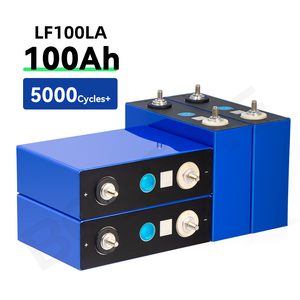
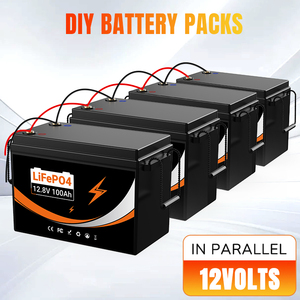
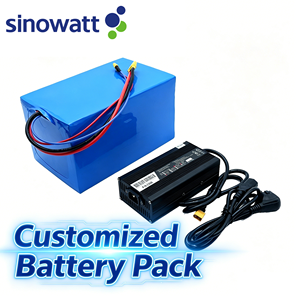
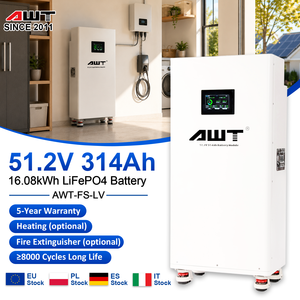
Wireless Sensor Networks (WSNs) deployed across Netherlands require specialized electrochemical configurations to handle long sleep-mode durations coupled with periodic high-current RF transmission pulses (LoRaWAN, NB-IoT, Zigbee, and 5G NR-RedCap).
For un-tethered sensor nodes operating without local energy harvesting, Lithium Thionyl Chloride (Li-SOCl2) offers an unrivaled volumetric energy density (up to 700 Wh/kg) and an ultra-low self-discharge rate of less than 1% per annum.
Our factories incorporate proprietary passivating-layer mitigation techniques, guaranteeing immediate voltage response during periodic high-pulse telemetry transmissions without voltage delay issues.
When paired with micro-solar photovoltaic panels or kinetic energy harvesters, Lithium Iron Phosphate (LiFePO4) and Lithium Titanate (LTO) cells provide exceptional thermal stability and long lifecycle performance.
LTO chemistries support sub-zero charging capability down to -30°C, making them uniquely suited for exposed coastal weather monitoring nodes along the Dutch North Sea shore.
A primary cause of premature WSN node failure is high Battery Management System (BMS) standby drain. Our custom BMS solutions feature ultra-low quiescent currents (< 5 µA).
Integrated short-circuit protection, cell balancing, over-discharge safety cutoffs, and SMBus/I2C telemetry protocols enable real-time state-of-health (SoH) diagnostics for remote monitoring maintenance teams.
| Battery Chemistry | Nominal Cell Voltage | Energy Density (Wh/kg) | Self-Discharge Rate | Operating Temperature | Typical WSN Application Scenario |
|---|---|---|---|---|---|
| Li-SOCl2 (Primary) | 3.6 V | 400 - 700 Wh/kg | < 1% / year | -55°C to +85°C | Gas/Water meters, Underground pipe sensors, Structural monitoring |
| Li-MnO2 (Primary) | 3.0 V | 280 - 400 Wh/kg | < 1.5% / year | -40°C to +70°C | Asset tracking beacons, Smart parking sensors, RF tags |
| LiFePO4 (Rechargeable) | 3.2 V | 120 - 160 Wh/kg | < 3% / month | -20°C to +65°C | Solar-assisted environmental telemetry hubs, Greenhouse IoT controllers |
| LTO (Rechargeable) | 2.3 V | 70 - 110 Wh/kg | < 5% / month | -30°C to +55°C | Sub-zero outdoor sensors, High-cycle industrial equipment telemetry |
The Netherlands' high population density, advanced agricultural tech, extensive delta waterworks, and world-class maritime infrastructure require highly specialized sensor power profiles.
Dutch automated greenhouses rely on thousands of wireless nodes measuring humidity, soil moisture, EC values, and ambient temperature. Our long-life Li-SOCl2 and hybrid micro-solar LiFePO4 packs operate reliably under high humidity (up to 95% RH non-condensing) and elevated ambient temperatures without capacity degradation.
Get a QuoteMonitoring turbine foundation stress, wave parameters, and maritime vessel tracking in the North Sea requires ruggedized power solutions. We engineer IP68 sealed stainless-steel battery assemblies tested to withstand saltwater immersion, intense mechanical vibration, and sub-zero marine spray.
Get a QuoteWith over 26% of the Netherlands lying below sea level, flood barrier reliability is paramount. Our low-self-discharge primary lithium battery packs power subterranean piezometers and wireless pore-pressure sensors embedded in dykes, delivering guaranteed 10+ year operational readiness.
Get a QuoteFrom cold-chain container monitoring at Schiphol Logistics Parks to smart parking networks in Amsterdam, our compact Li-MnO2 button and pouch cell battery packs deliver stable power for continuous BLE, LoRaWAN, and cellular IoT heartbeats.
Get a QuoteNavigating European environmental mandates requires strict alignment with battery lifecycle compliance, safe transport logistics, and eco-friendly manufacturing standardizations.
The Netherlands leads the enforcement of the new European Union Battery Regulation. Our manufacturing plants provide full supply chain traceability, recycled content accounting, and carbon footprint documentation compliant with upcoming Digital Battery Passport requirements.
All our battery shipments entering the Netherlands via Rotterdam Port or Schiphol Airport are fully certified under UN 38.3 (altitude, thermal, vibration, shock, external short circuit, and forced discharge testing), guaranteeing smooth customs clearance and compliant domestic logistics.
Dutch IoT OEMs are increasingly moving toward hybrid power architectures combining ambient light, thermal gradient, or kinetic energy harvesting with secondary rechargeable buffer batteries (LiFePO4/LTO) to eliminate battery replacement visits altogether.
Our engineering team assists Dutch and European OEMs with battery chemistry selection, BMS design, thermal modeling, and compliance certification.
Get a Quote40+ years of precision custom lithium engineering, global cell supplier partnerships, and robust North American & European distribution channels.
Every cell batch undergoes stringent incoming testing (capacity verification, internal resistance, visual inspection) alongside 100% automated end-of-line functional safety checks before export.
We maintain long-standing strategic partnerships with premier global cell manufacturers including Tadiran, Saft, Panasonic, Samsung SDI, Murata, Lishen, Molicel, and FDK to guarantee genuine grade-A chemistry.
With warehousing footholds in Europe, we mitigate global shipping friction, providing Dutch clients with duty-free expedited delivery, flexible safety stock reserves, and streamlined RMA turnaround.
Answers to common questions regarding customs duties, shipping certifications, technical specs, and lifetime calculations for battery procurement in the Netherlands.
Connect with our technical support team today for instant quotations, detailed datasheets, and sample evaluation kits for your Dutch WSN deployment.
Get a Quote