Explore our certified range of custom lithium-ion prismatic cells, high-density LiFePO4 modules, ultra-reliable primary lithium chemistries, and custom BMS battery packs engineered for clinical safety and extended wear duration.
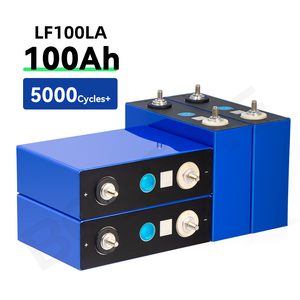
Ultra-stable lithium iron phosphate cell featuring zero thermal runaway risk under mechanical compromise. Ideal for mobile medical carts, clinical diagnostic units, and wearable equipment power hubs in London healthcare setups.
Send an Inquiry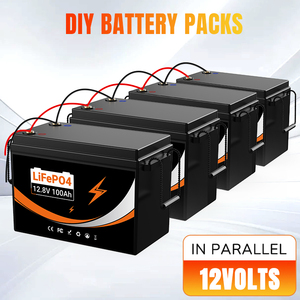
Engineered for seamless integration into hospital field units and mobile clinical telemetry rigs. Delivers continuous, clean direct current with low self-discharge and automated overcurrent protections.
Send an Inquiry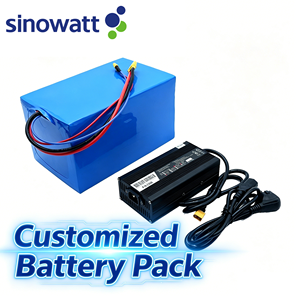
Tailor-made micro battery configurations designed specifically for wearable bio-sensors, body-worn pulse oximeters, and ambulatory holter monitors requiring minimal footprint and zero thermal elevation against human skin.
Send an Inquiry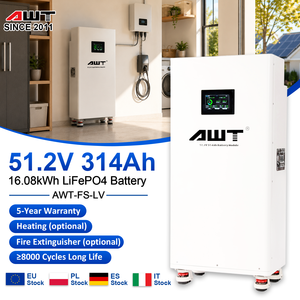
High-capacity lithium backup units providing instant power failover for London medical laboratories, cleanroom processing equipment, and portable life-support telemetry monitoring infrastructure.
Send an Inquiry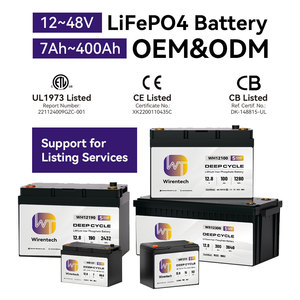
Flexible voltage configuration battery modules built for rehabilitation robotics, wearable medical exoskeletons, and mobile surgical illumination devices needing stable pulse voltage delivery.
Send an Inquiry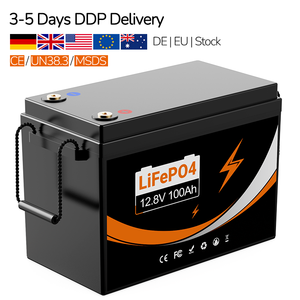
Pre-certified lithium phosphate power modules optimized for fast turnaround deployment into London healthcare facilities, clinical trial monitoring kits, and mobile health testing units.
Send an Inquiry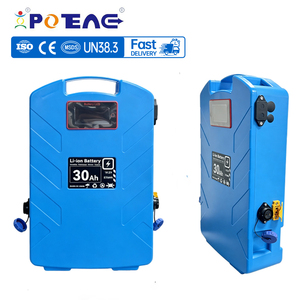
Purpose-built wearable battery pack featuring distributed weight balancing, impact-resistant flame-retardant housing, and smart power telemetry for wearable emergency responder diagnostic gear.
Send an Inquiry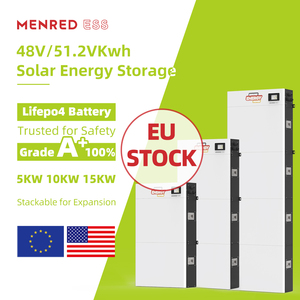
Expandable modular energy storage platform designed for London medical facilities, cold-chain vaccine storage security, and continuous life-support telemetry monitoring networks.
Send an InquiryThe London MedTech ecosystem—anchored by world-renowned clinical research institutions across the Imperial College White City Innovation District, King’s Health Partners, and the Knowledge Quarter in Bloomsbury—is undergoing a profound transformation toward continuous, patient-centric healthcare delivery. As medical devices evolve from static bedside monitors into miniaturized, body-worn smart patches, continuous glucose monitors (CGMs), wearable cardiac telemetry, smart insulin delivery pumps, and neurological bio-sensors, the underlying energy storage architecture must meet uncompromising performance, safety, and regulatory thresholds.
As a specialized wearable medical device battery manufacturer serving London and the wider UK healthcare sector, our engineering team brings over four decades of custom lithium pack integration experience. We leverage advanced cell chemistries—including ultra-thin Lithium Polymer (LiPo), micro-prismatic Lithium Iron Phosphate (LiFePO4), and secondary smart Lithium-Ion—coupled with proprietary Smart Battery Management Systems (BMS) to deliver safe, lightweight, and high-energy-density power modules.
Hermetically sealed encapsulation and low-impedance internal pathways prevent surface heat dissipation, maintaining skin-contact safety in compliance with ISO 10993 cytotoxicity and thermal guidelines.
Integrated SMBus/I2C power management algorithms offering accurate State-of-Charge (SoC), State-of-Health (SoH), and cell balancing for seamless synchronization with hospital NHS telemetry systems.
Dual-level hardware overcharge, overdischarge, short-circuit, and thermal cutoff fuses ensure failsafe operation under catastrophic external component failure.
London represents one of Europe's densest concentrations of clinical trials, NHS trust hospitals, and digital health startups. Wearable medical devices engineered in the capital require specific battery configurations dependent on clinical environment, patient mobility, and wireless data frequency.
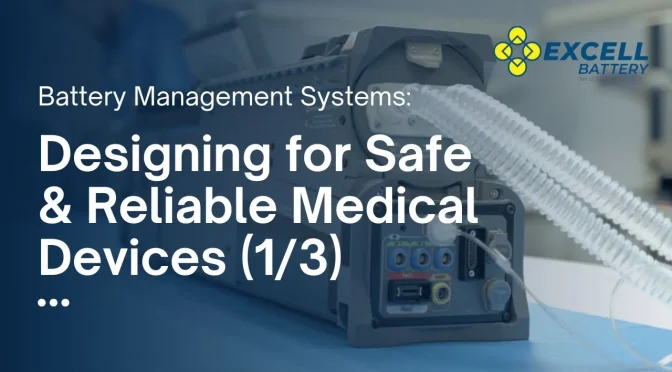
In London NHS trusts such as St Thomas' and Guy's Hospital, wearable continuous cardiac patches monitor cardiac arrhythmia across multi-day ambulatory periods. Our micro Lithium-Polymer battery packs provide lightweight (under 12 grams), flexible geometry with ultra-stable voltage discharge to eliminate signal artifacts during continuous ECG sampling.

Wearable diabetes management devices require micro-batteries capable of supporting both continuous baseline micro-power (3-5 µA) and sudden motor-drive or Bluetooth telemetry current bursts (up to 150 mA). Our custom cell chemistries feature exceptionally low equivalent series resistance (ESR) for predictable power delivery.
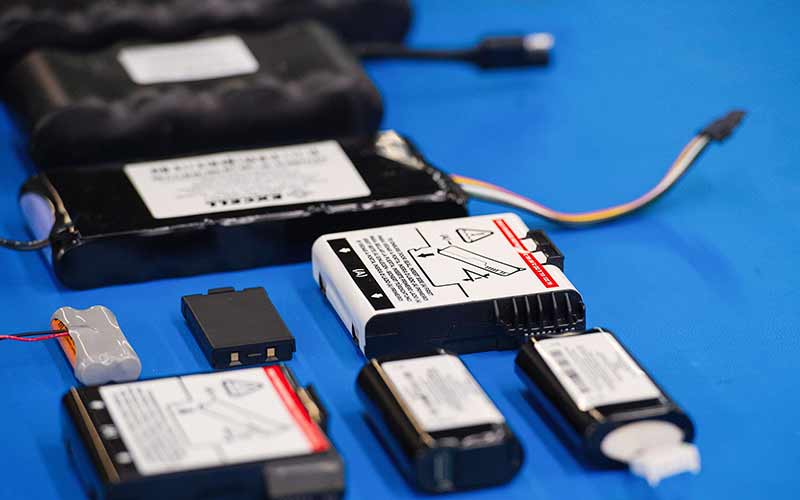
Advanced neurological recovery centers across London utilize body-worn robotic gait assistance gear. These heavy-duty wearable systems demand high C-rate discharge LiFePO4 battery modules equipped with shock-absorbing mechanical enclosures and ruggedized vibration resistance.
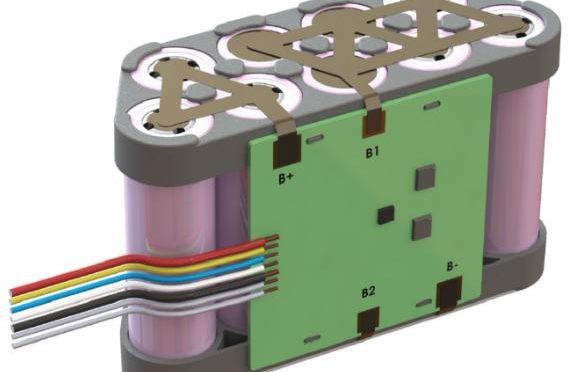
Body-worn telemetry for London Ambulance Service and emergency response units requires ruggedized, wide-temperature (-20°C to +60°C) primary and secondary lithium battery packs that function flawlessly under extreme environmental stress and rain exposure.
Navigating the landscape of UK medical device manufacturing requires an acute understanding of shifting regulatory mandates, technological advances, and procurement expectations post-MHRA regulatory updates and UKCA marking guidelines.
| Battery Chemistry | Nominal Voltage | Energy Density (Wh/kg) | Cycle Life (80% DoD) | Thermal Safety Profile | Optimal London MedTech Use-Case |
|---|---|---|---|---|---|
| Lithium Polymer (Li-Po) Custom Micro-Pack | 3.7V - 3.85V | 220 - 280 Wh/kg | 500 - 1000 Cycles | Requires NTC thermal monitoring; precise skin-safe cutoff | Ultra-compact wearable patches, continuous glucose monitors, body-worn sensors |
| Lithium Iron Phosphate (LiFePO4) Prismatic | 3.2V - 3.3V | 140 - 170 Wh/kg | 3000 - 5000+ Cycles | Inherently safe; zero thermal runaway up to 200°C | Mobile medical carts, wearable exoskeleton suits, heavy-duty clinical telemetry |
| Primary Li-SOCl2 / Li-MnO2 (Non-Rechargeable) | 3.0V - 3.6V | 400 - 650 Wh/kg | Single-Use (Up to 10 Yrs Shelf) | Extremely stable; hermetic laser-sealed stainless housing | Long-term surgical implants, disposable diagnostic patches, remote patient trackers |
| High-Rate Li-ion NMC (Pouch / Cylindrical) | 3.6V - 3.7V | 200 - 250 Wh/kg | 800 - 1200 Cycles | Standard thermal protection required | Portable oxygen concentrators, surgical power tools, motorized pumps |
Building on over 40 years of pioneering battery system design and backed by the global manufacturing capabilities of Ultralife Corporation, our organization delivers unmatched security of supply, regulatory compliance expertise, and technical depth for UK healthcare OEMs.
Our quality management systems adhere strictly to international medical device standards, providing full component lot traceability, automated end-of-line testing, and complete compliance documentation for MHRA and UKCA filing.
With dual North American production hubs, European logistics support, and audited global cell tier-1 partnerships (including Panasonic, Saft, Tadiran, and Molicel), we safeguard London OEMs against single-source disruption.
Our proprietary Criterion™ BMS platform integrates hardware-level fuel gauging, custom communication protocols (SMBus, I2C, HDQ), and automated safety shutdown for clinical-grade reliability.
Address critical engineering queries, UN 38.3 transport regulations, UKCA compliance standards, and custom battery prototyping workflows.
Wearable medical device batteries destined for the UK market must comply with IEC 62133-2 (for secondary lithium cells), UN 38.3 (for safe air and ground transportation), and IEC 60601-1 (electrical safety and surface thermal limits for medical equipment). Furthermore, post-Brexit regulatory requirements mandate that medical devices bear the UKCA mark (or recognized CE mark during transition periods), supported by complete technical files under ISO 13485 quality control.
We implement a multi-layered thermal control strategy. First, we select ultra-low internal impedance cells to minimize Joule heating during discharge. Second, our custom BMS incorporates high-precision NTC thermistors directly coupled to internal cell junctions, instantly throttling or cutting off current if temperatures approach 40°C. Finally, we use biocompatible, low-thermal-conductivity housing materials (compliant with ISO 10993 cytotoxicity standards) to ensure zero skin discomfort or thermal hazard.
Yes. Our rapid engineering design process supports London hardware teams from concept design through 3D CAD modeling, custom PCB assembly for BMS prototype validation, initial sample batch fabrication, and UN 38.3 compliance testing. Prototype turnarounds typically range from 4 to 8 weeks depending on custom tooling requirements.
Primary (non-rechargeable) chemistries, such as Lithium Manganese Dioxide (Li-MnO2), offer significantly higher volumetric energy density and minimal self-discharge (under 1% per year), making them ideal for single-use, disposable medical patches or long-term clinical trial monitors. Secondary (rechargeable) Lithium-Polymer or LiFePO4 cells are preferred for reusable wearable devices (e.g., smart watches, rechargeable ECG monitors, exoskeletons) where frequent daily or weekly recharging cycles are required.
Our Criterion™ smart BMS solutions utilize standard medical communications buses (I2C, SMBus, SPI) running SBS-compliant data protocols. This enables the wearable device host processor to query accurate State-of-Charge (SoC %), State-of-Health (SoH), remaining runtime, cycle count, and fault logs in real time, transmitting critical operational data via BLE or Wi-Fi directly to hospital telemetry servers or patient mobile apps.
Whether you are engineering a continuous glucose monitor, an ambulatory cardiac telemetry patch, or a body-worn rehabilitation device, our application engineers are standing by to review your power specifications and deliver a certified custom battery pack.