
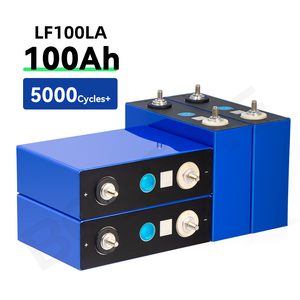
Grade A 5000 Cycles 3.2V 100Ah LFP Prismatic Cells Lithium Battery
3.2V / 12V / 24V / 48V
5000+ Cycles
Sub-Zero BMS
RVs & Off-Grid
Send an Inquiry
Explore our certified LiFePO4 prismatic cell battery packs equipped with intelligent low-temperature BMS pre-heating circuitry for seamless operation under extreme conditions.
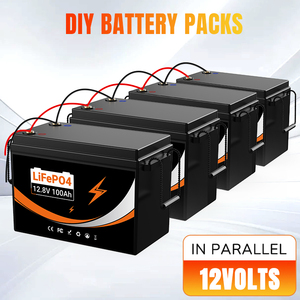
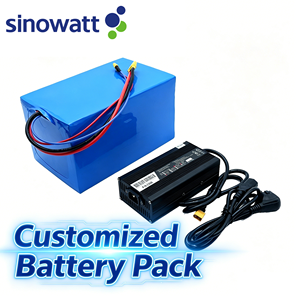
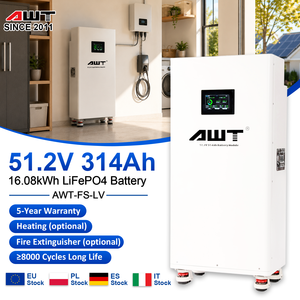
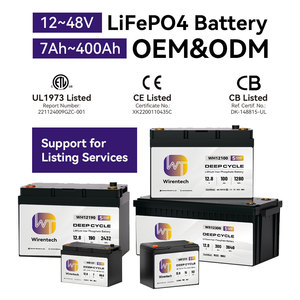
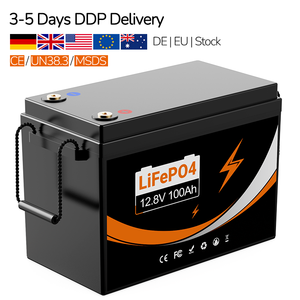
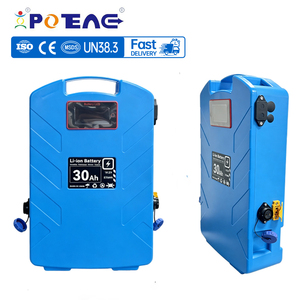
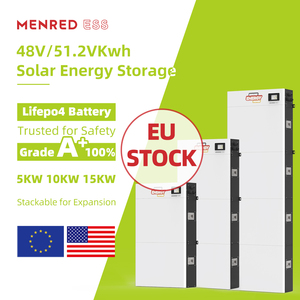
While the Philippine archipelago is geographically situated within a tropical maritime zone, modern industrial developments have engineered environments where standard energy storage solutions routinely fail. From the expansive cold-chain food distribution hubs in Metro Manila, Metro Cebu, and General Santos City to high-altitude telecommunication towers in the Cordillera Administrative Region (Baguio, Benguet) and maritime deep-freeze tuna harvesting fleets in the Sulu and Celebes Seas, the operational necessity for high-performance sub-zero operating lithium batteries has reached an all-time high.
Conventional Lithium Iron Phosphate (LiFePO4) and Nickel Manganese Cobalt (NMC) battery chemistries experience severe kinetic degradation when exposed to low temperatures. Below 0°C, internal electrochemical resistance surges, lithium-ion diffusion rates within the graphite anode plummet, and standard Battery Management Systems (BMS) shut down charging mechanisms to prevent irreversible lithium plating and catastrophic thermal runaway. As B2B procurement director, solar EPC contractor, or industrial system integrator in the Philippines market, sourcing directly from a direct China Sub-Zero Operating Lithium Battery Manufacturer provides the critical engineering customizability, price-to-performance ratio, and supply chain resilience required for uncompromised reliability.
Automated Guided Vehicles (AGVs), electric forklifts, and temperature monitoring sensors operating continuously inside -25°C blast freezers require battery packs with zero thermal hysteresis and rapid flash-heating capability.
Mountainous base transceiver stations (BTS) experience intense night-time temperature drops and high humidity. Sub-zero chemistry prevents voltage drop failures during critical broadcast windows.
Commercial fishing vessels navigating Philippine waters store cargo in brine freezers reaching -30°C. Sub-zero auxiliary lithium packs sustain continuous fish-hold telemetry and emergency power backup.
Achieving reliable power discharge down to -40°C and safe charge acceptance down to -20°C requires structural innovations at both the atomic cell level and the macro system level. Standard batteries utilize high-viscosity electrolytes that freeze or turn sluggish under sub-zero conditions, starving the cathode-anode interface of charge carriers. China's top tier lithium manufacturers solve this through three core technical innovations:
By introducing specialized co-solvents such as Ethyl Acetate (EA) or Methyl Propionate (MP) alongside custom fluoroethylene carbonate (FEC) film-forming additives, the electrolyte maintains fluid kinetic mobility and low charge-transfer resistance (Rct) even under freezing conditions.
Our sub-zero battery packs feature built-in ultra-thin Positive Temperature Coefficient (PTC) heating blankets. When an external charger is connected in sub-zero environments, the smart BMS directs incoming energy to heat the battery core to +5°C before allowing current flow into the cells—completely eliminating the risk of destructive lithium dendrite formation.
Surfaces of the graphite anode are coated with amorphous carbon layers or silicon-graphene composites to shorten the diffusion path length of Li+ ions, boosting low-temperature rate capability by over 300% compared to standard commercial cells.
Comprehensive evaluation of battery chemistries under sub-zero operating conditions in extreme applications.
| Performance Metric | Standard Lead-Acid (AGM/GEL) | Standard Commercial LiFePO4 | Engineered China Sub-Zero LiFePO4 |
|---|---|---|---|
| Discharge Capacity @ -20°C | 45% - 50% capacity retention | 55% - 60% capacity retention | 85% - 90% capacity retention |
| Safe Charge Temp Range | -15°C to +45°C (High gassing) | 0°C to +45°C (BMS Lockout below 0°C) | -30°C to +55°C (With Auto-Preheat) |
| Cycle Life (80% DoD) | 300 - 500 Cycles | 2000 - 3000 Cycles | 5000 - 6000+ Cycles |
| Lithium Plating Risk | N/A (Sulfation risk instead) | High if charged below 0°C | Zero (BMS Hardware Protected) |
| Gravimetric Energy Density | 35 - 45 Wh/kg | 130 - 150 Wh/kg | 160 - 185 Wh/kg |
The Philippines is undergoing a historic infrastructure transformation driven by green energy mandates, modernization of agricultural cold storage chains, and rapid expansion of industrial automation. Understanding these macro trends allows Philippine enterprise buyers to stay ahead of procurement bottlenecks:
With the Philippine government heavily incentivizing local agricultural cold chain hubs (under the BOI Strategic Investment Priority Plan), regional logistics operators in Luzon and Mindanao are replacing lead-acid battery fleets with low-temperature sub-zero LiFePO4 packs to reduce electricity overhead and withstand constant blast-freezer operations.
Major telecom providers (Globe, Smart, DITO) are hybridizing off-grid towers across off-shore island groups and mountainous terrains. Sub-zero operating batteries guarantee round-the-clock power availability despite intense diurnal temperature shifts and extreme humidity.
The Philippines' vast maritime commercial fleet requires reliable battery systems capable of operating alongside onboard freezing units (-30°C) without losing voltage fidelity for navigation radar, telemetry, and automated fish processing units.
As an established OEM/ODM battery manufacturer certified under ISO 9001:2015, our engineering enterprise integrates tier-1 cell chemistry (Tadiran, Saft, Panasonic, CATL, EVE) with proprietary Smart BMS architectures. Our custom solutions are engineered for long life cycles, safety, and compliance with rigorous international safety standards including UN 38.3, CE, IEC 62133, and HAZLOC/ATEX explosion-proof certifications.
Direct factory partnership with top cell manufacturers ensures guaranteed cell matching, low internal impedance, and strict batch consistency.
In-house hardware & software design featuring CAN Bus, RS485, Bluetooth telemetry, and active cell balancing calibrated specifically for sub-zero profiles.
Every batch undergoes 100% full-load aging tests, thermal shock simulation (-40°C to +65°C), vibration testing, and drop verification before shipping.
At temperatures below 0°C, the intercalation rate of lithium ions into the graphite anode slows drastically. Forcing charge current into a frozen standard cell causes lithium ions to deposit on the anode surface as metallic lithium (lithium plating). This permanently reduces capacity, causes internal micro-short circuits, and presents severe fire risks. Our sub-zero packs utilize smart BMS pre-heating technology to warm cells safely before current injection.
For standard modular packs, maritime freight lead times from our main factory to South Harbor Manila or Cebu International Port typically range from 7 to 12 days. For custom engineered OEM battery packs, prototype approval takes 2–3 weeks, followed by mass production (3 weeks) and DG (Dangerous Goods) sea shipping with full UN38.3 certification documentation.
Yes! Our sub-zero lithium battery series is engineered for an ultra-wide operational thermal window (-40°C to +60°C). The wide-temperature electrolyte and robust thermal management enclosure allow smooth transitions from scorching hot Philippine port roads to sub-zero blast freezer facilities without thermal degradation or swelling.
Our intelligent BMS supports multi-protocol communication (CANbus 2.0B, RS485, RS232) and comes pre-programed with native handshake protocols compatible with leading global inverter brands used across the Philippines, allowing seamless plug-and-play communication for state-of-charge (SoC), voltage limits, and low-temp protection.
We offer end-to-end custom battery engineering including custom voltage/capacity configurations (12V to 800V, 10Ah to 1000Ah), physical casing customization (IP67 stainless steel, aluminum powder-coated, or high-impact ABS), custom BMS programming, custom wiring harnesses, integrated PTC self-heating, and localized branding/labeling.
Consult directly with our senior battery application engineers. Receive custom technical drawings, low-temperature discharge simulation reports, and direct factory wholesale pricing for your project in the Philippines.