1. The Energy Landscape in Bangladesh: Why Modular Lithium Systems are Vital
Bangladesh’s rapid economic expansion—driven by its world-leading Ready-Made Garments (RMG) sector, expanding pharmaceutical hubs, and surging digitisation—has outpaced traditional electrical grid stabilization capabilities. While grid coverage across the Bangladesh Power Development Board (BPDB) and Rural Electrification Board (REB) networks has expanded, grid reliability remains a primary operational challenge. Frequency fluctuations, voltage sags, and load-shedding during peak summer months necessitate robust, instant-response energy storage.
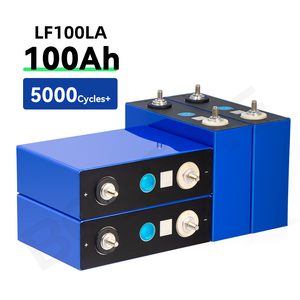
Information Gain Insight: Traditional Lead-Acid (Tubular / VRLA / Gel) batteries deployed across Bangladeshi factories degrade rapidly due to ambient heat surpassing 35°C–40°C, suffering high self-discharge and requiring replacement every 18 to 24 months. Modern Modular LiFePO4 systems deliver 6,000+ operational cycles, reducing total cost of ownership (TCO) by over 58% across a 10-year service life.
Furthermore, Bangladesh's Sustainable and Renewable Energy Development Authority (SREDA) has mandated ambitious renewable energy targets to reduce national dependence on imported liquid fuels. The integration of commercial rooftop solar systems with high-density modular Lithium Iron Phosphate (LiFePO4) storage serves as the technological foundation for industrial clean-energy transitions across Dhaka, Narayanganj, Gazipur, and Chittagong economic zones.
2. Comparative Analysis: Modular Lithium Storage vs. Legacy Battery Technologies
When selecting modular energy storage systems for industrial and commercial deployment in Bangladesh, engineering procurement managers must evaluate chemical longevity, round-trip efficiency (RTE), footprint limitations, and thermal management metrics.
| Performance Parameters |
Modular LiFePO4 Systems |
Tubular Lead-Acid |
VRLA / AGM Battery |
| Cycle Life (80% DOD) |
5,000 – 7,000+ Cycles |
1,200 – 1,500 Cycles |
600 – 800 Cycles |
| Round-Trip Efficiency (RTE) |
95% – 98% |
75% – 80% |
70% – 75% |
| Charge Acceptance Speed |
1C Fast Charge (100% in 1 hr) |
0.1C Slow Charge (8–10 hrs) |
0.15C Charge (6–8 hrs) |
| Thermal Tolerance Limit |
Up to +60°C (Active BMS) |
Suffer thermal runway >35°C |
Sulfation accelerates >30°C |
| Volumetric Energy Density |
High (140–170 Wh/kg) |
Very Low (30–40 Wh/kg) |
Low (35–45 Wh/kg) |
| Maintenance Required |
Zero Water / Acid Top-Up |
Frequent Distilled Water Filling |
Sealed / Periodic Testing |
3. Key Localized Application Scenarios Across Bangladesh
3.1. Ready-Made Garments (RMG) & Textile Manufacturing Lines
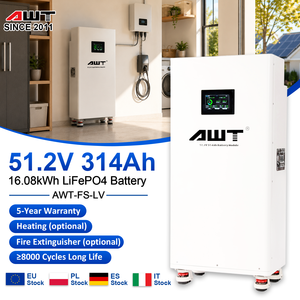
Automated cutting machines, computerized sewing setups, and dyeing lines cannot endure micro-outages or voltage sags. A sudden drop in power causes fabric waste, machine re-calibration delays, and missed international shipment deadlines. Our modular stacked and rack-mounted lithium storage arrays pair seamlessly with heavy industrial online UPS units, providing millisecond-level backup power to keep production lines running continuously.
3.2. Telecommunication Tower Backup (Grameenphone, Robi, Banglalink, Teletalk)
Off-grid and weak-grid telecom base transceiver stations (BTS) situated in remote riverine areas (Char regions) or coastal belts rely heavily on autonomous battery banks. Compact 48V 100Ah / 200Ah server rack LiFePO4 modules reduce space footprint inside shelter cabinets, withstand humid saline air, and integrate smart SNMP protocols for centralized network operating center (NOC) oversight in Dhaka.
3.3. Solar Mini-Grids & Off-Grid Island Electrification
Island communities such as Bhola, Sandwip, and Saint Martin’s Island rely on decentralized solar mini-grids managed by infrastructure development entities (IDCOL). Modular 100kWh–500kWh lithium battery containers collect surplus afternoon solar yields and discharge efficiently through peak evening hours, supporting local commerce, refrigeration, and health clinics.
4. Strategic Guidance for Importing Lithium Battery Systems into Bangladesh
Procurement teams must navigate specific regulatory guidelines set forth by the National Board of Revenue (NBR) and the Bangladesh Standards and Testing Institution (BSTI):
- Harmonized System (HS) Code Selection: Lithium-ion systems generally fall under HS Code
8507.60.00. Ensuring accurate documentation prevents customs clearance delays at Chittagong Port or Hazrat Shahjalal International Airport (Dhaka ICD).
- Safety Compliance & Certifications: Shipments must be accompanied by UN 38.3 test reports, Material Safety Data Sheets (MSDS), IEC 62619 industrial safety certificates, and CE certifications.
- Smart BMS & Freight Safety: Air freight requires cells to be shipped at a state-of-charge (SOC) under 30%, whereas ocean freight in reefer or dry containers allows customized transit conditions provided string-level isolation switches are activated.