Thailand’s rapid industrial expansion under the Eastern Economic Corridor (EEC) initiative, combined with the government's aggressive National EV 30@30 Policy, has triggered unprecedented demand for robust high-temperature energy storage solutions. Operating electrochemical systems in Southeast Asia presents severe thermodynamic challenges: ambient temperatures in industrial hubs such as Rayong, Chonburi, and Ayutthaya frequently exceed 40°C during peak summer months, with relative humidity topping 90%.
Standard commercial lithium-ion batteries suffer rapid thermal degradation under these tropical conditions. High ambient heat accelerates the decomposition of the Solid Electrolyte Interphase (SEI) layer, increases internal resistance (ESR), triggers electrolyte evaporation, and exponentially increases the risk of thermal runaway. To overcome these failure modes, engineering teams require specialized High-Temperature Lithium Iron Phosphate (LiFePO4) chemistry paired with advanced multi-stage Battery Management Systems (BMS), phase-change thermal barriers, and heavy-duty IP67 moisture-resistant enclosures.
This whitepaper evaluates the Top 10 High-Temperature Battery Solutions Suppliers and Exporters serving Thailand, detailing OEM cell selection, BMS thermal throttling protocols, custom pack integration, and local TISI compliance strategies for tropical B2B deployments.
Direct-from-factory lithium solutions featuring Grade-A cells, intelligent thermal BMS, extended cycle lifespans, and export-grade international shipping certifications.
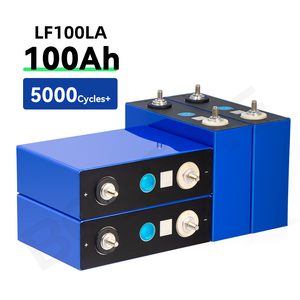 Grade A Prismatic
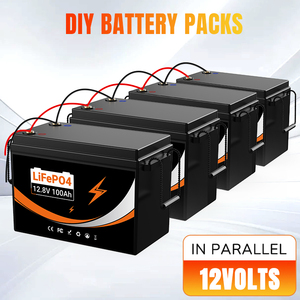 High Capacity Pack
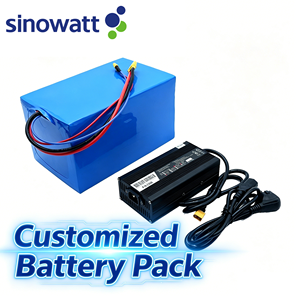 Custom OEM Pack
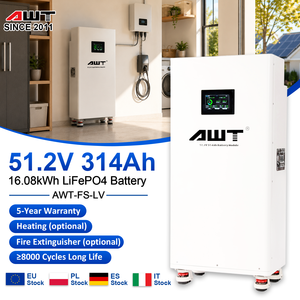 15kWh - 16kWh ESS
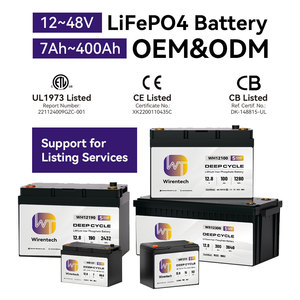 Marine & Golf Cart
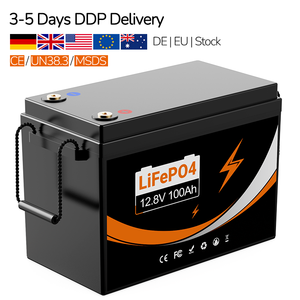 Modular Storage
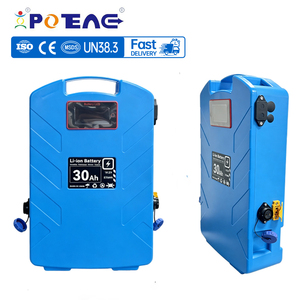 Portable Rugged
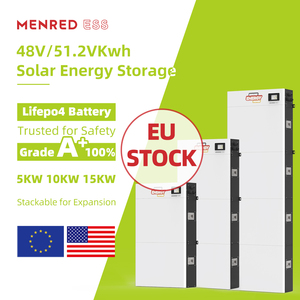 5kW - 50kW Stacked
Selecting the appropriate lithium electrochemistry for Thailand’s tropical thermal profile requires balancing volumetric energy density against thermal run-away activation thresholds. Below is a comparative breakdown of key battery chemistries subjected to elevated ambient operating conditions (35°C to 65°C).
| Battery Chemistry | Thermal Runaway Temp | Cycle Life @ 45°C Ambient | Safety Level in Heat | Optimal Thailand Applications |
|---|---|---|---|---|
| High-Temp LiFePO4 (LFP) | 270°C | >4,500 Cycles | Highest (Exothermic stable) | Solar BESS, Industrial Parks, RVs, Telecom |
| Lithium Thionyl Chloride (Li-SOCl2) | 200°C (Up to 150°C operating) | Primary (Non-rechargeable) | Extreme High-Temp Primary | Oil & Gas Downhole, Pipeline Inspection Sensors |
| Standard NMC (Ternary) | 150°C - 210°C | 1,200 Cycles (Severe degradation) | Moderate (Requires active chillers) | Lightweight EVs (Strict liquid cooling mandatory) |
| LTO (Lithium Titanate) | 300°C+ | >15,000 Cycles | Ultra-High | Heavy Machinery, Tropical Railway Signals |
As demonstrated in empirical testing, LiFePO4 (Lithium Iron Phosphate) remains the absolute benchmark for general high-temperature B2B deployments in Thailand. The P-O covalent chemical bonds in the olivine crystal structure prevent oxygen liberation even under thermal abuse, rendering thermal runaway virtually impossible under standard high-ambient operating parameters.
How top-tier high-temperature battery solutions are driving reliability across key economic zones, from Rayong industrial estates to remote islands in Southern Thailand.
Manufacturing plants in Chonburi and Rayong deploy 48V 300Ah and 50kW stacked LiFePO4 battery banks paired with rooftop solar arrays. These systems shave peak electricity tariffs while enduring indoor warehouse temperatures exceeding 42°C without thermal degradation.
Off-grid and backup power stations in Southern Thailand (Phuket, Krabi, Surat Thani) utilize IP67-rated sealed 48V 100Ah battery modules designed to resist salt spray corrosion, intense humidity, and continuous ambient ambient heat.
Central Thailand agricultural automation projects rely on 19.2V and 24V customized high-temp LiFePO4 packs to run automated drip irrigation, soil monitoring telemetry sensors, and autonomous drone charging stations under direct tropical sunlight.
Thailand’s energy landscape is undergoing a massive transformation driven by the Power Development Plan (PDP) and the Thai Industrial Standards Institute (TISI) regulations. Foreign B2B procurement managers and Thai importers must consider several key regulatory and market factors when selecting a battery exporter:
We combine over 40 years of precision battery engineering lineage with global supply chain access to deliver ultra-reliable energy solutions for the Thai market.
Every single cell undergoes 100% internal resistance (IR), voltage grading, and thermal aging chamber testing prior to pack integration, ensuring zero initial defect rates upon arrival in Thailand port.
Our proprietary BMS hardware features multi-point thermal sensors, real-time cell balancing, dynamic current throttling, and remote IoT Bluetooth/RS485 cloud monitoring for preventive maintenance.
We maintain direct OEM cell supply agreements with world-leading manufacturers including CATL, EVE, Panasonic, Tadiran, and Saft, guaranteeing authentic Grade-A cells with full batch traceability.