Engineered with Tier-1 prismatic cells, active thermal management, and intelligent BMS to withstand intense vibration and high ambient heat across Brazilian transport corridors.
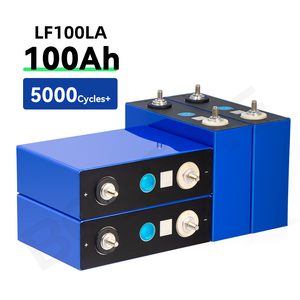
Designed for heavy-duty commercial fleets and dual 12V/24V/48V conversions requiring high cycle retention and thermal stability.
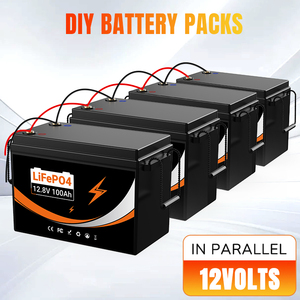
Modular heavy fleet auxiliary power system with Grade A cells, providing scalable 100kWh+ fleet back-up energy integration.
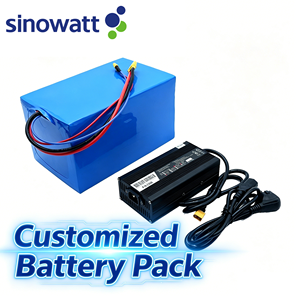
Tailored fleet power module with integrated smart BMS, built to OEM specifications for specialized EV utility vehicles.
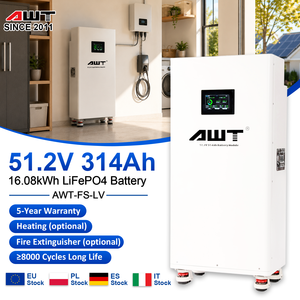
15kWh to 16kWh stationary buffer battery module designed to support fast-charging infrastructure for EV commercial fleets.
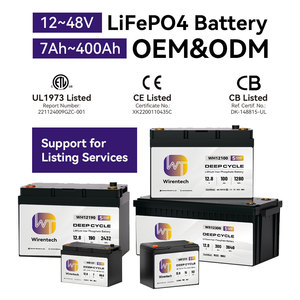
Multi-voltage (12V/24V/36V/48V) high-discharge battery pack optimized for last-mile delivery trikes and urban utility fleets.
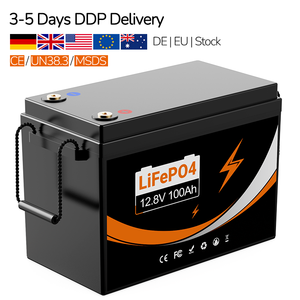
High-vibration resistant battery pack designed for industrial transport, agricultural machinery, and heavy logistics trucks.
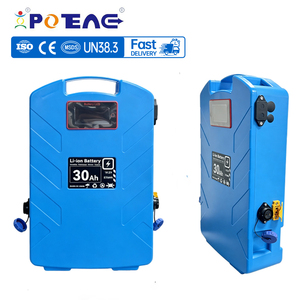
Portable high-capacity lithium iron phosphate pack built for field operations, mobile fleet telemetry, and rescue gear.
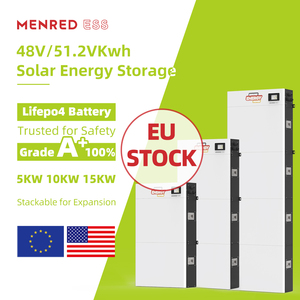
Scalable microgrid battery solution for EV depot charging stations, ensuring grid independence and peak shaving capability.
Brazil stands at the inflection point of a transportation revolution. As Latin America’s largest commercial vehicle market, the nationwide push toward fleet electrification is driven by stringent regulatory frameworks like the Mover Program (Mobilidade Verde e Inovação), rising diesel expenditure, and aggressive corporate ESG mandates from major logistics operators (such as Mercado Livre, Loggi, and Magazine Luiza). However, deploying smart fleet electric vehicles (EVs) across Brazilian topography presents unique engineering challenges that off-the-shelf lithium battery packs fail to address.
Operating commercial e-vans, heavy-duty e-trucks, and electric buses in regions like São Paulo, Rio de Janeiro, Minas Gerais, and Mato Grosso demands battery systems capable of resisting extreme thermal stress, enduring severe road vibration, and integrating seamlessly with cloud-based fleet management telematics. As a premier global manufacturer and exporter, we deliver tailored lithium iron phosphate (LiFePO4) and nickel manganese cobalt (NMC) battery packs engineered specifically for Brazil’s operational landscape.
Stop-and-go metropolitan traffic in São Paulo requires high-rate discharge tolerance and fast-charging capability during short driver breaks. Our smart LiFePO4 packs support 1C to 2C rapid charging, enabling e-vans to execute double shifts without thermal degradation.
Hauling heavy loads across steep gradients in mining sectors demands high peak power output and heavy shock mitigation. We integrate structural battery packs with reinforced aluminum enclosures rated to 3G mechanical shock standards.
Hauling agricultural goods over unpaved interior roads exposes battery packs to extreme dust, mud, and continuous vibration. Our IP68 sealed battery enclosures with active desiccant valves prevent moisture intrusion and internal corrosion.
| Performance Metric | Standard OEM Lithium Battery | Our Tropicalized Smart EV Fleet Battery | Impact on Brazilian Fleet Operations |
|---|---|---|---|
| Cycle Life (@ 80% DOD) | 2,000 - 2,500 Cycles | 5,000 - 6,000+ Cycles | Extends operational battery lifespan up to 8-10 years, dramatically reducing Total Cost of Ownership (TCO). |
| Thermal Endurance | Derates at >35°C | Continuous operation up to 55°C | Eliminates thermal shutdown during intense summer heatwaves in Northern and Central Brazil. |
| Ingress Protection | IP65 Rating | IP67 / IP68 Dual Sealed | Guarantees protection against torrential tropical downpours and flooded urban streets. |
| Telematics Integration | Basic CAN 2.0B | SAE J1939 + IoT Cloud Telematics | Real-time remote monitoring of SOC, SOH, and cell-level temperature via Brazilian cellular networks (4G/5G). |
| Vibration Tolerance | Standard Automotive (1G) | Heavy Industrial (ISO 16750-3 3G) | Prevents cell tab fatigue and weld fracturing on unpaved Brazilian highways (BR-163). |
Importing commercial EV battery systems into Brazil requires strict adherence to local safety and communications regulations. Our battery manufacturing process complies with INMETRO Ordinance 200/2021 safety testing protocol for secondary lithium cells. Additionally, our integrated smart BMS telematics modules utilize ANATEL-certified cellular transceivers, ensuring hassle-free custom clearance through Brazilian ports such as Santos and Paranaguá.
Navigating Brazil's complex tax structure (including Ex-Tarifário tax relief programs and Mercosur TEC regulations) is vital for B2B fleet buyers. By shipping modular semi-knocked-down (SKD) battery configurations or utilizing targeted HS codes (such as HS 8507.60.00 for lithium-ion accumulators), we help Brazilian fleet importers reduce landed import duties while maintaining complete factory warranty protection.
Every cell undergoes rigorous capacity sorting, internal resistance matching, and automated ultrasonic wedge bonding to eliminate single-point electrical failures.
Our dynamic active balancing BMS equalizes cell voltage during both charge and discharge cycles, preventing cell premature aging and maximizing usable energy capacity.
With strategic manufacturing sites and audited Tier-1 raw material partnerships (Tadiran, Saft, Panasonic, Molicel, CATL), we ensure continuous lead-time reliability for South American procurement managers.
Our battery packs feature integrated liquid cooling plates or phase-change thermal interface materials coupled with an active thermal management system. When ambient temperatures exceed 40°C, the intelligent BMS regulates charge currents and activates thermal dissipation loops, maintaining cell core temperatures within the safe operational window of 25°C to 35°C to prevent thermal runaway and capacity degradation.
We provide a comprehensive documentation package for every export shipment to Brazil, including UN 38.3 test summaries, MSDS, IEC 62619 certificates, and factory audit reports required for INMETRO homologation. Our logistics specialists coordinate directly with your customs broker in Santos or Rio de Janeiro to expedite clearance.
Yes. Our smart BMS supports standard CANbus communication protocols (CAN 2.0B, SAE J1939) as well as cellular IoT gateways (4G/5G). We supply open API documentation and JSON data streams, allowing seamless integration with telematics platforms like Omnilink, Sascar, and Cobli for real-time fleet diagnostics across Brazil.
Standard engineering prototypes are delivered within 4 to 6 weeks. Mass production orders typically require 6 to 8 weeks for manufacturing and testing, followed by 25 to 35 days ocean freight transit from our factories to the Port of Santos or Paranaguá. Air freight options are available for urgent field replacement components.
While NMC offers slightly higher volumetric energy density, LiFePO4 (Lithium Iron Phosphate) delivers superior thermal stability, significantly higher cycle life (5,000+ vs. 2,000 cycles), and enhanced safety against punctures or crash impacts. For heavy commercial fleets operating in warm climates, LiFePO4 offers a substantially lower cost per kilometer over the vehicle’s operating lifespan.
We offer up to a 5-year standard operational warranty on commercial EV battery packs. In the event of a field anomaly, our remote telemetry system allows our engineering team to diagnose issues remotely. Replacement modules and spare BMS boards are maintained in regional partner distribution centers to minimize vehicle downtime.
Partner with an ISO 9001 certified global manufacturer. Contact our battery engineering team today to request a custom technical proposal, cell datasheet, or landed quotation for your fleet project.