As the Kingdom of Saudi Arabia accelerates its economic transformation under Saudi Vision 2030 and the National Industrial Development and Logistics Program (NIDLP), Riyadh has emerged as the premier epicenter for advanced robotics, autonomous logistics, and intelligent industrial automation in the Middle East. From automated fulfillment complexes in the King Salman International Airport Logistics Zone to robotic inspection deployments in oil, gas, and renewable energy sites, the demand for high-reliability, custom-engineered battery systems has reached an unprecedented volume.
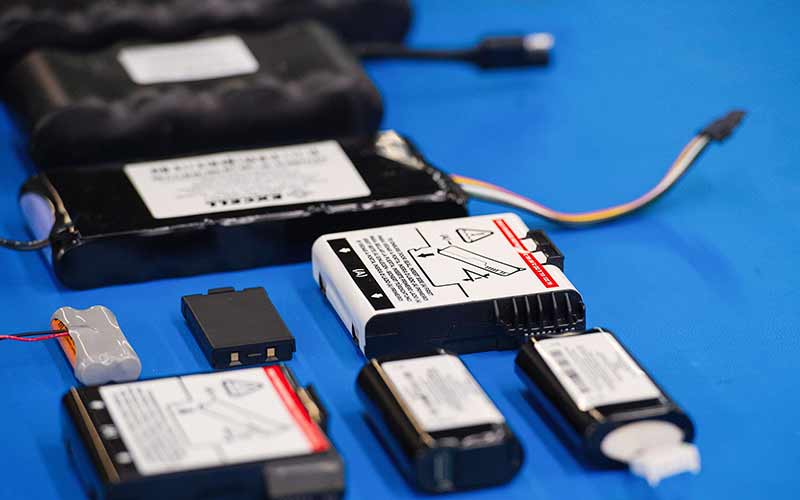
However, operating autonomous mobile robots (AMRs), automated guided vehicles (AGVs), unmanned aerial systems (UAS), and robotic arm manipulators within Riyadh’s unique environmental footprint presents severe engineering challenges. Standard off-the-shelf lithium batteries rapidly succumb to early thermal degradation, excessive internal resistance growth, BMS thermal cut-offs, and dust/sand ingress. Engineering custom battery solutions that combine high volumetric energy density with extreme temperature resiliency (+55°C to +60°C operational upper bounds) is no longer optional—it is the prerequisite for operational uptime.