Explore our engineered lithium battery systems optimized for Hellenic solar microgrids, off-grid island resort backups, high-capacity commercial energy storage, and industrial telecom setups.
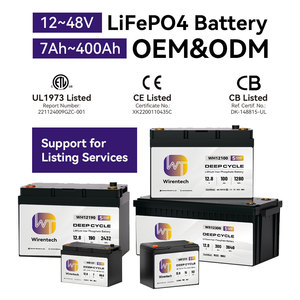
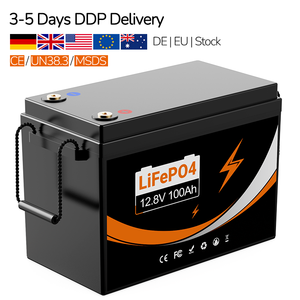
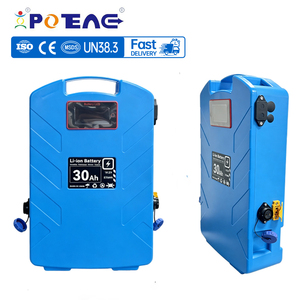
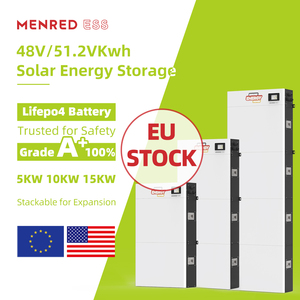
The Greek electricity landscape is undergoing a systemic structural transition. Driven by the ambitious targets outlined in Greece’s National Energy and Climate Plan (NECP / ΕΣΕΚ), which mandates targeting over 4.3 GW of utility-scale and decentralized energy storage capacity by 2030, microgrid energy storage solutions (BESS) have transitioned from optional resilience assets to vital grid infrastructure. For electrical engineers, Independent Power Producers (IPPs), Engineering Procurement Construction (EPC) contractors, and commercial resort developers operating across the Hellenic republic, selecting the right battery manufacturer requires deep alignment with localized environmental, grid-code, and geopolitical operating parameters.
Greece encompasses over 30 Non-Interconnected Island (NII) electrical systems managed under specialized operational regimes by the Hellenic Electricity Distribution Network Operator (HEDNO / DEDDIE). These isolated island grids rely historically on expensive imported heavy fuel oil (HFO) or diesel generation. High solar irradiance (exceeding 1,800 kWh/kWp/year in regions like Crete, Rhodes, and the Cyclades) combined with strong Meltemi winds creates massive renewable energy supply fluctuations. Without robust Battery Energy Storage Systems (BESS), solar and wind curtailment rates frequently exceed 30%. Microgrids equipped with high C-rate LFP storage effectively eliminate curtailment while maintaining frequency stability (50 Hz ± 0.2 Hz).
Deploying microgrid energy storage across the Greek Aegean and Ionian islands presents unique environmental and operational stress factors that standardized commercial indoor battery packs cannot survive. Battery suppliers serving Greece must engineer solutions addressing:
| BESS Specification Parameter | Standard Commercial Battery | Excell Greece Microgrid Optimized BESS | Operational Advantage in Hellenic Territory |
|---|---|---|---|
| Cell Chemistry & Quality | Second-Life / Grade-B NMC/LFP | Tier-1 Grade A Prismatic LiFePO4 | Zero thermal runaway risk under intense Aegean heat loads. |
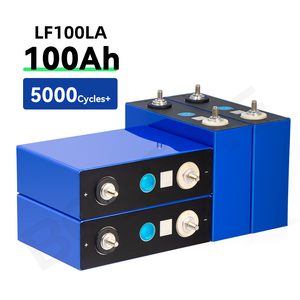
| Cycle Durability (80% DoD) | 2,000 – 3,500 Cycles | 5,000 – 6,000+ Deep Cycles | 15+ year operational lifespan during daily solar charge/discharge cycles. |
| Corrosion Resistance | Standard C2/C3 Enclosure | ISO 12944 C5-M Marine Class | Prevents coastal salt fog degradation on island sites (e.g., Mykonos, Crete). |
| Smart BMS & Telemetry | Basic Voltage Monitoring | Criterion Smart BMS (CAN 2.0B / Modbus TCP) | Real-time cell balancing and remote telemetry integration with DEDDIE SCADA. |
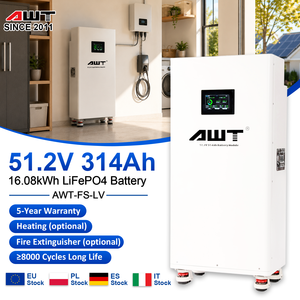
| Freight & Logistics Status | Non-EU Import Lead Times (12+ wks) | EU Stock Warehousing (Duty Paid) | Rapid 3 to 7-day transport to mainland Greece and island ports via Piraeus. |
Energy storage procurement in Greece spans distinct localized use cases. As a premier microgrid energy storage solutions manufacturer, our battery pack configurations are custom-built to match these specific Hellenic market scenarios:
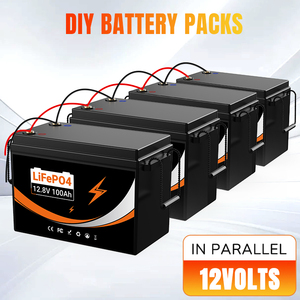
High-end eco-resorts in Santorini, Rhodes, and the Cyclades require silent, zero-emission backup power during peak summer months when island grids suffer frequent voltage sags and blackouts. Stackable 15kWh to 100kWh LFP systems buffer heavy HVAC and desalination loads silently without diesel generator noise.
In support of the Greek Ministry of Environment and Energy's GR-eco Islands initiative (aimed at decarbonizing small non-interconnected islands like Chalki and Astypalea), our microgrid BESS solutions interface seamlessly with wind and solar assets to achieve up to 90% RES penetration.
Seasonal agricultural operations in the Peloponnese and Crete experience sharp peak power demand during harvesting periods. High-output LiFePO4 storage packs perform peak shaving, lowering demand charges under Greek commercial electricity tariff structures.
Mountainous telemetry relay stations across mainland Greece require uncompromised, zero-maintenance power continuity. Customizable 19.2V / 48V outdoor LiFePO4 packs deliver extreme temperature resilience (-20°C to +60°C) with integrated solar MPPT charging.
The Hellenic energy market represents one of Europe's fastest-growing battery storage sectors. Key trends shaping procurement include:
Backed by over four decades of custom battery design experience and the global supply chain strength of Ultralife Corporation.
Established track record engineered to strict ISO 9001:2015 quality standards. Every cell batch undergoes 100% capacity verification, internal resistance testing, and safety inspection prior to pack integration.
Direct strategic relationships with globally audited cell producers—including Tadiran, Saft, Panasonic, Murata, Molicel, and Lishen—ensuring absolute cell traceability and consistent electrochemical performance.
Proprietary smart battery management system architectures with advanced state-of-charge (SoC), state-of-health (SoH) diagnostics, SBS compliance, and multi-layered overvoltage, overcurrent, and thermal safeguards.
State-of-the-art production facilities in North America combined with EU-warehousing logistics guarantee uninterrupted product delivery to Piraeus and local Greek logistics hubs without supply chain bottlenecks.
From preliminary mechanical CAD modeling and BMS firmware tailoring to prototype UN38.3 transport certification and full series manufacturing, our engineering team acts as your dedicated power partner.
Answers to common engineering, regulatory, and logistics questions raised by Hellenic microgrid installers, EPCs, and commercial system integrators.
All battery energy storage systems deployed in Greece must comply with EU safety regulations, including CE marking, Low Voltage Directive (LVD 2014/35/EU), EMC Directive (2014/30/EU), and UN38.3 certification for safe lithium transport. For grid connection to DEDDIE/ADMIE networks, inverters and BMS controllers must meet EN 50549-1/2 standards.
Our microgrid battery modules use high-temperature resistant Grade A LiFePO4 chemistry with integrated thermal spreading plates and smart BMS cutoff switches. For containerized systems, we utilize intelligent closed-loop HVAC cooling that maintains ambient cell temperatures around 25°C even when outside temperatures reach 45°C in regions like Crete or Thessaly.
Yes. Our smart BMS platforms support customizable RS485, CAN bus 2.0B, and Modbus TCP communication protocols. We provide pre-configured protocol maps compatible with leading European and global inverter brands widely specified by Greek solar installers.
For items available in our EU duty-paid stock, shipping to major mainland Greek hubs (Athens, Thessaloniki, Patras) typically takes 3 to 5 business days. Transit to non-interconnected island ports (e.g., Mykonos, Santorini, Heraklion) takes approximately 5 to 8 business days via freight ferry services from Piraeus.
LiFePO4 (Lithium Iron Phosphate) offers superior thermal stability (no oxygen release up to 500°C), zero risk of thermal runaway, significantly higher cycle durability (5000+ vs 2000 cycles for NMC), and lower levelized cost of storage (LCOS)—making it the safest and most economic chemistry for stationary microgrid applications in warm climates.
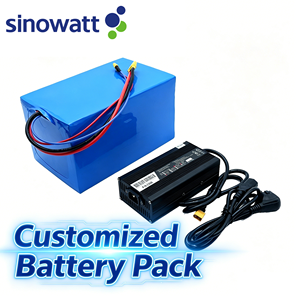
Absolutely. Excell Battery specializes in custom lithium pack design. Whether you require specific enclosure dimensions for compact naval vessel engine rooms, custom voltage levels for agricultural machinery, or ATEX/HAZLOC certified packs for refinery environments, our engineering team manages design from initial concept to mass production.
Partner with an ISO 9001 certified global lithium battery manufacturer. Contact our engineering team for technical consultations, customized BESS quotes, or EU stock availability.