
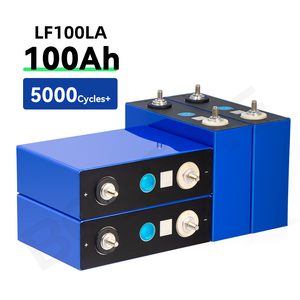
Explore our field-tested LFP and Li-ion cell configurations engineered for extreme pulse loads, thermal endurance, and rapid charge cycles in harsh desert operations.
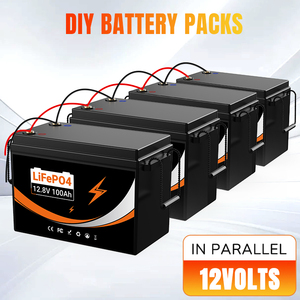
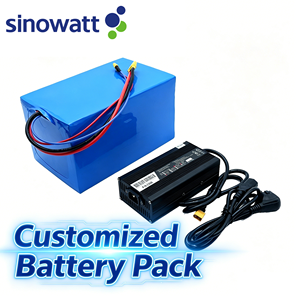
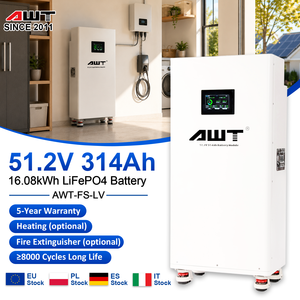
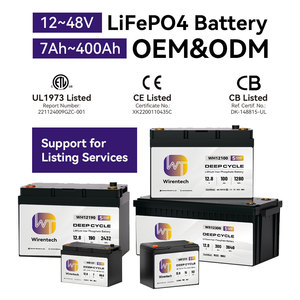
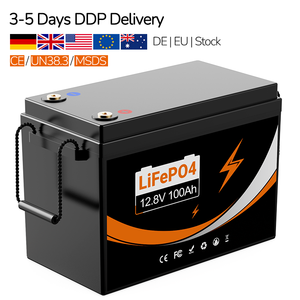
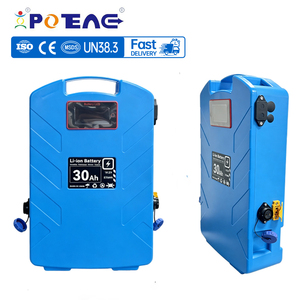
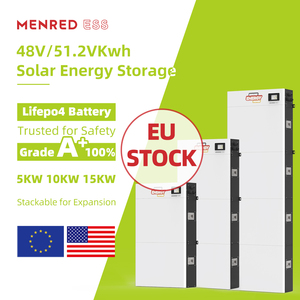
Analyzing thermal stress parameters, dynamic current discharge rates, and electro-chemical resilience required for energy storage, oilfield automation, and maritime logistics in the Sultanate of Oman.
High-drain lithium-ion cells differ fundamentally from standard energy-dense storage cells. While standard cells focus exclusively on volumetric energy density (Wh/L), high-drain variants are engineered with ultra-thin electrode foils, nano-structured phosphate coatings, and multi-tab internal geometry to minimize Internal Resistance (DCIR < 0.5 mΩ). This architecture allows continuous discharge rates spanning 10C to 30C, with transient pulse capabilities exceeding 50C without incurring dangerous voltage sag or localized resistive heating.
In industrial power tools, heavy-lift automated guided vehicles (AGVs), defense telemetry, and oilfield emergency shutdown systems, the battery must deliver immediate high peak power without compromising cell structural integrity.
The Sultanate of Oman—spanning desert installations in Fahud, Nimr, and the Rub' al Khali to coastal maritime hubs in Sohar, Duqm, and Salalah—presents extreme ambient temperatures frequently surpassing 50°C during peak summer months. High ambient heat compounded by Joule heating ($I^2R$) during heavy current draw can rapidly push conventional lithium chemistry into accelerated thermal degradation or thermal runaway.
Our high-drain cells utilize thermally stable Lithium Iron Phosphate (LiFePO4 / LFP) and upgraded nickel-manganese-cobalt chemistry with ceramic separator matrixes. Combined with flame-retardant electrolytes and active/passive cooling jackets, these packs operate safely at continuous skin temperatures of 65°C.
Aligned with Oman Vision 2040 green initiative objectives and Petroleum Development Oman (PDO) engineering specifications.
Drilling operations under Petroleum Development Oman (PDO) and OQ require high-pulse power sources for Measurement-While-Drilling (MWD) tools and Logging-While-Drilling (LWD) sonic instrumentation. Our high-drain cells endure continuous high-vibration environments, downhole shocks, and high thermal thresholds without micro-shorting.
Oman’s rapid expansion into utility-scale solar PV (such as Ibri 2 Solar IPP) requires dynamic Battery Energy Storage Systems (BESS) capable of instantaneous pulse discharge for grid frequency stabilization, ramp-rate smoothing, and black-start backup in desert substations managed by Nama Group.
At Sohar Port, Port of Salalah, and the Duqm Special Economic Zone (SEZAD), automated container handlers, electric cranes, and tugboat auxiliary power units rely on our custom LiFePO4 packs designed to handle rapid high-amp fast-charging (1C to 3C continuous) during break-fix cycles.
Comparative benchmarking for systems integrators and engineering procurement contractors (EPCs) operating in Middle Eastern climates.
| Performance Metrics | High-Drain LFP (Prismatic / 32700) | High-Drain NMC (21700 / 18650) | Standard Energy LFP | Lithium Titanate (LTO) |
|---|---|---|---|---|
| Continuous Discharge C-Rate | 10C – 20C | 15C – 30C | 1C – 3C | 10C – 30C |
| Peak Transient Pulse (10 Sec) | 30C – 40C | 45C – 60C | 5C | 50C |
| Thermal Runaway Temperature | > 270°C (Extremely Safe) | ~ 210°C (Requires Active Cooling) | > 270°C | > 300°C |
| DC Internal Resistance (DCIR) | < 0.6 mΩ | < 0.4 mΩ | > 2.5 mΩ | < 0.8 mΩ |
| Cycle Life @ 80% DOD (55°C Heat) | 4,500+ Cycles | 1,200+ Cycles | 3,500+ Cycles | 15,000+ Cycles |
| Cost-per-Wh Efficiency Ratio | Optimal (High ROI) | Moderate | Low Initial Cost | High Capital Cost |
For desert solar microgrids, off-grid telecom, and industrial equipment operating in temperature ranges between 45°C and 60°C, High-Drain LFP (Lithium Iron Phosphate) offers the most balanced safety margin, cycle longevity, and resistance to thermal-induced capacity degradation compared to higher-risk nickel-based chemistries.
Operating as an ISO 9001 certified global leader, our organization brings over four decades of custom electro-chemical battery design. Backed by strategic partnerships with top tier cell manufacturers (including Panasonic, Tadiran, Saft, Samsung SDI, Murata, and Molicel), we guarantee audited cell chemistry, strict batch consistency, and full material supply traceability.
Shipping lithium batteries to the Sultanate of Oman requires full adherence to international maritime dangerous goods (IMDG) regulations and Royal Oman Police (ROP) customs clearances. We provide comprehensive logistics coordination directly to key Omani ports and industrial zones:
Answers to common questions from Omani buyers, project engineers, and supply chain directors.
Our high-drain LFP cells feature low internal impedance (DCIR < 0.6 mΩ), minimizing internal thermal generation during high-amp discharges. Combined with thermal insulation shielding, phase-change materials (PCM), and heat-sink aluminum enclosures, our custom packs maintain operating stability up to 65°C continuous skin temperature without initiating thermal runaways or severe cycle loss.
Yes. We supply battery configurations designed to meet rigorous oilfield telemetry, downhole MWD, and HAZLOC Zone 1 / Zone 2 specifications. Packs are tested against UN 38.3 transport standards, IEC 62619 safety standards, and housed in explosion-proof IP67-rated ATEX/IECEx enclosures compliant with Middle Eastern oil field regulations.
Absolutely. Our engineering team specializes in custom electro-mechanical enclosure designs. We match physical dimensions, busbar connector positions, system voltage thresholds (12V up to 800V high-voltage storage), and communication protocols (CANbus, RS485, Modbus RTU) to seamlessly drop into your existing solar power system architecture.
Standard prototype samples ship within 2 to 3 weeks following final engineering sign-off. Bulk commercial shipments typically deliver via sea freight to Sohar Port or Muscat (Sultan Qaboos Port) in 4 to 6 weeks, inclusive of DG (Dangerous Goods) packaging documentation, UN 38.3 certification, and customs clearance support.
Our intelligent Battery Management Systems (BMS) provide continuous per-cell voltage monitoring, active capacity balancing, double-stage over-current/short-circuit cutoff, over-temperature protection, and real-time State-of-Charge (SOC) / State-of-Health (SOH) calculation reporting via SCADA-ready telemetry interfaces.
Consult directly with our technical engineering team to specify cell chemistries, thermal management configurations, and custom BMS options tailored to your project in Oman.