
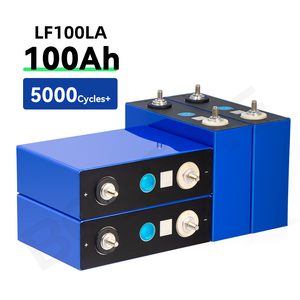
 Grade A Cells
Grade A 5000 Cycles 3.2V 100Ah LFP Prismatic Cell Module
Ultra-long cycle life prismatic cells ideal for 12V, 24V, and 48V custom packs in RVs, off-grid storage, and electric mobility.
Select from our benchmarked lithium iron phosphate (LiFePO4) and solid-state-ready module configurations tailored for US commercial and industrial deployments.
Grade A Cells
Ultra-long cycle life prismatic cells ideal for 12V, 24V, and 48V custom packs in RVs, off-grid storage, and electric mobility.
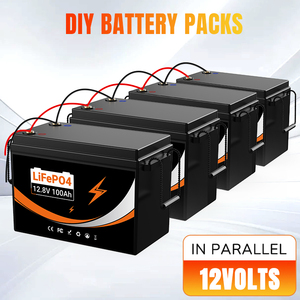 Heavy Duty OEM
Engineered with smart integrated BMS for scalable 100kWh commercial battery storage arrays and industrial equipment.
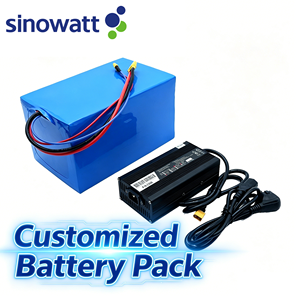 Custom BMS
Precision-engineered multi-series custom battery packs featuring advanced PCM/BMS protection for automated machinery.
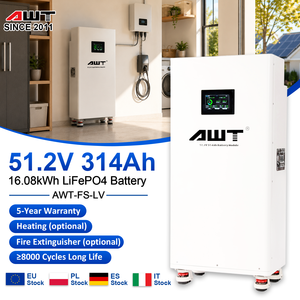 ESS Commercial
High-density residential and commercial wall-mounted and rack energy storage module engineered for US grid tie-ins.
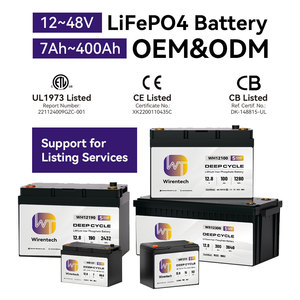 Ruggedized
Vibration-resistant, IP67-rated 12V-48V drop-in replacement batteries for severe outdoor and marine environments.
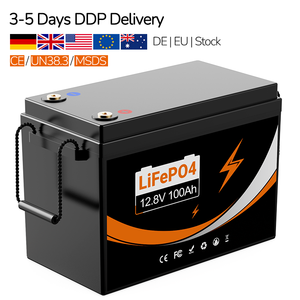 Home Storage
Premium deep-cycle LiFePO4 systems supporting quick-charge protocols and extended reserve times during outage events.
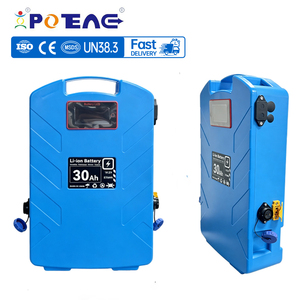 Portable OEM
Lightweight, high-energy ergonomic wearable power solution engineered for field research, defense, and outdoor operations.
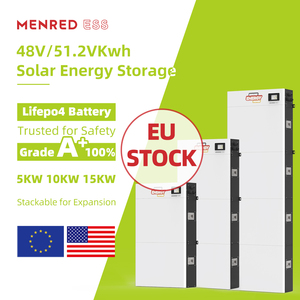 Modular Stack
Modular high-voltage stackable battery architecture delivering seamless emergency backup and solar self-consumption optimization.
The energy storage landscape across the United States is undergoing a profound paradigm shift. Driven by federal clean energy mandates, the Inflation Reduction Act (IRA) domestic content guidelines, and an unprecedented demand for localized grid resiliency, Original Equipment Manufacturers (OEMs) are seeking battery partners capable of delivering next-generation energy density alongside uncompromised safety profile.
While legacy Liquid Lithium-Ion chemistries (NMC and standard LFP) have anchored the market for decades, Solid-State Lithium Battery Technology represents the ultimate technological horizon. By replacing volatile organic liquid electrolytes with inflammable solid ceramic, polymer, or sulfide-based electrolytes, solid-state architectures eliminate thermal runaway mechanisms at the molecular level while enabling volumetric energy densities exceeding 400 Wh/kg.
Off-the-shelf standardized battery modules frequently fail to satisfy the complex spatial, thermal, and electrical constraints of specialized American equipment. Whether powering downhole oil & gas telemetry tools in Texas, autonomous mobile robots (AMRs) in Midwestern logistics hubs, or critical medical equipment in FDA-regulated environments, off-the-shelf options introduce risk.
Custom OEM manufacturing allows American engineers to tailor battery chemistry, form factor, busbar configuration, and smart Battery Management Systems (BMS) directly to application load profiles. By integrating micro-architectural safety controls, solid-state and customized prismatic LiFePO4 cells deliver predictable performance cycles without early capacity degradation.
To assist battery system architects and engineering procurement executives in making data-driven sourcing decisions, the following benchmarking matrix highlights key performance vectors across mainstream industrial chemistries and solid-state advancements.
| Performance Metric | Solid-State Lithium (ASSB) | Custom Prismatic LiFePO4 | Standard NMC Lithium-Ion |
|---|---|---|---|
| Gravimetric Energy Density | 380 - 500 Wh/kg | 160 - 200 Wh/kg | 240 - 300 Wh/kg |
| Volumetric Energy Density | 800 - 1100 Wh/L | 320 - 420 Wh/L | 550 - 700 Wh/L |
| Thermal Runaway Temperature | > 300°C (Inherently Safe) | ~ 270°C (High Stability) | ~ 150°C - 210°C (Risk) |
| Cycle Life (80% DOD) | 5,000 - 10,000+ Cycles | 4,000 - 6,000 Cycles | 1,200 - 2,500 Cycles |
| Fast Charge Capability | 10-15 Min (0-80% SOC) | 45-60 Min (0-80% SOC) | 30-45 Min (0-80% SOC) |
| Operating Temp Range | -40°C to +85°C | -20°C to +60°C | -10°C to +50°C |
| US Regulatory Compliance | UL 9540A, UN 38.3 Ready | UL 1973, UL 9540, UN 38.3 | UL 1642, UN 38.3 |
The operational conditions across the United States demand tailored power delivery systems engineered for climate extremes, rugged transport, and continuous uptime. Below are key American market sectors where our custom solid-state and high-cycle lithium OEM battery solutions deliver distinct technological advantages:
From California’s Title 24 mandates to hurricane-prone coastlines in Florida and Texas, containerized and wall-mounted 48V/51.2V LiFePO4 battery stacks provide seamless power arbitrage and emergency microgrid resilience.
FDA-compliant battery packs designed with redundant multi-layer Smart BMS circuits, ensuring zero-downtime operation for mobile diagnostic carts, surgical robotics, and portable oxygen concentrators.
High-rate discharge battery packs capable of continuous 3C continuous load demands, powering warehouse AGVs, forklift fleets, and robotic automation in fast-paced distribution hubs across the American Midwest.
Hermetically sealed high-temperature cells purpose-engineered to survive shock vibration up to 20G and thermal exposure exceeding 150°C in Permian Basin oilfield instrumentation and remote environmental sensors.
Navigating the North American battery regulatory framework requires deep familiarity with state and federal safety mandates. In recent years, agencies such as OSHA, the Department of Transportation (DOT), and local Fire Marshals (under NFPA 855 guidelines) have tightened requirements for stationary and portable battery installations.
Combining over 40 years of battery design heritage with cutting-edge solid-state R&D, we deliver end-to-end custom power engineering from initial consultation to mass production.
Our in-house team of electro-chemical engineers, mechanical designers, and BMS software developers work alongside your engineering team to model custom battery packs tailored to exact voltage, physical footprint, and rate discharge profiles.
We maintain direct global strategic partnerships with premier audited cell manufacturers (including Panasonic, CATL, Eve, Tadiran, Saft, and Molicel), ensuring zero counterfeit components, 100% cell capacity grading, and strict batch traceability.
Every battery module undergoes automated optical inspection (AOI), 100% End-of-Line (EOL) electrical testing, thermal imaging, and computerized cycle testing to guarantee zero-defect delivery into mission-critical US supply chains.
Our custom BMS architectures support CANbus, SMBus, RS485, and IoT Bluetooth/Wi-Fi telemetry protocols, allowing remote monitoring of State of Charge (SOC), State of Health (SOH), and predictive maintenance algorithms.
Accelerate your product time-to-market with quick-turn rapid prototyping capabilities and direct assistance in navigating UN 38.3, UL, CE, and FCC certification testing protocols for your complete device assembly.
Dedicated technical account management and localized US customer service, providing rapid engineering changes, warranty protection, and hassle-free domestic logistics support without international communication barriers.
Get authoritative answers to common questions regarding custom OEM lithium battery development, solid-state lead times, and regulatory compliance.
Solid-state batteries utilize a solid inorganic electrolyte rather than a flammable liquid organic solvent. This fundamental architectural change eliminates thermal runaway hazards, allows for significantly higher volumetric energy density (>400 Wh/kg), enables ultra-fast charging capabilities, and operates across wider ambient temperature extremes without degradation.
Prototyping timelines typically range from 4 to 8 weeks depending on mechanical housing complexity and custom BMS protocol integration. Non-Recurring Engineering (NRE) costs vary based on custom tooling requirements, plastic injection molding, or specialized aluminum enclosure fabrication. Contact our engineering team for a detailed engineering proposal within 48 hours.
All our battery packs are engineered with compliant creepage and clearance distances, redundant thermal cutoff fuses, flame-retardant (UL 94-V0) materials, and integrated BMS safety monitoring. We provide full pre-compliance testing and manage certification submission paperwork with accredited testing laboratories such as Intertek and UL.
Yes. Our electronics engineering department specializes in designing custom BMS hardware and firmware interfaces supporting CANopen, J1939, Modbus RS485, SMBus, I2C, and custom proprietary UART protocols to ensure drop-in communication compatibility with your master system controllers.
We accommodate flexible volume scaling designed for specialized high-value industrial equipment up to mass consumer production runs. For custom industrial engineering projects, sample evaluations begin as low as 10 to 50 units, with volume pricing tiers scaled for production commitments.
Liquid electrolytes suffer from severe ionic conductivity drops and risk lithium dendrite formation under sub-zero temperatures. Solid-state electrolytes maintain stable ionic transport mechanisms down to -40°C, enabling dependable winter power output for outdoor surveillance, remote telecommunications, and defense operations across North America.
Partner with a leading OEM battery manufacturer dedicated to advancing your product’s energy performance, reliability, and market competitiveness in the United States market.