Precision-engineered lithium cell packs, customizable smart BMS arrays, and commercial energy storage units optimized for New Zealand exporters and regional industrial buyers.
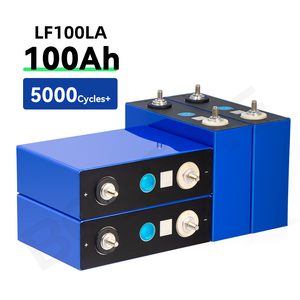
Heavy-duty industrial grade prismatic cells engineered for modular stack integration in 12V, 24V, and 48V containerized battery racks.
Send an Inquiry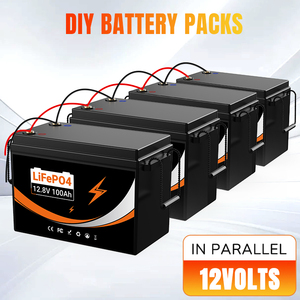
High-capacity modular lithium packs optimized for commercial peak shaving and renewable solar farm power smoothing in NZ networks.
Send an Inquiry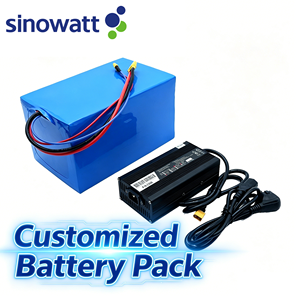
Tailor-made industrial lithium battery configurations equipped with multi-protocol CANbus / RS485 intelligent monitoring systems.
Send an Inquiry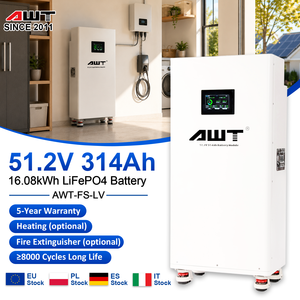
High-density LFP storage modules designed for scalable rack installation inside 20ft and 40ft insulated climate-controlled enclosures.
Send an Inquiry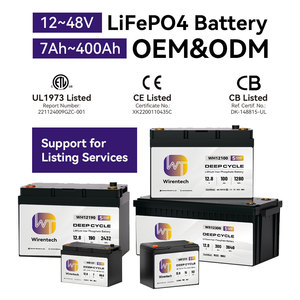
Robust, weather-resistant LiFePO4 battery modules ideal for agricultural pump stations, marine off-grid power, and auxiliary BESS power.
Send an Inquiry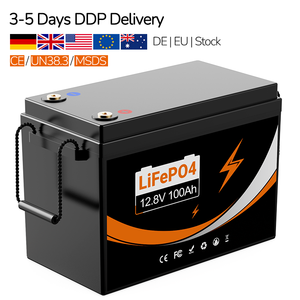
Flexible zero-maintenance lithium iron phosphate power storage blocks engineered for rapid deployment in isolated remote microgrids.
Send an Inquiry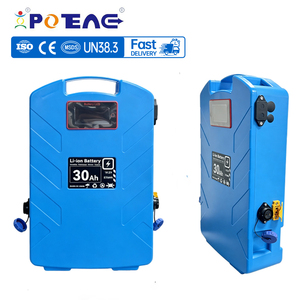
Compact, shock-isolated battery power units engineered for field instrumentation, seismic testing equipment, and remote utility diagnostics.
Send an Inquiry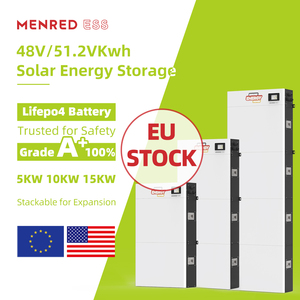
High-voltage stackable battery energy storage architecture designed for scalable commercial building backup and distributed energy systems.
Send an InquiryAotearoa New Zealand stands at a pivotal juncture in its national energy transition. With the New Zealand Government targeting 100% renewable electricity generation by 2030 and full carbon neutrality by 2050 under the Climate Change Response (Zero Carbon) Amendment Act, the structural dynamics of the country’s power grid are undergoing a seismic evolution. However, transitioning from centralized hydro, geothermal, and thermal generation toward intermittent distributed wind and solar infrastructure introduces profound grid stability challenges across both the North and South Islands.
“As Transpower and local Electricity Distribution Businesses (EDBs) face unprecedented peak demand spikes and dry-year hydro volatility, Containerized Battery Energy Storage Systems (C-BESS) serve as the indispensable non-network solution for fast frequency response, transmission peak deferral, and renewable energy arbitrage.”
Containerized Battery Energy Storage Systems—housed in standardized 20ft and 40ft ISO modular enclosures—have emerged as the definitive engineering solution for utility operators, independent power producers (IPPs), and large-scale industrial consumers in New Zealand. By integrating high-density Lithium Iron Phosphate (LiFePO4) chemistry with liquid-cooling HVAC systems and multi-tier Battery Management Systems (BMS), C-BESS provides sub-second synthetic inertia, frequency keeping, and voltage support required to maintain national grid equilibrium.
Exporting containerized battery storage systems to New Zealand requires engineering compliance with rigorous local physical, electrical, and environmental constraints. Unlike conventional indoor battery racks, an outdoor ISO containerized BESS must function as an autonomous, self-contained power plant capable of enduring harsh marine atmospheres, seismic activity, and wide seasonal ambient temperature swings.
Utilizing premium Grade-A Prismatic LiFePO4 cells offering 6000+ cycle life at 80% Depth of Discharge (DoD). Designed with high thermal runaway limits and zero toxic heavy metal emissions, organized into plug-and-play high-voltage battery racks.
Custom-built ISO containers treated with C5-M high-durability epoxy coating system to withstand coastal salt-fog atmospheric corrosion across New Zealand ports and maritime installation sites.
Advanced liquid-to-liquid microchannel cooling plates direct thermal energy away from individual cells, keeping inter-cell temperature variances strictly within ≤2.5°C, expanding overall system lifespan by 20% compared to air cooling.
Fully certified internal structural steel framing, battery rack lockdown bracing, and elastomeric damper mounts engineered to absorb Zone 4 peak ground accelerations up to 0.85g along NZ seismic fault zones.
Integrated off-gas detection (CO / H2 early warning), automated aerosol / FK-5-1-12 gas flooding suppression systems, pressure relief explosion vents, and isolated fire barrier bulkheads compliant with UL 9540A burn test standards.
Integrated Power Conversion System (PCS) and Energy Management System (EMS) supporting DNP3, IEC 61850, and Modbus TCP for seamless SCADA integration into Transpower and local EDB control centers.
Selecting the optimal container footprint depends on land availability, grid interconnection limits, required energy-to-power ratio (C-rate), and site-specific acoustic constraints under New Zealand's Resource Management Act (RMA). Below is a detailed technical comparative matrix of our standardized export configurations:
| System Parameter | 20ft ISO Modular BESS (1.5MWh - 2.5MWh) | 40ft High-Cube BESS (3.4MWh - 5.0MWh) |
|---|---|---|
| Nominal System Energy | 1,500 kWh – 2,500 kWh | 3,440 kWh – 5,015 kWh |
| Cell Chemistry & Form Factor | Prismatic LiFePO4 (3.2V 280Ah / 314Ah) | Prismatic LiFePO4 (3.2V 314Ah High-Density) |
| Thermal Management Type | Liquid-Cooling (Closed-Loop Chiller) | Multi-Zone Intelligent Liquid-Cooling Unit |
| C-Rate Discharge Capabilities | 0.5C Continuous / 1C Peak (Fast Response) | 0.25C to 0.5C Energy Arbitrage Optimized |
| Enclosure Protection Class | IP55 / C5-M Marine Heavy Anti-Corrosion | IP55 / C5-M Marine Heavy Anti-Corrosion |
| Acoustic Rating (at 10 meters) | ≤ 65 dBA (Optional Acoustic Baffle < 45 dBA) | ≤ 68 dBA (Low-Noise Night Mode Configurable) |
| Seismic Acceleration Limit | 0.85g Peak Ground Acceleration (Zone 4) | 0.85g Peak Ground Acceleration (Zone 4) |
| Grid Standards Compliance | AS/NZS 5139, IEC 62619, UL 9540, Transpower Code | AS/NZS 5139, IEC 62619, UL 9540, Transpower Code |
Our containerized battery energy storage systems are engineered to address the specific geographical, agricultural, and grid topology conditions present across New Zealand’s North and South Islands.
Agricultural operations in Canterbury and the Waikato require massive seasonal electricity draws for deep-well water pumping and automated pivot irrigation systems. Unplanned rural line trips or summer voltage sags can disrupt irrigation schedules and damage high-voltage pump motors. By installing a compact 20ft containerized BESS adjacent to agricultural switchyards, farmers secure uninterrupted zero-emission power backup, eliminate peak demand surcharges from local EDBs, and gain the capability to run irrigation systems entirely on stored solar power.
As large-scale solar projects expand rapidly across Northland, Gisborne, and Hawkes Bay, distribution network service providers (DNSPs) mandate strict solar ramp-rate controls to prevent line voltage instability when sudden cloud cover passes over PV arrays. Our 40ft containerized BESS solutions provide instant dynamic active power injection, smoothing power delivery curves to satisfy strict network connection agreements without curtailing clean solar yield.
With Transpower operating the national grid across the Cook Strait HVDC Interisland Link, system frequency stability is paramount. In the event of a sudden generator trip in the South Island or an HVDC pole fault, containerized BESS assets equipped with grid-forming inverters respond in under 100 milliseconds. Providing both Fast Instantaneous Reserve (FIR) and Sustained Instantaneous Reserve (SIR), BESS operators earn substantial ancillary revenue on the NZX electricity clearing market while safeguarding national energy security.
Isolated communities such as the Chatham Islands and Stewart Island historically depended on expensive, high-emission diesel power generators shipped via ocean freight. Integrating containerized BESS with localized wind turbines and solar arrays forms resilient, self-healing islanded microgrids. Diesel generators are relegated to tertiary backup, reducing annual island fuel consumption and carbon emissions by up to 85%.
With over 40 years of pioneering battery engineering expertise, ISO 9001 certified manufacturing facilities, and a global supply chain network backed by Ultralife Corporation, our enterprise delivers unmatched reliability for critical energy infrastructure deployments worldwide.
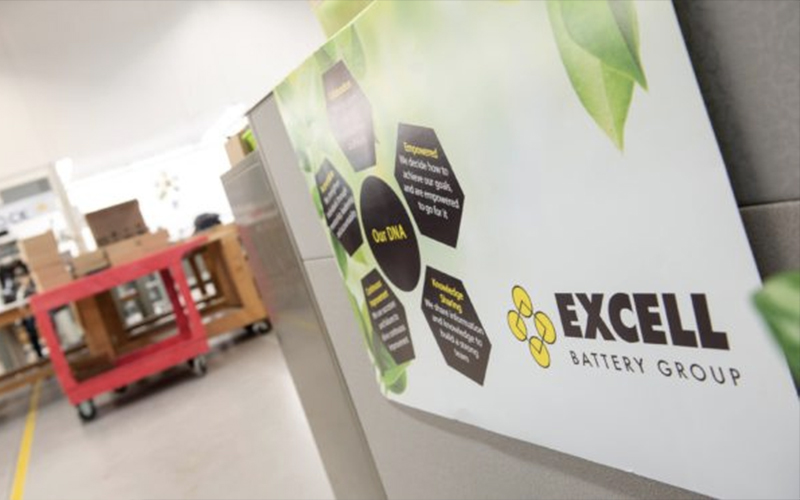
We partner exclusively with audited, world-leading cell vendors (CATL, EVE, Saft, Tadiran, Panasonic, LG Energy Solution, Samsung SDI, Molicel) to guarantee uncompromised electro-chemical stability and strict batch-to-batch consistency. Our proprietary Criterion intelligent monitoring technology provides real-time telemetry, cell balancing, and predictive maintenance diagnostic algorithms.
Navigating New Zealand's regulatory consent landscape demands strict adherence to electrical safety and environmental mandates. Our containerized systems come fully pre-certified with international quality and safety marks, streamlining local council approvals and electrical inspector sign-offs across all New Zealand regions.

Answers to common technical, regulatory, and logistical questions regarding the import and deployment of containerized battery energy storage systems in New Zealand.
Our container enclosures are manufactured from heavy-gauge weather-resistant structural steel and treated with a marine-grade C5-M epoxy coating system. All external fasteners are marine stainless steel (316 grade), and air intakes feature specialized multi-stage salt mist filtration and IP55 water-ingress barriers to protect internal electrical components in maritime coastal zones like Auckland, Taranaki, and Napier.
All internal battery racks, liquid chillers, and PCS cabinets are anchored directly to the container's structural floor frame using seismic-rated lockdown brackets and elastomeric dampers. Engineered to comply with NZS 4219 and NZS 1170.5 standards, our systems withstand Zone 4 peak ground accelerations up to 0.85g without structural failure or battery cell displacement.
Yes. Our integrated Power Conversion Systems (PCS) and Energy Management Systems (EMS) support fast grid-forming / grid-following modes, sub-second active/reactive power response, low-voltage ride-through (LVRT), and standard communication protocols including Modbus TCP, DNP3, and IEC 61850 for direct SCADA integration with Transpower and regional Electricity Distribution Businesses (EDBs).
Liquid cooling directly contacts cell cold plates, achieving thermal transfer efficiency up to 3 times higher than forced-air HVAC systems. This maintains strict inter-cell temperature variances within ≤ 2.5°C across ambient temperatures from -10°C (Central Otago winter) to +35°C (Northland summer), reducing parasitic HVAC power consumption by up to 40% and significantly extending overall battery pack service life.
Standard manufacturing and Factory Acceptance Testing (FAT) typically require 8 to 12 weeks depending on system capacity. Ocean freight transit from our factory facilities to major New Zealand ports (Port of Auckland, Port of Tauranga, or Lyttelton Port in Christchurch) generally takes 18 to 25 days. All container shipments comply fully with Dangerous Goods UN 3536 international shipping standards.
Our fire protection strategy is designed under NFPA 855 guidelines and verified via UL 9540A full-scale burn testing. Each unit features early off-gas detection (detecting hydrogen and carbon monoxide before smoke or temperature spikes occur), automated aerosol / FK-5-1-12 gas suppression, structural fire barriers, and automatic explosion relief panels, ensuring rapid consent sign-off from local authorities and fire emergency services.