Top China Wearable Medical Device Batteries Manufacturers & Exporters

ISO 13485 & ISO 9001 Certified Micro-Power Engineering | OEM/ODM Custom Lithium Battery Packs for Next-Generation Medical Technology & Healthcare Wearables

Featured Medical-Grade & High-Reliability Battery Solutions

Engineered for continuous operation, biocompatible safety, high energy density, and smart BMS monitoring across wearable medical devices and critical equipment.
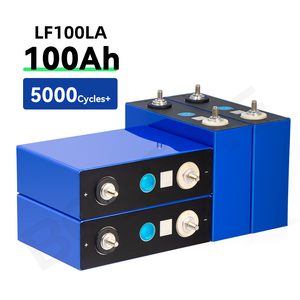
Grade A 5000 Cycles 3.2V 100Ah LFP Prismatic Cells Lithium Battery
Grade A 5000 Cycles 3.2V 100Ah LFP Prismatic Cells Lithium Iron Phosphate Battery for Medical Backup & Power Systems
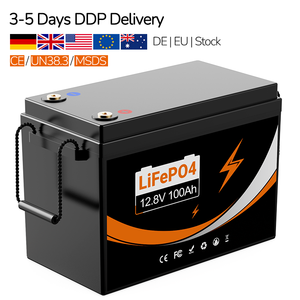
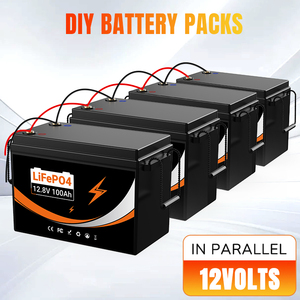
EU Stock LiFePO4 Iron Phosphate Battery Pack
EU Stock 12V 24V High-Safety LiFePO4 Iron Phosphate Battery Pack with Grade A Cells for Mobile Clinical Equipment
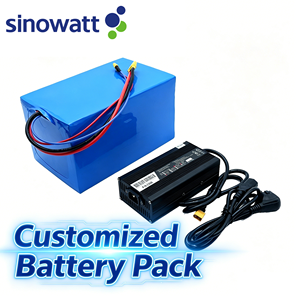
Customized Battery Pack with BMS Li-ion LiFePO4
Reliable Supplier Customized Battery Pack with Smart BMS Li-ion/LiFePO4 for Wearable & Portable Medical Instrumentation
High Capacity Lithium Ion Batteries Pack
High Energy Density Lithium-Ion Battery Pack with Integrated Protection Circuitry for Emergency Medical Storage
Customized Rechargeable LiFePO4 Battery Pack
Customized Rechargeable Multi-Voltage LiFePO4 Battery Solutions for Mobile Health Carts & Monitoring Stations
EU DE Stock Lithium Phosphate Battery Pack
EU DE Stock Zero-Maintenance Lithium Phosphate Battery Pack for Critical Healthcare Power Reliability
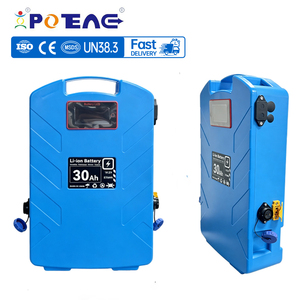
Customizable High Capacity Lithium LiFePO4 Backpack Battery Pack
Customizable High Capacity 19.2V 30Ah Wearable Ergonomic Backpack Battery Pack for Field Medical & Rescue Gear
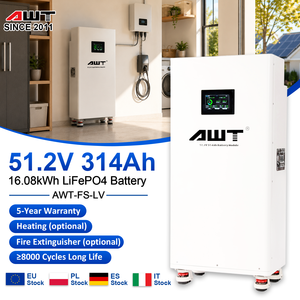
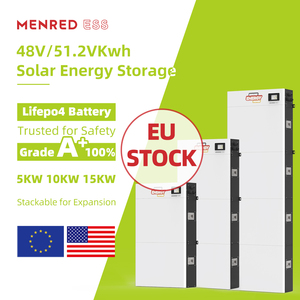
Modular Stackable LiFePO4 Backup Power System
Modular Stackable LiFePO4 Medical UPS & Auxiliary Power Unit with Advanced BMS Telemetry & Diagnostics

Executive Summary: The Evolving Landscape of Wearable Medical Device Batteries

The global wearable medical device market is experiencing an unprecedented surge driven by continuous remote patient monitoring (RPM), ambulatory diagnostic ECG patches, wearable insulin delivery pumps, smart pulse oximeters, and bio-telemetry patches. At the heart of this healthcare transformation is the critical need for miniaturized, ultra-safe, high-energy-density micro-battery packs.

Medical wearables operate under stringent engineering parameters. Unlike consumer wearables, power systems for medical devices must satisfy strict biocompatibility standards, absolute non-outgassing requirements, robust thermal containment, and flawless voltage stability under variable continuous and pulse loads. Leading Chinese battery manufacturers and exporters have established specialized medical-grade cell fabrication and cleanroom pack assembly lines, offering global original equipment manufacturers (OEMs) unprecedented access to custom battery design backed by ISO 13485 quality management systems.

Information Gain Key Insight: Modern medical wearable battery sourcing has shifted from standardized off-the-shelf coin cells to application-specific pouch cells engineered with tailored electrode chemistry, low self-discharge (<1% per year), integrated zero-standby-current BMS, and hermetic ultrasonic sealing to withstand body sweat, sterilization, and physical impacts.

Comparative Analysis of Micro-Battery Chemistries for Wearable Medical Devices

Battery Chemistry Nominal Voltage Energy Density (Wh/L) Cycle Life (80% DOD) Key Target Applications Safety Profile
Li-Polymer (Ultra-Thin Pouch) 3.7V - 3.85V 450 - 650 Wh/L 500 - 1000 Cycles Continuous Glucose Monitors (CGM), ECG Patches High (Requires PCM/BMS protection)
Micro LiFePO4 (Prismatic/Pouch) 3.2V 300 - 420 Wh/L 2000 - 5000 Cycles Wearable Defibrillators, Medical Exoskeletons Maximum Thermal & Chemical Stability
Solid-State Micro Lithium 3.8V 700 - 900 Wh/L 1000+ Cycles Smart Rings, Implantable/Sub-dermal Sensors Intrinsic (Non-flammable solid electrolyte)
Primary Li-MnO2 / Li-SOCL2 3.0V - 3.6V 650 - 1100 Wh/L Single Use (Up to 10 Yrs) Disposable Wearable Diagnostics, Smart Bandages Hermetic Seal Mandatory
40+
Years Combined Engineering
ISO 13485
Medical Quality Certified
<0.5%
Ultra-Low Annual Self-Discharge
100%
Automated Traceability & Inspection

Future Procurement Trends in Wearable Medical Device Battery Sourcing

As global medical device companies streamline their supply chains, strategic procurement directors must evaluate Chinese exporters based on technology roadmaps, regulatory readiness, and manufacturing agility. The following five procurement trends define the market landscape for 2026 and beyond:

1. Shift to Custom Curved & Ultra-Thin Form Factors

Standard rectangular cells compromise ergonomic compliance. OEM buyers are increasingly specifying 3D curved pouch cells (down to 1.5mm thickness) that conform naturally to human anatomy for wristbands, chest patches, and head-mounted diagnostics.

2. Integration of Low-Power Smart BMS & Fuel Gauging

Procurement teams demand battery packs with onboard System Management Bus (SMBus), I2C, or Single-Wire fuel gauges. Real-time state-of-charge (SOC) and state-of-health (SOH) reporting prevent sudden device shutdowns during critical patient monitoring.

3. Rigorous Cleanroom Assembly & Traceability

Leading Chinese exporters are transitioning production to ISO Class 7 (Class 10,000) cleanrooms to prevent particulate contamination during pouch cell sealing. Full batch barcode traceability from raw cathode material to finished pack is now mandatory.

4. Pre-Compliance Testing for Fast FDA/CE Approval

Procuring battery packs with pre-certified UN 38.3, IEC 62133-2, and UL 1642 credentials dramatically reduces time-to-market for medical OEMs, lowering regulatory submission risks in the US (FDA 510k) and European Union (MDR).

5. Fast Charging & Wireless Inductive Charging

Medical wearables require seamless patient compliance. Sourcing trends prioritize lithium batteries optimized for 2C-3C fast charging and integrated wireless receiving coils sealed within waterproof, skin-safe IP68 enclosures.

6. Sustainable & Non-Toxic Electrode Chemistries

Environmental standards (RoHS, REACH, EU Battery Regulation 2023/1542) are pushing exporters toward cobalt-reduced or cobalt-free chemistries, closed-loop recycling support, and sustainable packaging solutions.

Technological Development Trends in Wearable Battery Engineering

The convergence of advanced material science and micro-electronics is driving significant technological breakthroughs in medical power systems:

1. Silicon-Anode Substrates for Higher Energy Density

By incorporating silicon-nanoparticle composite anodes into lithium-ion pouch cells, Chinese manufacturers are breaking traditional energy density ceilings—achieving up to 35% higher volumetric capacity. This allows device designers to halve battery weight while preserving multi-day operating autonomy for wearable continuous monitors.

2. Biocompatible & Leak-Proof Electrolyte Formulations

Safety is non-negotiable when a battery rests directly against patient skin. Innovation in gel-polymer electrolytes and ceramic separator coatings mitigates internal short-circuit risks, ensuring zero liquid leakage even under extreme puncture or crushing forces.

3. Micro-BMS Architecture with Zero-Power Sleep States

Advanced battery management system (BMS) ICs now feature quiescent current draw below 1µA. This ultra-low power consumption preserves shelf life during long storage intervals, ensuring wearable devices remain ready for immediate clinical deployment upon unboxing.

Why Partner with China's Premier Battery Exporters?

As an established global leader in custom battery design with over 40 years of engineering heritage across industrial, hazardous location (HAZLOC/ATEX), oil & gas downhole, and high-reliability equipment, our manufacturing ecosystem delivers unmatched technical competence:

  • Tier-1 Cell Partnership Ecosystem: Direct strategic sourcing partnerships with world-renowned cell suppliers (including Tadiran, Saft, Panasonic, Murata, Molicel, Samsung SDI, and LG Energy Solution) guaranteeing 100% genuine cell consistency and long-term component availability.
  • End-to-End OEM/ODM Customization: In-house mechanical enclosure design, precision spot/laser welding, custom PCM/BMS firmware development, and rapid 3D-prototyping capability.
  • Rigorous Testing Facilities: Full suite of internal testing labs equipped for thermal shock, vibration, altitude simulation, forced discharge, UN 38.3 transport testing, and short-circuit verification.
  • Global Logistics & Regulatory Compliance: Seamless international shipping handling for Class 9 Dangerous Goods (UN3480 / UN3481) with complete MSDS, UN38.3 test summaries, and export clearance documentation.

Frequently Asked Questions (FAQ) for Global Battery Procurement

Q1: What international safety certifications are required when importing wearable medical device batteries?
For global market entry, battery packs must comply with IEC 62133-2 (safety requirements for portable sealed secondary cells), UL 1642 / UL 2054 (standard for lithium batteries), and UN 38.3 (transportation safety). For European distribution, CE marking and compliance with the EU Battery Regulation (2023/1542), RoHS, and REACH are required. For US FDA 510(k) submissions, comprehensive battery reliability data under ISO 13485 manufacturing conditions is essential.
Q2: How do Chinese manufacturers prevent thermal runaway and swelling in thin wearable pouch cells?
Swelling and thermal risks are controlled through three layers of engineering: (1) Chemistry Selection: Utilizing high-purity cathode materials with nano-ceramic separator coatings; (2) Mechanical Containment: Precision vacuum-sealing with high-tensile aluminum-laminated film and gas-bag degassing steps during formation; and (3) Electrical Protection: Integrating smart Protection Circuit Modules (PCM) with hardware overcharge, overdischarge, overcurrent, and thermal cutoff fuses.
Q3: What is the typical lead time and process for custom medical battery prototyping and NRE?
The custom battery design cycle typically follows four key phases: (1) Technical Requirement Specification (1-3 days); (2) PCM/BMS hardware design & 3D enclosure modeling (1-2 weeks); (3) Prototype sample fabrication and internal validation testing (2-3 weeks); (4) Formal UN 38.3 / IEC 62133 certification (4-6 weeks). Total sample delivery ranges between 4 to 8 weeks depending on certification scope.
Q4: Can custom battery packs be designed to withstand sterilization processes?
Yes. Depending on the device application, batteries can be encapsulated in specialized biocompatible resins or hermetically sealed medical-grade plastic enclosures (e.g., PEEK, ABS/PC) capable of surviving low-temperature Hydrogen Peroxide Gas Plasma sterilization or EtO (Ethylene Oxide) exposure without compromising seal integrity or internal electronics.
Q5: What are the Minimum Order Quantities (MOQ) for custom OEM medical battery packs?
MOQs vary depending on cell customization degree. For standard pouch cells with custom PCM, cabling, and connectors, MOQs typically start at 1,000 to 3,000 units. For fully custom tooling and proprietary cell shapes, initial MOQs range from 5,000 to 10,000 units, with prototype engineering batches available for initial clinical trials and testing.

Partner with China's Premier Medical Battery Engineering Experts

Looking for custom lithium battery packs engineered to your exact medical device specifications? Contact our technical engineering team for a comprehensive consultation, customized RFQ, and battery design proposal.

Send an Inquiry