Engineered for MWD, LWD, Wireline, and PIG pipeline inspection tools operating under high pressure, severe shock, and temperatures up to 200°C.
In modern hydrocarbon exploration and directional drilling, Measurement-While-Drilling (MWD), Logging-While-Drilling (LWD), and Pipeline Inspection Gauges (PIG) rely on autonomous power systems capable of enduring severe environmental stresses. Downhole drilling assemblies operate miles below the surface, subjecting electronic payloads to temperatures exceeding 150°C to 200°C, hydrostatic pressures reaching 20,000 PSI, and extreme mechanical shock profiles up to 1000G/0.5ms.
Selecting the right downhole battery manufacturer is not merely a component purchasing decision; it is a critical risk mitigation strategy against non-productive time (NPT), which can cost drilling operators over $100,000 per day in deepwater or unconventional shale wells. This report evaluates the Top 10 Oil and Gas Downhole Batteries Factories & Exporters globally, analyzing their chemical cell sourcing, structural encapsulation technologies, quality management certifications (such as ISO 9001), and compliance with hazardous location standards.
Our research directorate evaluated global exporters based on cell chemistry stability, high-temperature glass-to-metal seal integrity, vibration resistance engineering, and international shipping accreditation.
| Manufacturer / Exporter | HQ / Production Base | Primary Chemistry | Max Temp Envelope | Vibration / Shock Rating | Key Certifications |
|---|---|---|---|---|---|
| Excell Battery Co. Top Rated | North America (USA / Canada) | Li-SOCl2 / Li-BCX / High-Temp LiFePO4 | up to 200°C | 20G RMS / 1000G Shock | ISO 9001, UN 38.3, HAZLOC |
| Tadiran Batteries | Germany / Israel | Lithium Thionyl Chloride (Pulsesplus) | up to 150°C | 15G RMS / 500G Shock | ISO 9001, UL 1642 |
| Saft (TotalEnergies Group) | France / USA | Li-SOCl2 (CC Series) | up to 170°C | 20G RMS / 1000G Shock | ISO 9001, ATEX Certified |
| Electrochem Solutions | USA | Lithium BCX / Oxyhalide | up to 200°C | 20G RMS / 1000G Shock | ISO 9001, Class 9 Hazmat |
| Murata Manufacturing | Japan | Micro Lithium / High Rate Primary | up to 125°C | 10G RMS / 300G Shock | ISO 9001, ISO 14001 |
| Panasonic Energy | Japan | Lithium Primary & Industrial Cells | up to 100°C | 10G RMS / 250G Shock | ISO 9001, UN 38.3 |
| FDK Corporation | Japan | Lithium Manganese Dioxide | up to 85°C | 8G RMS / 200G Shock | ISO 9001, RoHS |
| Lishen Battery Co. | China | LiFePO4 / Li-SOCl2 Industrial | up to 130°C | 12G RMS / 400G Shock | ISO 9001, CE, UN 38.3 |
| Vitzrocell Co., Ltd. | South Korea | Li-SOCl2 High Temp | up to 180°C | 15G RMS / 600G Shock | ISO 9001, ISO 14001 |
| EnerSys / Hawker | USA | Specialty Defense & Downhole Packs | up to 150°C | 15G RMS / 500G Shock | ISO 9001, AS9100 |
In downhole applications, traditional lithium-ion chemistries (such as standard NMC or LCO) fail prematurely due to thermal runaway risks and electrolyte degradation above 80°C. OEM drillers must select purpose-built cell chemistry platforms suited for continuous subterranean service.
Offers the highest energy density among commercial primary chemistries (up to 430 Wh/kg) and an open-circuit voltage of 3.6V. Formulated with liquid cathode systems and specialized ceramic separators, high-temperature Li-SOCl2 cells deliver stable voltage plateaus up to 200°C.
Developed specifically to provide a safety margin over pure Li-SOCl2 in high-current pulse applications. Li-BCX operates at 3.9V nominal voltage and exhibits lower internal pressure buildup under abusive thermal conditions downhole.
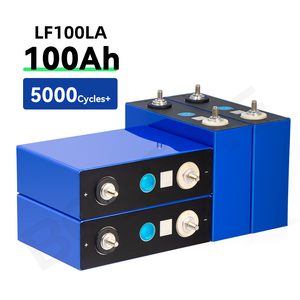
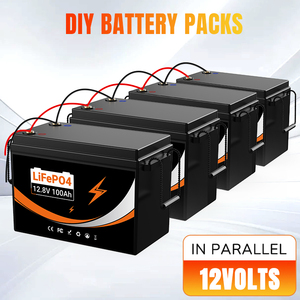
For rechargeable downhole telemetry and subsea asset monitoring requiring 3000 to 5000+ deep cycles, robust LFP prismatic cells integrated with specialized Smart BMS provide unparalleled thermal stability up to 70°C-85°C.
As oil and gas exploration shifts toward deeper offshore reservoirs and unconventional ultra-deep shale formations, the requirements placed on power supply vendors are evolving rapidly. Procurement teams and engineering leads should account for four macro trends over the coming decade:
Deep geothermal drilling and deepwater hydrocarbon wells require battery packs rated for continuous exposure to 180°C-225°C. Standard off-the-shelf cells experience rapid self-discharge and electrolyte venting at these temperatures, driving demand for specialized glass-to-metal hermetic seals and fused battery modules.
Passivation—the formation of a protective lithium chloride (LiCl) film on the anode—prevents self-discharge during storage but can cause severe voltage delay during initial mud pulse telemetry start-up. Next-generation downhole battery systems incorporate smart diagnostic modules (such as Criterion SBS systems) to calculate remaining capacity and manage controlled depassivation routines automatically.
Geopolitical friction and air freight regulations on Class 9 Dangerous Goods (UN3090/UN3480) have made global supply chains fragile. Procurement strategies increasingly mandate buying from manufacturers with North American or European pack assembly plants and dual-sourced cell supplier partnerships (e.g. Tadiran, Saft, Electrochem, Murata, Panasonic).
With over 40 years of custom engineering experience and an ISO 9001 certified quality management system, Excell Battery Co. (a subsidiary of Ultralife Corporation) stands as a premier North American custom lithium battery pack manufacturer.
Downhole telemetry tools, MWD steering units, wireline logging systems, and pipeline inspection gauges (PIGs) require zero-defect manufacturing. Excell Battery integrates top-tier cells from audited global partners with proprietary mechanical shock absorption, thermal barrier sleeves, and high-reliability welded interconnects.
Answers to common technical questions from drilling engineers, buyers, and supply chain managers.
Passivation is a natural phenomenon where a lithium chloride film forms on the lithium anode, extending shelf life up to 10 years. To eliminate voltage delay downhole, we integrate controlled depassivation loads prior to tool deployment and use custom-blended electrolyte additives for high-pulse operations.
We utilize specialized room-temperature vulcanizing (RTV) silicones, epoxy potting resins, and vibration-dampening sleeve supports inside stainless steel or titanium pressure housings. Cell connections feature spot-welded nickel tabs with strain relief points.
Primary Li-SOCl2 provides ultra-high single-use energy density for long-duration MWD/LWD runs up to 200°C without recharging. Rechargeable LiFePO4 offers 3000-5000+ lifecycle operations for reusable subsea monitoring or wireline tools operating below 85°C.
Primary lithium downhole batteries are classified under UN3090 Class 9 Dangerous Goods. Our packs undergo rigorous UN 38.3 testing (altitude, thermal, vibration, shock, external short circuit, impact, overcharge, forced discharge) to ensure air and sea shipping compliance worldwide.
Standard downhole pack configurations using pre-certified primary cells can be assembled within 2 to 4 weeks. Custom enclosure engineering, custom BMS development, and full UN 38.3 testing programs typically range from 6 to 12 weeks.
Simply click the quote link below to share your required operating temperature, voltage range, peak/continuous pulse current, dimensional limits, and expected tool run hours with our senior engineering team.
Partner with an ISO 9001 certified custom battery pack manufacturer for extreme-temperature MWD, LWD, and oilfield instrumentation applications.