High-cycle LifePO4 prismatic cells, custom enclosure configurations, and intelligent BMS protection designed to withstand extreme marine salinity, vibration, and thermal loads.
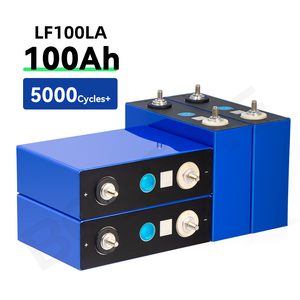
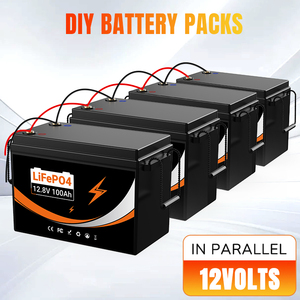
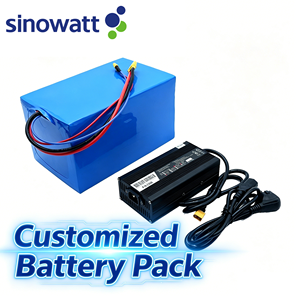
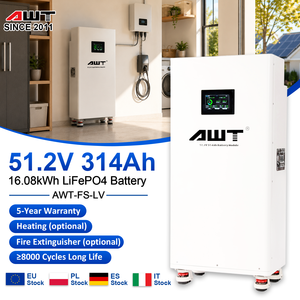
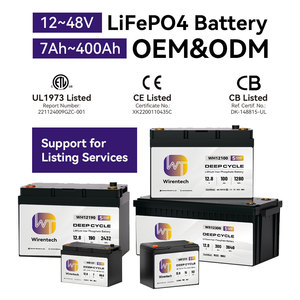
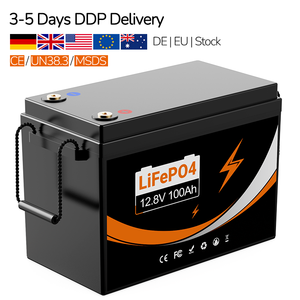
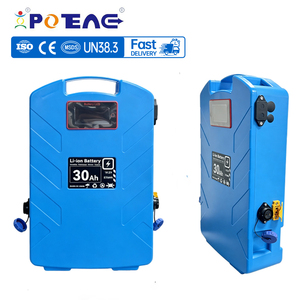
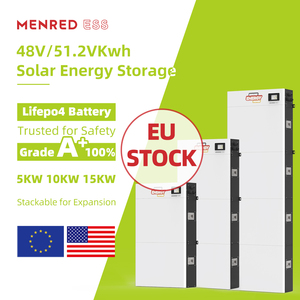
The global maritime industry is experiencing an unprecedented structural transition from traditional internal combustion auxiliary generators and legacy AGM/gel lead-acid batteries toward high-density, marine-grade Lithium Iron Phosphate (LiFePO4) and customized Lithium-Ion battery architectures. Commercial vessel operators, workboat builders, electric yacht OEMs, and offshore marine equipment vendors demand energy storage systems capable of delivering extreme discharge rates, rapid recharge cycles, and zero maintenance operating profile under severe thermal and mechanical stresses.
As a premier certified manufacturer with over 40 years of specialized battery pack engineering expertise (established 1984), our enterprise delivers turnkey OEM (Original Equipment Manufacturer) and ODM (Original Design Manufacturer) custom battery solutions. We bridge the critical gap between raw battery chemistry and mission-critical maritime operations, operating under strict ISO 9001 compliance across North American, European, and Asian manufacturing locations.
Navigating harsh salt-spray corridors, high ambient mechanical vibration, and tight bilge spaces requires custom cell-to-pack integration that standardized consumer battery packs cannot achieve. This engineering whitepaper outlines the critical technical parameters, procurement criteria, and future hardware trends shaping the marine lithium energy storage sector.
A fundamental pillar of our E-E-A-T (Experience, Expertise, Authoritativeness, and Trustworthiness) model lies in our uncompromised cell sourcing strategy and rigorous failure-mode thermal modeling. Unlike unverified third-party pack assemblers, our engineering teams audit and integrate prime Grade-A prismatic and cylindrical cells exclusively from the world's most reputable cell manufacturers.
By maintaining direct global agreements with premier cell foundries alongside our parent organization (Ultralife Corporation), we guarantee absolute cell-to-cell capacity matching, minimal internal resistance (≤0.5mΩ variances), and full raw material traceability from raw lithium extraction to finished pack delivery.
Marine environments impose multi-vector stresses including moisture ingress, electrolytic galvanic corrosion, shock loading, and rapid temperature fluctuations. Our ODM engineering workflow offers comprehensive customization across every architectural layer:
Custom 316 Marine-Grade Stainless Steel, Anodized Aluminum, or heavy-duty reinforced ABS enclosures engineered with anti-vibration internal potting, hydrophobic gore vents, and salt-spray resistant powder coating.
Proprietary Battery Management Systems with integrated CAN bus (J1939), NMEA 2000 marine telemetry, and Modbus protocols. Enables real-time cell-level SOC, SOH, temperature monitoring, and remote diagnostics.
Engineered phase-change heat dissipation materials, internal aluminum cold plates, and liquid cooling channels designed to eliminate hot spots and prevent thermal runaway during sustained fast-charging.
Busbar design utilizing ultrasonic copper welding and heavy-gauge nickel plate interconnects to sustain continuous 3C discharge and continuous 5C peak surge currents for heavy electric winch and bow-thruster loads.
Scalable rack-mount and stackable voltage architectures ranging from standard 12V/24V/48V low-voltage auxiliary banks up to 700V+ high-voltage DC bus systems for hybrid commercial vessel propulsion.
Every custom marine battery design undergoes rigorous pre-certification testing covering thermal shock, altitude simulation, mechanical impact, forced short-circuit, overcharge protection, and salt fog testing.
Selecting the optimal battery chemistry is crucial for balancing weight, volume, safety, cycle life, and capital expenditure in commercial maritime projects. The table below illustrates key performance indicators across prominent marine energy storage chemistries:
| Performance Parameter | LiFePO4 (Lithium Iron Phosphate) | NMC (Nickel Manganese Cobalt) | LTO (Lithium Titanate) | Traditional AGM Lead-Acid |
|---|---|---|---|---|
| Gravimetric Energy Density | 140 - 180 Wh/kg | 200 - 260 Wh/kg | 70 - 100 Wh/kg | 30 - 45 Wh/kg |
| Cycle Life (@ 80% DoD) | 4,000 - 6,000+ Cycles | 1,500 - 2,500 Cycles | 15,000 - 20,000+ Cycles | 400 - 600 Cycles |
| Thermal Runaway Temperature | ~270°C (Extremely Safe) | ~210°C (Moderate Risk) | >300°C (Ultra Safe) | Thermal Outgassing Risk |
| NMEA 2000 / BMS Telemetry | Native Integration | Native Integration | Native Integration | External Sensor Only |
| Corrosion & IP Protection | IP67/IP68 Enclosure Option | IP67 Sealed Option | Heavy Industrial Casing | Vented / Acid Corrosion Risk |
| Optimal Marine Application | Yacht House Banks, Commercial Workboats, Energy Storage | High-Speed Racing Boats, Weight-Critical Craft | Continuous Fast-Charging Passenger Ferries | Legacy Auxiliary Backup (Phasing Out) |
B2B marine battery buyers, system integrators, and procurement directors must align their purchasing strategies with emerging technological vectors to avoid asset obsolescence and maintain compliance with IMO (International Maritime Organization) decarbonization mandates. Key trends shaping future procurement include:
The integration of solid inorganic electrolytes into marine battery packs represents the next quantum leap in marine electrification. Solid-state technology eliminates flammable organic liquid solvents entirely, virtually preventing thermal runaway while pushing gravimetric energy densities past 400 Wh/kg. Expect initial commercial adoption in deep-sea research submersibles and naval applications by 2027.
Modern commercial marine fleets are moving beyond basic local battery state-of-charge monitors. Future OEM procurement contracts increasingly specify cloud-connected BMS architectures that transmit real-time cell parameters via satellite or 5G offshore networks. Machine learning algorithms analyze degradation slopes, impedance spikes, and usage patterns to predict maintenance requirements weeks before actual component failure occurs.
European Union battery regulations and global ESG frameworks now require marine battery suppliers to provide full carbon footprint transparency and end-of-life battery recycling pathways. OEM/ODM suppliers who provide certified take-back programs and modular pack disassembly capabilities will dominate marine tender selections over the next decade.
Whether you are designing a high-speed electric vessel, upgrading a commercial marine fleet house bank, or building specialized offshore oceanographic equipment, our engineering team is ready to deliver a certified custom lithium power solution.
Get a Quote