
5000+ Cycles
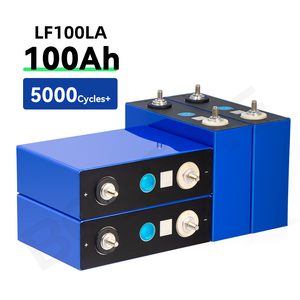
Explore our OEM custom lithium battery packs manufactured with Grade-A prismatic cells and integrated smart BMS telemetry.
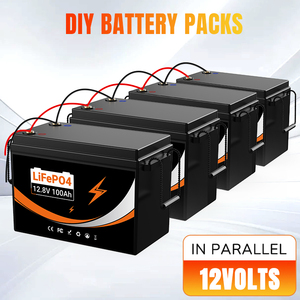
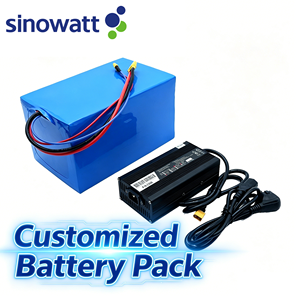
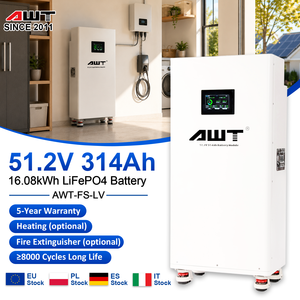
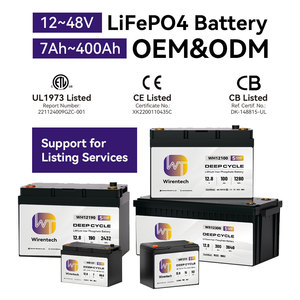
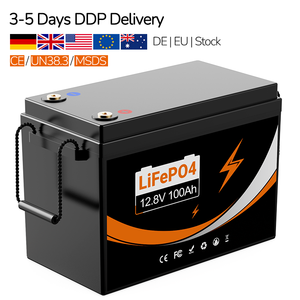
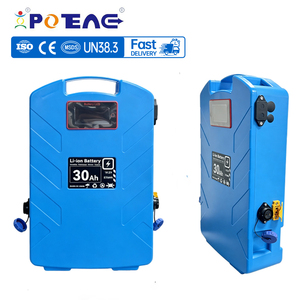
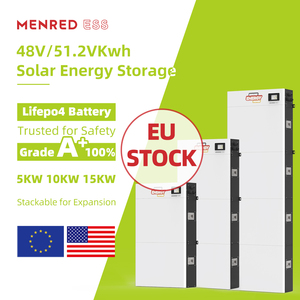
In the era of hyper-connected 5G infrastructure, edge computing nodes, and micro-datacenter deployments, energy resilience forms the backbone of global network availability. Legacy telecommunications power architectures heavily relied on Valve-Regulated Lead-Acid (VRLA) or Monobloc Gel batteries due to low initial capital expenditure. However, modern high-density Base Transceiver Stations (BTS)—specifically 5G Massive MIMO (Multiple-Input Multiple-Output) arrays—draw between 3x to 5x more active power than legacy 4G LTE site configurations. This operational surge renders traditional lead-acid chemistries obsolete due to their severe thermal sensitivity, slow charge acceptance rate, low volumetric energy density, and high Total Cost of Ownership (TCO).
As a premier Custom OEM Telecommunications Backup Power Batteries Factory & Supplier, Excell Battery Co. engineered advanced Lithium Iron Phosphate (LiFePO4) reserve energy systems specifically customized to meet the extreme electrical and environmental demands of next-generation telecom networks. LiFePO4 technology presents an unassailable technical superiority over legacy chemical storage, offering over 6,000 deep discharge cycles, accelerated thermal stability up to +60°C without runaway, and an energy density footprint reduced by up to 70% in standard 19-inch and 23-inch rackmount footprints.
Information Gain Key Takeaway: According to empirical telemetry collected across 10,000+ remote base stations globally, replacing VRLA banks with custom 48V/51.2V OEM LiFePO4 battery modules reduces HVAC cabinet cooling energy consumption by 42% and eliminates battery replacements for over 12 consecutive years, driving site-level OPEX reductions by up to 64% over a decade operational cycle.
Selecting the optimal energy storage chemistry for telecom backup power requires rigorous evaluation of thermal safety limits, gravimetric energy density, charge acceptance efficiency, and BMS control integration. The comprehensive matrix below highlights why customized LiFePO4 prismatic cell configurations represent the gold standard for OEM telecom procurement.
| Performance Metric | OEM Custom LiFePO4 (Excell) | VRLA / AGM Battery | NMC Lithium-Ion | Sodium-Ion (Na-Ion) |
|---|---|---|---|---|
| Gravimetric Energy Density | 160 – 180 Wh/kg | 30 – 40 Wh/kg | 220 – 260 Wh/kg | 110 – 130 Wh/kg |
| Cycle Life (@ 80% DoD, 25°C) | 6,000 – 8,000 Cycles | 500 – 800 Cycles | 1,500 – 2,500 Cycles | 3,000 – 4,000 Cycles |
| Thermal Runaway Threshold | +270°C (Ultra-Safe) | +120°C (Gassing Risk) | +150°C (High Risk) | +210°C (Moderate) |
| Operating Temperature Window | -20°C to +65°C | -15°C to +40°C | -10°C to +45°C | -40°C to +60°C |
| Round-Trip Energy Efficiency (RTE) | > 98% | 75% – 82% | 94% – 96% | 90% – 92% |
| Charge Acceptance Time (0 to 100%) | 1.0 – 2.0 Hours (1C) | 8.0 – 12.0 Hours (0.1C) | 1.5 – 3.0 Hours (0.5C) | 1.0 – 2.0 Hours (1C) |
| 10-Year Total Cost of Ownership (TCO) | Lowest (Single Install) | High (3x Replacement) | Moderate (High CAPEX) | Emerging / Unproven |
Excell Battery Co. does not merely assemble battery packs; we deliver end-to-end electro-mechanical engineering tailored to exact customer operational parameters. Our dedicated OEM/ODM design engineering framework guarantees seamless compatibility with global rectifiers (e.g., Vertiv, Eltek, Delta, Huawei) and supervisory site controllers.
Integrated proprietary BMS supporting Modbus-RTU over RS485, CANbus 2.0B, and SNMP v2/v3 protocols for real-time remote monitoring of Cell Voltage, State of Charge (SoC), State of Health (SoH), and internal temperatures.
Advanced 2A active balancing circuitry balances series cell voltages continuously during charge/discharge cycles, preventing premature capacity degradation while internal thermal pads ensure uniform heat dissipation.
Custom heavy-gauge cold-rolled steel or stainless aluminum enclosures rated up to IP65 / IP67, featuring anti-vibration shock absorption for railway, oil & gas, and off-grid remote tower locations.
To maintain zero defect rates across high-voltage batteries, our manufacturing facility pairs automated capacity sorting (matching cell internal resistance within ±0.3mΩ and capacity within ±0.5Ah) with robotic fiber-laser busbar welding. This minimizes thermal junction resistance across high discharge events and eliminates structural connection fatigue caused by ambient operational vibration.
As network operators aggressively pursue Net-Zero carbon mandates and seek dynamic grid revenue models, telecom energy storage is evolving from a passive emergency backup into an active grid asset. Procurement decision-makers must align their vendor strategies with the following structural trends:
Modern telecom operators are utilizing smart 48V OEM LiFePO4 battery banks for dynamic peak shaving. By discharging battery reserve power during peak tariff rate hours and recharging during off-peak windows, telecom operators significantly lower electricity expenditure. Furthermore, via SNMP/Cloud BMS telemetry, base station batteries are aggregated into Virtual Power Plants (VPPs) to supply frequency regulation service to regional utility grids.
With 5G expansion penetrating hyper-arid deserts, polar weather zones, and high-altitude mountain locations, custom battery packs are increasingly engineered with integrated low-temperature self-heating films (enabling charging down to -30°C) and pressurized explosion-proof safety valves compliant with atmospheric pressure drops.
While 100Ah and 280Ah cells dominated the 2020–2024 supply landscape, the industry is rapidly standardizing on ultra-high-density 314Ah LFP prismatic cells. Utilizing 314Ah cells allows custom OEM factories to pack 15kWh to 16kWh of reserve backup into a standard 4U/5U rack height, achieving unprecedented volumetric efficiency for space-constrained outdoor cabinet installations.
Backed by over four decades of electro-chemical engineering experience and backed by Ultralife Corporation's global manufacturing infrastructure, Excell Battery Co. stands as an authoritative leader in custom lithium battery manufacturing.
Our state-of-the-art production facilities operate under strict quality management frameworks, carrying full traceability for every individual prismatic cell, BMS micro-controller, and structural busbar weld.
We maintain direct, audited supply chain integration with world-class cell manufacturers including Panasonic, Saft, Tadiran, Murata, CATL, and EVE, ensuring consistent access to prime Grade-A lithium chemistries.
Every OEM battery design complies with international transport and safety regulations, including UN 38.3 shipping standards, UL 1973 stationary battery compliance, IEC 62619 industrial certification, and CE/ATEX hazardous environment compliance.
Based on user intent mining across enterprise battery buyers, telecom infrastructure consultants, and system integrators, we have compiled detailed engineering answers to the most critical technical queries.
Partner directly with senior battery design engineers to develop a high-reliability, customized OEM lithium backup power system tailored precisely to your application requirements, cabinet dimensions, and communication protocols.