Standard and customized Lithium Iron Phosphate (LiFePO4) & Lithium-Ion battery modules engineered for high cycle stability, smart BMS integration, and extreme thermal resilience.
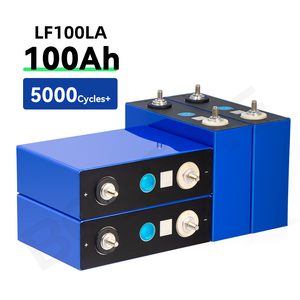
High-density prismatic LiFePO4 cells designed for 12V, 24V, and 48V custom battery packs. Superior cycle life for microgrids & RV energy backup.
Contact Us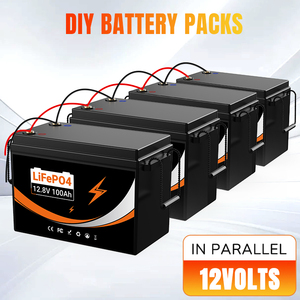
Modular 12V-300Ah / 24V stackable battery systems built with Grade-A prismatic cells for seamless grid energy storage and zero-tax EU shipping.
Contact Us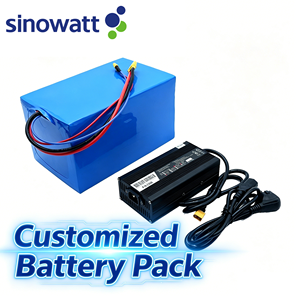
Flexible OEM configurations (10S1P, 7S2P, 3S10P) featuring advanced telemetry, active balancing, and extreme temperature protection for industrial loads.
Contact Us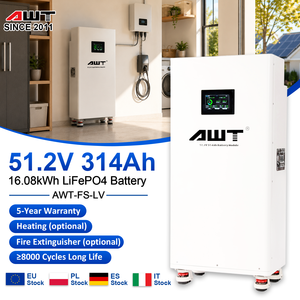
15kWh - 16kWh lithium-ion home and smart grid battery modules compatible with major hybrid inverters for seamless solar integration.
Contact Us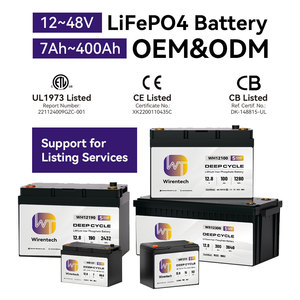
Scalable 50Ah to 300Ah deep-cycle rechargeable battery systems optimized for solar microgrids, marine power, and standby grid power.
Contact Us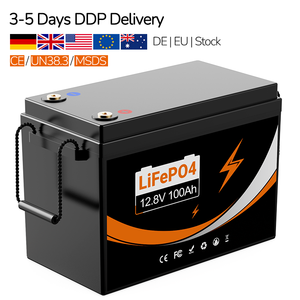
Duty-free warehouse stock engineered for rapid deployment in home energy storage, remote telecom towers, and smart grid sub-stations.
Contact Us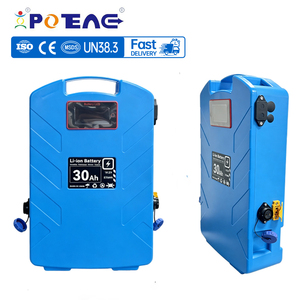
Ruggedized field storage pack for mobile smart grid inspection tools, remote sensor arrays, and outdoor emergency power setups.
Contact Us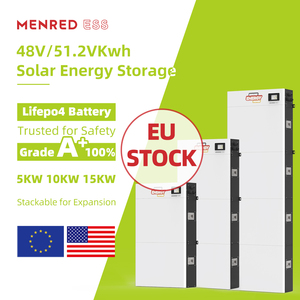
High-voltage expandable battery architecture delivering commercial-grade energy management, peak shaving, and uninterruptible backup power.
Contact UsThe global transition toward decentralized power grids, intermittent renewable energy integration, and electrification of industrial loads has fundamentally transformed stationary battery energy storage systems (BESS). Contemporary utility-scale grid operators and Commercial & Industrial (C&I) facility managers no longer rely on off-the-shelf, standardized battery packs. Instead, procurement strategies prioritize customized OEM/ODM engineering tailored to regional grid codes, precise charge/discharge C-ratings, advanced thermal environments, and complex battery management system (BMS) communications.
Strategic Takeaway: Modern smart grids demand high-voltage infrastructure (1000V–1500V DC) capable of millisecond-level response for frequency regulation, black-start capabilities, and dynamic peak shaving. Custom OEM manufacturing ensures direct alignment between chemical cell selection and localized grid dispatch protocols.
Custom OEM smart grid battery factories operate as critical technology integration hubs. By bridging the gap between raw electrochemical cell production (such as high-grade LiFePO4 prismatic cells) and complete turnkey BESS containerized units, custom manufacturers deliver optimized energy density, enhanced round-trip efficiency (RTE > 92%), and rigorous multi-layer safety architectures compliant with global utility mandates.
Ultra-fast millisecond power injection to stabilize grid frequency deviations and prevent cascading blackout events in localized distribution lines.
Automated charging during low-cost off-peak cycles and high-speed discharge during peak demand hours, lowering demand charges for industrial sites.
Seamless islanding functionality enabling remote industrial parks, military bases, and critical facilities to run autonomously when grid power fails.
Procurement directors and utility project developers are standardizing new purchasing frameworks to mitigate supply chain risks, guarantee long-term asset availability, and satisfy stringent environmental, social, and governance (ESG) standards. Key trends shaping procurement over the next decade include:
Utility-scale energy storage procurement is rapidly shifting from legacy 1000V DC topologies to 1500V DC systems. This evolution reduces balance-of-plant (BOP) cabling costs by up to 20%, lowers internal resistance losses, and significantly enhances power density within standard 20ft and 40ft modular shipping containers.
Lithium Iron Phosphate (LiFePO4) has solidified its position as the dominant energy storage chemistry due to its thermal stability, non-combustibility, non-toxic raw materials, and extended cycle life (exceeding 6,000 to 10,000 cycles under standard operating DoD). Simultaneously, procurement leads are evaluating Sodium-Ion (Na-ion) cell options for low-temperature applications and cost-sensitive stationary storage projects.
To eliminate geopolitical vulnerabilities and trade tariffs, international OEMs are adopting dual-track supply chains—combining high-volume cell fabrication in Asia with custom module assembly, enclosure integration, and testing in North America and Western Europe. Enterprise procurement teams enforce strict Tier-1 cell sourcing policies, requiring direct supplier audits of raw material lineage.
Leading EPCs no longer evaluate OEM suppliers based solely on initial capital expenditure ($/kWh). Instead, selection relies on total lifetime LCOS—factoring in cell degradation curves, HVAC auxiliary load consumption, warranty depth, and thermal management efficiency over a 15-to-20-year project lifespan.
Custom smart grid battery storage design requires multi-disciplinary engineering across electrochemical safety, high-voltage electrical design, liquid thermal management, and cloud IoT telemetry. Modern OEM factories must meet the following technology benchmarks:
Liquid cooling plate systems maintain cell-to-cell thermal delta within ≤2°C across large 300Ah+ prismatic cells. This prevents localized hot spots, extends pack life by 20%, and lowers operational parasitic power consumption compared to conventional HVAC forced-air cooling.
Next-generation Battery Management Systems feature embedded edge computing and cloud analytics. Real-time impedance measurement, active cell balancing, and predictive internal short-circuit detection minimize system downtime and optimize SOC/SOH reporting.
Comprehensive thermal runaway fire testing at the cell, module, and unit level ensures that catastrophic thermal propagation is fully contained. Built-in aerosol fire suppression and deflagration venting are mandatory standard features for utility-grade compliance.
When selecting a qualified OEM storage factory, evaluation against key industrial parameters ensures project longevity and regulatory safety compliance:
With over four decades of specialized battery engineering experience, our integrated manufacturing footprint combines North American engineering excellence with scalable, cost-competitive global supply chain infrastructure. Backed by ISO 9001 quality standards and parent organization strength (Ultralife Corporation), we partner with world-leading cell suppliers to construct uncompromised energy storage products.
Advanced production and engineering facilities located in Surrey (Vancouver, BC), Calgary (AB), and Houston (TX), delivering regional technical support and emergency field service.
Direct strategic partnerships with top global cell manufacturers (including Panasonic, Saft, Tadiran, Samsung SDI, Murata, and Lishen) ensuring guaranteed cell availability and batch traceability.
Full lifecycle engineering support from electro-mechanical modeling, thermal simulations, custom enclosure prototyping, UN 38.3 transport certification, to serial manufacturing.
Addressing critical engineering, operational, and commercial questions for enterprise buyers and system integrators.
Need a custom battery storage solution for utility microgrids, commercial peak shaving, or extreme industrial environments? Our senior battery design engineers are ready to evaluate your technical requirements.