
Grade A LFP
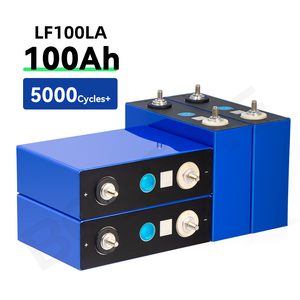
Grade A 5000 Cycles 3.2V 100AH LFP Prismatic Cells Lithium Battery Pack
- High-Density Prismatic Cell Architecture
- Voltage Options: 12V / 24V / 48V Modular Racks
- 5,000+ Deep Cycles @ 80% DoD
Fully customizable 19-inch rack-mount lithium iron phosphate (LiFePO4) battery packs designed for microgrids, commercial & industrial (C&I) storage, telecom base stations, and residential backup.
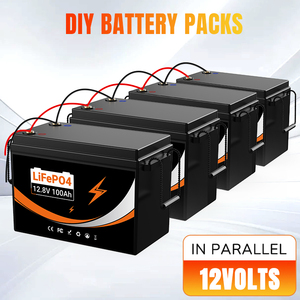
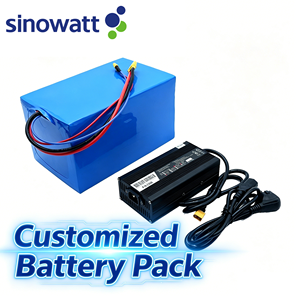
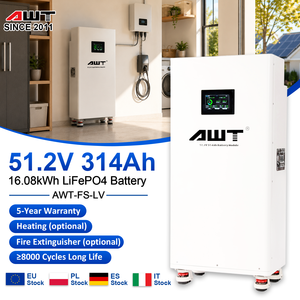
The global energy transition demands unprecedented reliability, thermal stability, and modularity in stationary battery energy storage systems (BESS). As a pioneer OEM/ODM manufacturer with over four decades of engineering legacy, we deliver custom rack-mount LiFePO4 (lithium iron phosphate) solutions built to standard 19-inch and 23-inch server rack enclosures. Our rack storage platforms are engineered to fulfill the operational envelopes of commercial and industrial (C&I) microgrids, remote telecom infrastructure, datacenter uninterruptible power supplies (UPS), and residential energy storage systems.
Information Gain Insight: Modern OEM procurement is shifting away from standardized off-the-shelf enclosures toward highly customizable, high-volumetric-density rack modules. By integrating 314Ah+ prismatic LFP chemistry directly with dynamic busbar geometries and active-balancing BMS protocols, system integrators achieve up to a 28% reduction in footprint and a 35% extension in cycle life.
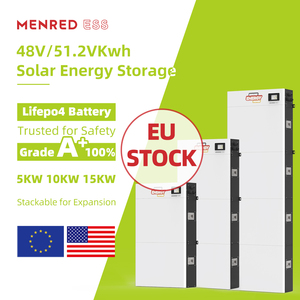
Engineered in standard 3U, 4U, and 5U rack chassis with energy densities exceeding 165 Wh/kg at the pack level, maximizing usable space inside server enclosures.
Proprietary Battery Management System equipped with Texas Instruments/NXP processors, offering redundant short-circuit, over-temp, over-voltage, and cell drift protection.
Multi-tier thermal barriers, aerogel insulation between prismatic cells, and integrated aerosol or liquid fire mitigation channels ensuring zero thermal runaway cascade.
Comprehensive benchmark of our standardized and customizable OEM rack energy storage module architectures.
| Specification Parameter | Standard 51.2V 100Ah (5.12kWh) | High-Density 51.2V 280Ah (14.3kWh) | Next-Gen 51.2V 314Ah (16.0kWh) | Custom OEM/ODM Range |
|---|---|---|---|---|
| Cell Chemistry & Form Factor | Grade A LiFePO4 Prismatic | Grade A LiFePO4 Prismatic | Grade A LiFePO4 Prismatic | LiFePO4 / Solid-State Hybrid |
| Rack Chassis Standard | 19-Inch 3U Enclosure | 19-Inch 4U Enclosure | 19-Inch 5U Enclosure | Custom 19" / 23" / Outdoor IP67 |
| Nominal Voltage / Operating Range | 51.2V (43.2V - 57.6V) | 51.2V (43.2V - 57.6V) | 51.2V (44.0V - 58.4V) | 12V to 800V High-Voltage (HV) Racks |
| BMS Communication Protocols | CANbus 2.0B / RS485 / RS232 | CANbus / RS485 / Modbus RTU | CANbus / RS485 / Ethernet SNMP | Custom Firmware / Modbus TCP / Wifi |
| Inverter Compatibility | Victron, SMA, Growatt, Deye | Solis, GoodWe, Sofar, Luxpower | Schneider, Megarevo, Sungrow | 100% Custom Protocol Mapping |
| Expected Cycle Life (25°C) | ≥ 6,000 Cycles @ 80% DoD | ≥ 6,500 Cycles @ 80% DoD | ≥ 8,000 Cycles @ 70% DoD | Tailored to Application Envelope |
| Thermal & Safety Compliance | UN38.3, CE, IEC62619 | UL1973, UL9540A Test Passed | UL1973, IEC62619, CE, UN38.3 | Full Certification Support |
The global stationary storage market is undergoing a seismic shift driven by industrial decarbonization, grid volatility, and the proliferation of renewable power generation. System integrators, EPC contractors, and B2B brand owners must navigate several critical technological shifts over the coming decade:
The market is rapidly transitioning from legacy 50Ah/100Ah cells toward 280Ah, 314Ah, and 320Ah prismatic LiFePO4 cells. This transition dramatically decreases internal connection points, reduces BMS wiring complexity by up to 60%, and significantly enhances system-level reliability.
While 48V/51.2V low-voltage (LV) systems remain dominant in residential backup, commercial microgrids are adopting high-voltage stacked rack architectures (200V–800V DC). HV racks reduce copper cabling losses, enhance inverter efficiency up to 98.2%, and simplify mega-watt hour containerized installations.
Modern B2B purchasers demand edge-computing BMS solutions capable of cloud telemetry (IoT), real-time State of Health (SoH) degradation tracking, and predictive thermal diagnostics using machine learning algorithms to prevent failures before they occur.
Regulatory compliance is intensifying globally. Tier-1 procurement mandates rigorous cell-to-pack UL 9540A fire safety testing, UN 38.3 transport certification, and IEC 62619 approvals. OEM partners must deliver pre-tested modules to streamline final system certification.
European and North American buyer mandates require complete supply chain transparency. OEMs must ensure audited cell sourcing from ethical suppliers, recycled content integration, and clear end-of-life battery passport data compliance.
Emerging sodium-ion (Na-Ion) rack modules offer unprecedented sub-zero thermal operational limits (-40°C to 60°C) for extreme climate deployments, while semi-solid-state lithium packs provide ultra-high energy densities for constrained indoor telecom vaults.
Backed by extensive North American engineering heritage and global strategic manufacturing operations, we provide B2B clients, OEMs, and brand owners with end-to-end custom battery engineering—from initial conceptual CAD modeling to PCB BMS layout, thermal simulations, automated laser welding, and white-label branding.
Trusted Global Cell Partnerships: We maintain strategic direct supply relationships with audited cell manufacturers including Tadiran, Saft, Panasonic, CATL, EVE, Murata, Lishen, Molicel, Samsung SDI, LG Energy Solution, and Duracell—ensuring 100% genuine Grade A cells with full traceability logs.
Whether your application requires ATEX/HAZLOC certified explosion-proof battery packs for oil & gas, ultra-precise battery modules for medical devices, downhole MWD/LWD drilling packs, or high-capacity rack storage systems—our engineering team ensures strict adherence to ISO 9001:2015 quality standards.

Clear, authoritative answers to help purchasing managers, technical directors, and OEM buyers evaluate custom rack battery projects.
Our typical OEM MOQ for customized rack-mount modules begins at 50 to 100 units depending on the level of customization. Non-Recurring Engineering (NRE) fees cover specialized sheet metal tooling, custom BMS PCB mask design, and pre-testing. NRE fees are fully refundable upon reaching agreed annual order volumes.
Our smart BMS platforms feature dual CANbus and RS485 channels pre-programmed with auto-matching protocols for top inverter brands (including Victron, Growatt, Deye, Solis, Luxpower, SMA, and Schneider). Custom proprietary protocols can be flashed into the firmware during assembly or updated via RS232/Ethernet service ports.
Every OEM module features structural cell separation using flame-retardant epoxy plates, shock-absorbing silicone pads, and integrated thermal insulation sheets. At the electrical level, the BMS provides multi-point NTC temperature sensing (cell, ambient, and MOSFET sensors) with automatic cut-off and optional aerosol thermal suppression systems.
Yes. All of our production modules undergo rigorous UN 38.3 testing protocols, including altitude simulation, thermal testing, vibration, shock, external short circuit, impact, overcharge, and forced discharge. UN 38.3 test summary reports are delivered with every mass production batch.
Absolutely. We offer complete ODM cosmetic customization including custom sheet-metal colors (powder coating/anodizing), laser-etched or silk-screened logos, custom LED indicator layouts, color touchscreen displays, and branded handle hardware to match your corporate identity.
We strictly utilize 100% new Grade A prismatic cells directly sourced from top cell manufacturers. Every cell undergoes automated incoming inspection where internal resistance (AC/DC IR), voltage, and capacity are matched within a 0.05% tolerance band before laser busbar welding.
We back our rack energy storage systems with standard 5-year to 10-year prorated warranties. In the event of a warranty claim, our smart BMS remote diagnostic logs facilitate quick fault analysis. We supply replacement BMS boards, modules, or spare components directly from our nearest regional warehouse (North America or Europe).
For standard rack enclosure designs with existing BMS architectures, functional prototype samples are delivered within 3 to 4 weeks. Fully customized enclosures with complex multi-layer BMS designs generally take 6 to 8 weeks from final engineering sign-off.
Accelerate your time-to-market with precision-engineered 19" rack battery storage. Consult directly with our senior battery design engineers today to get custom technical proposals, CAD drawings, and volume pricing.