Custom OEM Asset Tracking GPS Batteries Manufacturer & Supplier

Precision-engineered Lithium Thionyl Chloride (LiSOCl2), LiFePO4, and Li-ion power solutions optimized for multi-year IoT telemetry, cold chain monitoring, heavy fleet logistics, and hazardous location tracking.

High-Reliability Telematics Power

Featured OEM Asset Tracking Battery Systems

Explore our industrial-grade custom battery configurations engineered specifically for long standby durations, high pulse transmission currents, and rugged environmental resilience.
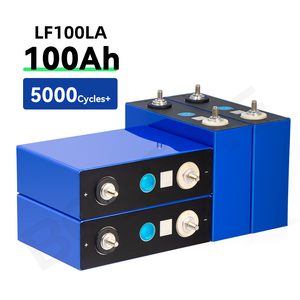
LiFePO4 Fleet Tracking Grade A 5000 Cycles 3.2V 100AH LFP Prismatic Cells Lithium Iron Phosphate Battery

Grade A 5000 Cycles 3.2V 100Ah LFP Cell Pack for Heavy Fleet GPS Systems

  • Nominal Voltage: 3.2V / 12V / 24V
  • Cycle Life: >5000 Cycles @ 80% DoD
  • Application: Long-Haul Telematics Power
Inquire Now
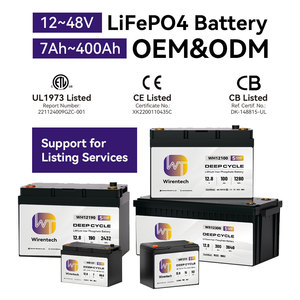
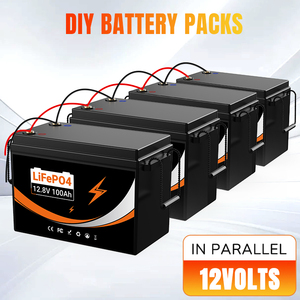
High Capacity Telematics 12V 24V Heavy Duty Asset Tracking Battery Pack

EU Stock Heavy-Duty Fleet GPS Tracker LiFePO4 Battery Pack 12V 24V

  • Capacity Range: 100Ah to 300Ah
  • BMS Protection: Overcharge/Thermal
  • Certifications: CE, UN38.3, IEC62133
Inquire Now
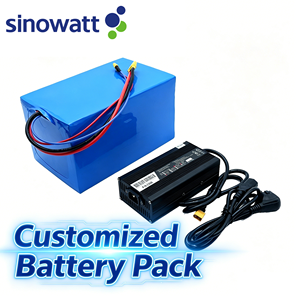
Custom OEM Modular Customized OEM Battery Pack with BMS for Industrial GPS Tracking

Customized OEM Battery Pack with Smart BMS for Compact Container Beacons

  • Configurations: 3S2P, 7S2P, 10S1P
  • Low Self-Discharge: <1% per Year
  • Feature: Custom Form Factor & Cable
Inquire Now
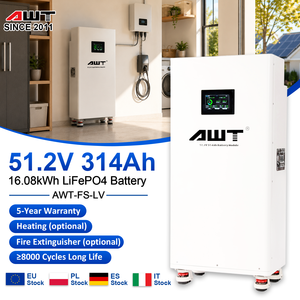
Centralized Gateway High Energy Density Centralized Asset Gateway Battery Pack

High Energy Density Asset Hub Battery Pack 48V 51.2V Telematics Base System

  • Energy Capacity: 15kWh to 30kWh
  • Cell Chemistry: LiFePO4 Prismatic
  • Communication: CANbus / RS485 / IoT
Inquire Now
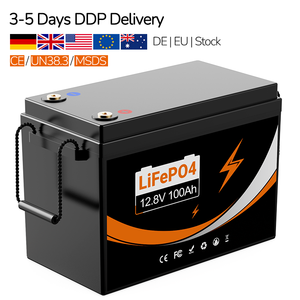
Marine & Outdoor Ruggedized 12V 24V Rechargeable LiFePO4 Marine Battery

Ruggedized Waterproof 12V 24V LiFePO4 Battery for Marine Container Tracking

  • Ingress Protection: IP67 Waterproof
  • Operating Temp: -30°C to +65°C
  • Application: Marine & Trailer Beacons
Inquire Now
Long Standby Telematics Industrial Long-Standby Telematics Lithium Battery Unit

Industrial Long-Standby Telematics Lithium Power Module 12V 200Ah

  • High Energy Density Packaging
  • Integrated Pulse Capacitor Option
  • Target Market: Asset Tracking Gateways
Inquire Now
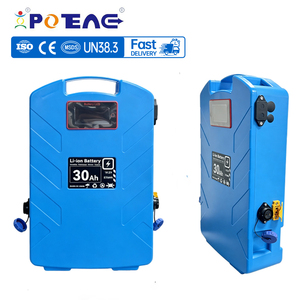
Portable Telematics Pack High Capacity 19.2V 30Ah Lithium LiFePO4 Portable Pack

High Capacity 19.2V 30Ah LiFePO4 Pack for Remote Field GPS Transmitters

  • Voltage Platform: 19.2V Nominal
  • Ruggedized Casing: Drop & Shock Resistant
  • Design: Portable Field Equipment
Inquire Now
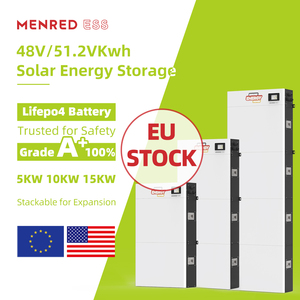
Modular Telematics Storage Modular Multi-kW Base Station Asset Tracking Lithium Battery

Modular Multi-kW Base Station Asset Management Lithium Battery Unit

  • Scalable Power: 5kW to 50kW Stackable
  • Smart Cloud Telemetry Integration
  • Ideal For: Unattended Remote Sites
Inquire Now
10-15
Years Operational Life
<1%
Annual Self-Discharge Rate
-55°C~+85°C
Extreme Temp Operating Window
ISO 9001
Certified Quality Facilities
Technical Whitepaper & Engineering Guide

Engineering Next-Generation Power Architectures for Asset Tracking GPS Devices

An authoritative analysis on electrochemistry selection, pulse discharge optimization, thermal endurance, and OEM custom battery pack integration for global supply chain visibility.

1. Executive Overview: The Critical Role of Custom Power in GPS Telematics

Modern asset tracking devices are no longer simple periodic pingers; they have evolved into multi-sensor telematics nodes equipped with 4G LTE-M/NB-IoT cellular modems, Satellite communication modules (Iridium/Globalstar), Bluetooth Low Energy (BLE) beacons, ambient temperature logging, impact/g-force detectors, and digital tamper switches. Whether deployed on intermodal shipping containers, refrigerated cold-chain cargo trailers, unpowered railcars, heavy rental equipment, or oilfield skid units, the absolute single point of failure in asset visibility is the chemical power source.

Standard off-the-shelf alkaline or generic lithium batteries frequently fail under real-world logistical stress due to passive passivation, rapid capacity degradation under high pulse loads (such as cellular network handshakes), and extreme thermal fluctuations encountered between maritime transit and desert freight corridors. As a specialized custom OEM asset tracking GPS batteries manufacturer and supplier, our engineering core centers on custom battery pack assembly, tailored battery management safety circuits (PCM/BMS), and specialized cell sorting designed for 5 to 15-year maintenance-free service lives.

Information Gain Key Insight: Cellular transmission bursts (2G/4G/5G NB-IoT) demand instantaneous pulse currents up to 2.0A for 10ms–50ms durations. Without a properly paired Hybrid Pulse Capacitor (HPC) or optimized low-internal-resistance (ESR) cell architecture, primary Lithium Thionyl Chloride batteries suffer severe voltage delay and premature cutoff long before their rated milliamp-hour (mAh) capacity is expended.

2. Electrochemistry Selection Matrix for Asset Tracking Beacons

Selecting the optimal electrochemical pairing requires balancing operational maintenance expectations (rechargeable vs. non-rechargeable primary power), volumetric energy density (Wh/L or Wh/kg), pulse transmission profile, and environmental temperature thresholds. Below is an engineering comparison matrix evaluated by our internal testing labs:

Chemistry System Nominal Voltage Energy Density Operating Temp Range Self-Discharge Rate Ideal Telematics Use Case
LiSOCl2 + HPC (Hybrid)
Primary / Non-Rechargeable
3.6V Platform 400 - 650 Wh/kg -55°C to +85°C < 1.0% / year Unpowered Assets, Container Beacons, Railcars (10-15 Year Lifespan)
LiMnO2 (Lithium Manganese)
Primary / Non-Rechargeable
3.0V Platform 280 - 400 Wh/kg -40°C to +70°C < 1.5% / year Medium-Duty Asset Beacons, High Pulse Without Delay
LiFePO4 (LFP)
Secondary / Rechargeable
3.2V (12.8V Pack) 120 - 160 Wh/kg -20°C to +65°C < 3.0% / month Powered Fleet Logistics, Solar-Assisted Trailer Trackers (>4000 Cycles)
Li-ion (NMC / LCO)
Secondary / Rechargeable
3.7V Platform 200 - 260 Wh/kg -20°C to +60°C < 5.0% / month Compact Personal Trackers, High-Frequency Active GPS Tags

3. Product Development & Technological Trends in Telematics Power Solutions

As IoT tracking devices become smaller, smarter, and more autonomous, battery manufacturing technology has undergone four major structural shifts:

A. Pulse Capacitor Hybrid Systems (HPC / HLC)

Primary LiSOCl2 cells provide unmatched energy density and ultra-low self-discharge rates, but high-current pulses trigger voltage delay due to protective surface passivation. Integrating a low-ESR Hybrid Pulse Capacitor (HPC) or Pulse Battery Unit in parallel acts as an instant energy reservoir, supplying up to 3A pulses for 5G/satellite transmissions without depleting the main cell's voltage stability.

B. Ultra-Wide Operational Temperature Range

Global supply chains transit through extreme environmental gradients—from -40°C arctic winter shipping to +85°C internal container baking in desert ports. Custom OEM electrolyte formulations prevent thermal runaway, freeze-induced impedance spikes, and mechanical internal separator degradation under continuous shock and vibration.

C. Micro-BMS & Deep-Sleep Microamp Current Management

For rechargeable asset trackers connected to auxiliary power (e.g., trailer light harness or tractor power), specialized PCM/BMS circuitry restricts parasitic standby drain to <2µA during prolonged unpowered storage. Integrated protection guards against short-circuit, over-discharge, overvoltage, and reverse polarity hazards.

D. Ruggedized Form Factors & IP68 Encapsulation

Asset trackers operating on chassis frames or construction machinery face high g-force vibrations and moisture ingress. Custom ultrasonic plastic enclosures, flame-retardant epoxy potting, and nickel-tabbed vibration damping ensure reliable electrical contact even under continuous impact forces.

4. Future Sourcing & Procurement Trends in OEM Battery Manufacturing

B2B telemetry hardware buyers and logistics hardware procurement teams are shifting away from fragmented off-the-shelf battery sourcing toward direct OEM custom engineering partnerships. Key global procurement trends include:

  • Direct Tier-1 Cell Traceability: Major IoT fleet operators mandate zero mixed-batch cell sourcing. OEM custom suppliers must provide certified cell grading from audited tier-1 manufacturers (such as Tadiran, Saft, Panasonic, Molicel, and Samsung SDI).
  • Compliance & Global Logistics Readiness: Strict dangerous goods transport regulations require full UN 38.3 shock/vibration/altitude simulation test compliance, IEC 62133 safety certification, and UL 1642 / UL 2054 recognition prior to commercial deployment.
  • Form-Factor Co-Design: Modern asset trackers require custom L-shaped, ultra-thin pouch, or cylindrical array battery configurations to fit aerodynamic tracking enclosures without compromising battery capacity.
  • Total Cost of Ownership (TCO) Optimization: Spending 15% more upfront on high-reliability electrochemistry with integrated pulse capacitors eliminates catastrophic field service recalls and manual battery replacement costs across thousands of deployed assets.
Why Partner With Us

OEM Manufacturing & Engineering Superiority

Combining over four decades of custom battery engineering expertise with state-of-the-art North American and global manufacturing infrastructure.

ISO 9001 Certified Quality Control

Every single custom OEM battery pack undergoes automated 100% End-of-Line (EOL) testing, internal resistance sorting, micro-weld verification, and thermal burn-in screening to guarantee zero defects upon arrival at your assembly plant.

Turnkey Engineering & Custom Tooling

From initial rapid 3D CAD mechanical casing design and wire harness selection to custom BMS firmware tailoring and UN38.3 shipping compliance submission, our engineering team operates as an extension of your R&D department.

Global Supply Chain & Buffer Stocking

With strategic warehousing and production facilities across North America and Europe, we provide flexible JIT delivery schedules, safety stocking agreements, and localized technical support to mitigate global component shortages.

Buyer's Sourcing Guide

Frequently Asked Questions (FAQ)

Technical, operational, and commercial answers for hardware engineers, supply chain directors, and procurement managers evaluating GPS tracking battery systems.

Why is primary Lithium Thionyl Chloride (LiSOCl2) preferred over alkaline or rechargeable Li-ion for long-term asset tracking?

LiSOCl2 primary batteries offer the highest energy density of any commercial chemistry (up to 650 Wh/kg and 3.6V nominal platform) alongside an ultra-low self-discharge rate (<1% per year at 20°C). This allows unpowered asset tracking beacons (such as intermodal container or railcar trackers) to operate reliably for 10 to 15 years on a single battery pack without requiring auxiliary charging sources or field replacements.

What is battery passivation, and how does your custom manufacturing solve voltage delay?

Passivation is a natural protective lithium chloride (LiCl) film that forms on the lithium anode in LiSOCl2 cells, preserving shelf life over long periods. However, when the GPS tracker wakes up to transmit a high-current cellular pulse (e.g., 1A to 2A), passivation causes a temporary voltage drop (voltage delay) that can trigger premature low-battery shutoff. We solve this by integrating parallel low-ESR Hybrid Pulse Capacitors (HPC) or custom pulse-buffering circuitry into our OEM battery packs to immediately handle high peak loads.

Can you manufacture custom battery packs according to our physical enclosure dimensions?

Yes. We specialize in complete turnkey OEM manufacturing. Our mechanical design team crafts custom 3D plastic housings, potted shrink wraps, custom nickel connector tabs, and flexible cabling to fit the exact mechanical envelope of your tracking device. We also engineer waterproof IP67/IP68 sealed casings for extreme outdoor exposures.

What certifications do your asset tracking GPS batteries possess for international logistics?

Our battery designs undergo comprehensive safety compliance testing. Standard certifications include UN 38.3 (Transport Safety Testing for Lithium Metal and Lithium-Ion), IEC 62133, CE, RoHS, REACH, and UL 1642 / UL 2054. For oil, gas, and chemical mining applications, we also manufacture ATEX and HAZLOC-compliant intrinsically safe battery packs.

What is the standard lead time and Minimum Order Quantity (MOQ) for custom OEM battery production?

For custom engineering prototypes, initial functional samples are typically delivered in 2 to 4 weeks. Full production runs depend on customized tooling requirements, with standard lead times between 6 and 8 weeks. We offer flexible B2B minimum order quantities tailored to project scale, ranging from prototype validation batches to mass-market production runs.

How do extreme cold or high temperatures affect GPS battery performance?

Cold temperatures increase internal battery resistance, causing rapid voltage drop during current spikes, while extreme heat accelerates self-discharge and chemical degradation. Our specialized wide-temperature formulations operate stably from -55°C up to +85°C, ensuring continuous telemetry reporting across refrigerated cold chains and desert shipping environments.

Accelerate Your Custom GPS Battery Development

Talk directly with our battery design engineers to evaluate your power consumption budget, select the ideal electrochemistry, and receive a customized OEM prototype proposal.

Inquire Now