CE Certified Microgrid Energy Storage Solutions Manufacturer & Supplier
Precision-engineered lithium battery packs, high-voltage C&I energy storage systems, and custom modular LFP architectures optimized for off-grid resilience, peak shaving, and clean microgrid integrations globally.
Featured Microgrid & ESS Battery Solutions
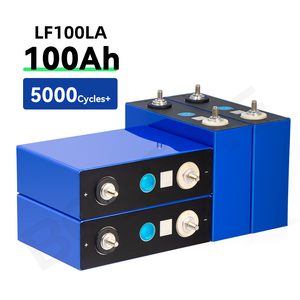
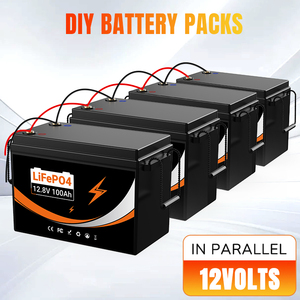
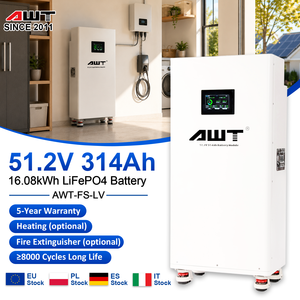
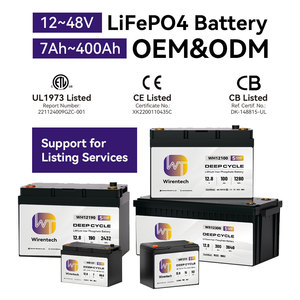
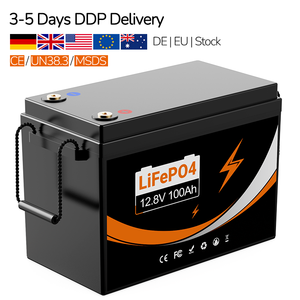
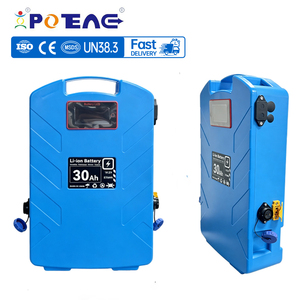
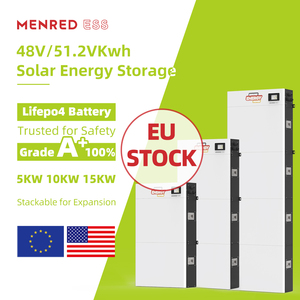
Explore our CE certified, high-cycle LiFePO4 prismatic cell battery packs and modular solar energy storage systems designed for residential, industrial, and microgrid deployments.
Why Leading Global Energy Contractors Select Our Microgrid Systems
Combining over four decades of specialized battery manufacturing experience with strict European quality certifications and Tier-1 supply chain relationships.
40+ Years of Precision Battery Engineering
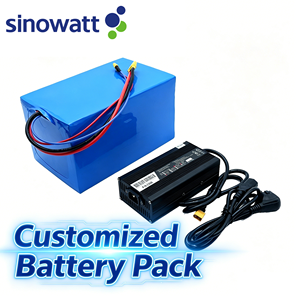
Founded on rigorous electrochemical research and engineering standards, our manufacturing ecosystem delivers end-to-end custom battery pack development. Serving oil & gas, medical devices, defense, and C&I renewable microgrids, we provide field-proven reliability where power failure is not an option.
ISO 9001 Quality System & Full CE Compliance
Every microgrid energy storage system (ESS) leaving our production floor undergoes 100% automated end-of-line (EOL) testing, insulation resistance validation, thermal stress simulation, and full CE standard compliance (EN 62477-1, EN 61000-6-2/4) to guarantee zero-defect deployment.
Strategic Partnerships with Tier-1 Cell Manufacturers
We source premium Grade-A prismatic LFP and Li-ion cells directly from audited global partners including CATL, EVE, Saft, Tadiran, Panasonic, Murata, and Samsung SDI. This strategic cell access ensures tight capacity tolerance, minimal impedance deviation, and maximum thermal stability.
Our microgrid systems incorporate proprietary multi-tier Battery Management Systems (BMS) with active cell balancing, real-time State-of-Charge (SOC) / State-of-Health (SOH) calculation algorithms, CANbus/MODBUS communications, and multi-point aerosol fire mitigation safeguards.
Microgrid Energy Storage Systems (ESS): 2026–2032 Technological Evolution Trends
The global energy landscape is undergoing a structural transition toward decentralized, resilient, and carbon-neutral power architectures. As municipal utility grids face increasing stress from extreme weather events and rapid electrification, CE Certified Microgrid Energy Storage Systems (ESS) have evolved from auxiliary backup assets into core infrastructure controllers capable of autonomous grid-forming, black-start restoration, and real-time frequency regulation.
From an electrochemical and system engineering perspective, the next decade of microgrid energy storage development is defined by four foundational technological shifts:
1. Transition to 314Ah+ Ultra-High-Capacity LFP Prismatic Cells
Microgrid developers are rapidly transitioning away from legacy 100Ah and 280Ah cell formats toward next-generation 314Ah and 320Ah Lithium Iron Phosphate (LiFePO4) prismatic cells. These cells increase volumetric energy density by over 12% without increasing the footprint of standard 20ft/40ft containerized ESS enclosures, dramatically lowering civil foundation and logistics expenditure.
2. High-Voltage (1000V–1500V DC) Bus Architectures
Moving from low-voltage (48V) to high-voltage (HV) battery strings operating between 700V and 1500V DC reduces C&I microgrid current requirements by up to 70%. Lower current translates directly to reduced ohmic copper losses, smaller cable cross-sections, higher round-trip efficiency (RTE > 92%), and seamless pairing with high-power Power Conversion Systems (PCS).
Air-cooled battery cabinets are being superseded by closed-loop liquid-cooling systems that maintain inter-cell temperature variances below 2.5°C. Combined with Cell-to-Pack (CTP) mechanical integration, liquid cooling extends battery calendar life past 15 years while offering superior resistance to thermal runaway cascades.
Microgrid Battery Technology Parameter Matrix
To assist procurement engineers and microgrid system integrators in evaluating battery performance parameters, the following matrix compares low-voltage modular storage against containerized high-voltage microgrid architectures:
Technical Parameter
Low-Voltage Modular Battery (48V / 51.2V)
High-Voltage Microgrid ESS (700V - 1500V)
Industry Benchmark Standard
Target Applications
Residential, Small Business, Telecom Towers
C&I Factories, Remote Communities, Mining
IEC 62619 / CE EN 62477-1
Cell Chemistry
LiFePO4 Prismatic (Grade A 100Ah/280Ah)
LiFePO4 Prismatic (314Ah / 320Ah High-Density)
RoHS & REACH Compliant
Cycle Life (@ 80% DOD)
5,000 – 6,000 Cycles
8,000 – 10,000 Cycles
ISO 12405 / UN38.3
System Round-Trip Efficiency
88% – 91%
93% – 95%
IEEE 1547 Grid Interconnection
BMS Communication Protocol
RS485, CANbus, Wi-Fi / Bluetooth
Modbus TCP/IP, Ethernet, IEC 61850
SunSpec / OpenADR 2.0b
Thermal Protection System
Passive Air-Cooling / Aluminum Heatsink
Active Liquid-Cooling + Aerosol Suppression
UL9540A Thermal Runaway Tested
Future Procurement Trends for Commercial & Industrial Microgrid Buyers
Procuring microgrid battery storage requires evaluating long-term Total Cost of Ownership (TCO), regulatory compliance frameworks, and supplier bankability. As commercial entity managers and energy service companies (ESCOs) structure power purchase agreements (PPAs), the following four procurement trends dictate buying behaviors:
Mandatory CE & Local Grid Code Compliance
European and international markets strictly enforce mandatory compliance with CE directives, including Electromagnetic Compatibility (EMC 2014/30/EU), Low Voltage Directive (LVD 2014/35/EU), and battery safety code IEC 62619. Procuring non-certified energy storage systems creates legal liability and invalidates commercial insurance policies.
Demand for Overseas Local Warehousing
Global supply chain volatility has made local stock availability a non-negotiable procurement requirement. Tier-1 buyers favor suppliers maintaining duty-paid inventory in European hubs (e.g., Germany, Netherlands) to eliminate lead times, tariff risks, and transit damage delays.
Virtual Power Plant (VPP) API Compatibility
Modern microgrid systems are expected to monetize surplus stored capacity by participating in regional electricity frequency response markets. Procurement teams prioritize battery suppliers providing open API keys and flexible Modbus registers for effortless cloud platform integration.
By partnering with experienced manufacturers like Excell Battery Co., procurement officers gain direct access to custom engineered battery packs backed by transparent cell traceability, rapid EU warehouse fulfillment, and dedicated lifecycle technical support.
Technical & Commercial Help Desk
Frequently Asked Questions (FAQ)
Get immediate, expert answers regarding microgrid engineering, CE certification criteria, warranty terms, and custom battery pack manufacturing.
Q1: What specific testing standards must a microgrid battery pass to earn CE Certification?
To achieve full CE certification for European microgrid deployment, a lithium battery storage system must comply with two primary regulatory pillars:
1) Low Voltage Directive (2014/35/EU): Evaluated via IEC 62619 / EN 62477-1 standards covering electrical insulation, short-circuit protection, thermal abuse resilience, and overcharge safety.
2) Electromagnetic Compatibility Directive (2014/30/EU): Verified via EN 61000-6-2 (Industrial Immunity) and EN 61000-6-4 (Emissions) to ensure the system neither generates nor suffers from electromagnetic interference when operating alongside high-frequency solar inverters and grid transformers.
Q2: Why are LiFePO4 (LFP) prismatic cells preferred over NMC cylindrical cells in microgrid applications?
Lithium Iron Phosphate (LiFePO4) chemistry offers intrinsic thermal stability, with a thermal runaway threshold exceeding 270°C compared to Nickel Manganese Cobalt (NMC) at ~210°C. Furthermore, LFP prismatic cells deliver significantly higher cycle lifetimes (6,000 to 10,000 cycles at 80% Depth of Discharge) and contain zero cobalt or nickel, lowering material supply risk and aligned with environmental ESG standards.
Q3: Can your 51.2V and stackable battery packs integrate with standard hybrid solar inverters?
Yes. Our smart Battery Management Systems (BMS) are pre-programmed with universal CANbus and RS485 communication protocols compatible with major market inverter brands including Victron Energy, SMA, SunGrow, Deye, GoodWe, Solis, Schneider Electric, and Growatt.
Q4: What is the typical lead time and shipping compliance for bulk microgrid order fulfillment?
For items in our EU/Germany warehouses, delivery takes 3 to 7 business days across mainland Europe with duty-paid DDP terms. For custom engineered OEM/ODM battery packs built in our ISO 9001 factories, prototype sampling requires 2 to 3 weeks, with mass production completing in 4 to 6 weeks. All lithium shipments are fully certified under UN 38.3 and dangerous goods (DG) Class 9 shipping requirements.
Q5: How does your proprietary Criterion BMS prevent thermal runaway in large battery banks?
Our multi-layer BMS continuously monitors single-cell voltage, inter-cell resistance, and ambient temperatures via multi-point NTC thermistors. If voltage deviations exceed 30mV or localized cell temperature surpasses 55°C, the system executes active current throttling or opens integrated solid-state contactors within milliseconds, activating internal alarms and isolating affected strings before thermal expansion can initiate.
Partner with an ISO 9001 & CE Certified Microgrid Manufacturer
Require custom microgrid engineering support, datasheet verification, or direct wholesale quotation? Connect with our engineering application team today.