Explore our certified primary Li-SOCl2 units and versatile LiFePO4 / Li-ion OEM battery modules built for extreme thermal tolerance, rapid pulse response, and extended operational longevity.
In demanding sub-surface, oceanic, and industrial automation environments, energy density and operational stability under thermal stress dictate mission success. Lithium Thionyl Chloride (Li-SOCl2) primary cells represent the highest practical volumetric and gravimetric energy density available in commercial electrochemistry.
Lithium Thionyl Chloride batteries rely on a metallic lithium anode and a porous carbon cathode immersed in a liquid thionyl chloride electrolyte acting as both solute and depolarizer: 4Li + 2SOCl2 → 4LiCl + S + SO2. The key enabling mechanism of this cell architecture is the spontaneous formation of a protective lithium chloride (LiCl) passivating layer upon the lithium anode surface immediately upon contact with the liquid electrolyte.
At elevated ambient temperatures (spanning 150°C to 200°C, typical in Measurement While Drilling (MWD) and Logging While Drilling (LWD) downhole tool strings), standard organic electrolyte systems break down or suffer from rapid self-discharge and internal shorting. High-temperature primary Li-SOCl2 cells are engineered with specialized liquid additives (such as halogenated inorganic salts and modified sulfur compounds) and proprietary glass-to-metal (GTM) hermetic seals. This prevents thermal degradation of the passivating layer and mitigates catastrophic gas generation at temperatures approaching the melting point of metallic lithium (180.5°C).
| Electrochemical Couple | Nominal Voltage | Energy Density (Wh/kg) | Max Temp (°C) | Passivation Behavior | Primary Application Target |
|---|---|---|---|---|---|
| High-Temp Li-SOCl2 (Specialized) | 3.65 V | 590 - 670 | +200°C | Controlled Passivation (LiCl) | MWD/LWD Downhole, Subsea Sensors |
| Standard Li-SOCl2 (Bobbin Construction) | 3.60 V | 500 - 600 | +85°C | Heavy Passivation over time | Smart Metering, Asset Tracking |
| Lithium Sulfuryl Chloride (Li-SO2Cl2) | 3.90 V | 400 - 480 | +150°C | Moderate Passivation | Military Radio, High Pulse Telemetry |
| Lithium Manganese Dioxide (Li-MnO2) | 3.00 V | 280 - 330 | +60°C | Negligible Passivation | Consumer Electronics, Medical IoT |
| Lithium Iron Phosphate (LiFePO4) | 3.20 V | 140 - 170 | +65°C | N/A (Rechargeable) | ESS Storage, RV, Light EV Packs |
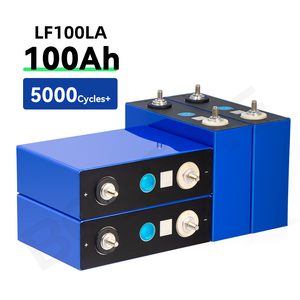
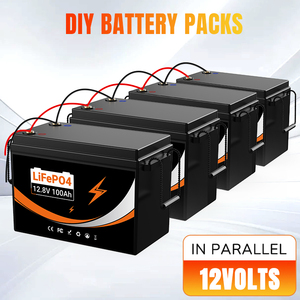
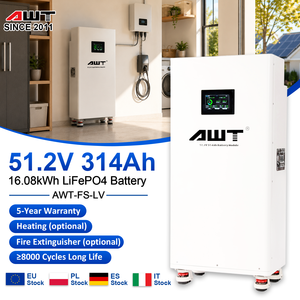
As highlighted in the engineering comparison matrix, while rechargeable solutions like LiFePO4 provide outstanding cycle longevity (up to 5000+ cycles) for terrestrial stationary energy storage and transport, primary non-rechargeable High-Temperature Lithium Thionyl Chloride batteries remain irreplaceable for autonomous high-temperature remote instrumentation where energy replacement is cost-prohibitive or physically impossible.
The global procurement landscape for specialized battery chemistry is undergoing structural shifts driven by ultra-deep geothermal exploration, subsea electrification, smart grid digitization, and stringent international safety standards.
To overcome the classic "voltage delay" phenomenon inherent to passivated Li-SOCl2 cells during sudden high-current bursts (such as satellite telemetry transmit pulses or downhole motor actuation), procurement engineers are increasingly mandating Hybrid Battery Capacitor Units (HLCs / Pulse Capacitors) paired in parallel with high-capacity bobbin-type primary cells.
Regulatory scrutiny around intrinsic safety in explosive atmospheres (Class I, Division 1 and ATEX Zone 0) has converted certification compliance from a competitive advantage into a mandatory qualification threshold. Sourcing directors are prioritizing factories offering fully certified cell enclosures, flame-retardant potting, and integrated thermal fuse protection.
Modern smart grid meters and remote pipeline inspection gauges demand proactive State-of-Health (SoH) monitoring. Sourcing specifications now frequently include Smart BMS telemetry chips capable of measuring internal dynamic impedance without inducing premature capacity depletion.
The market demand for CE Certified high-temperature primary thionyl chloride cells is projected to grow at a CAGR of 8.4% through 2032. Key technological drivers include:
Evaluating B2B battery manufacturers requires rigorous audit standards beyond basic price per watt-hour metrics. Below is the technical procurement framework utilized by leading engineering procurement departments.
| Audit Parameter | Standard Specification Target | Critical Verification Methodology | Failure Risk Mitigated |
|---|---|---|---|
| Hermetic Seal Integrity | Helium leak rate < 10⁻⁸ atm·cc/sec | Mass spectrometer helium leak testing | Electrolyte evaporation and internal corrosion |
| High-Temp Passivation Layer | Controlled voltage lag under load (>3.0V within 100ms) | Pre-discharge pulse screening under thermal load | Downhole tool telemetry dropouts |
| Vibration & Shock Rating | 30G random vibration, 1000G mechanical shock | Tri-axial shock table testing (MIL-STD-810G) | Internal electrode tab disconnection in drilling |
| Safety & UN 38.3 Compliance | Full UN38.3, CE, ATEX, IEC 60079-11 certification | Crush, impact, thermal shock, short-circuit chamber audit | Thermal runaway during international air/sea freight |
| Cell Provider Auditing | Direct tier-1 raw cell sourcing agreements | Batch-level material traceability & X-ray inspection | Counterfeit cells & premature battery pack fading |
Leveraging over four decades of custom lithium engineering expertise, our facilities unite specialized North American engineering rigor with agile global production scale to deliver flawless power solutions for mission-critical applications.
Operating with over 40 years of continuous custom lithium battery engineering leadership (ISO 9001 certified quality management systems), our manufacturing protocols adhere to strict military, medical, and aerospace quality assurance standards. Every high-temperature pack undergoes 100% automated voltage, impedance, and thermal seal inspection before dispatch.
We maintain direct, audited supply chain partnerships with the world's leading primary and secondary cell manufacturers — including Tadiran, Saft, Electrochem, Murata, Panasonic, Samsung SDI, Molicel, LG Energy Solution, and GP Batteries. This ensures zero risk of grey-market cells and guarantees top-tier batch consistency.
Our custom engineering team excels in designing battery packs for extreme operating envelopes — including MWD/LWD oil & gas downhole tools, pipeline inspection gauges (PIGs), oceanographic sensors, and explosion-proof HAZLOC / ATEX certified industrial instrumentation.
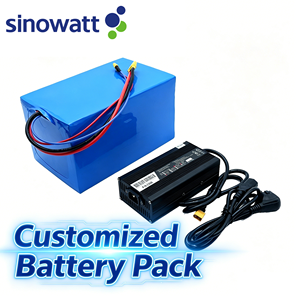
From initial cell chemistry selection and structural mechanical CAD design to custom electronic Battery Management System (BMS) development, smart fuel gauging, and UN 38.3 transport certification compliance, we deliver turn-key power solutions tailored to your operational specifications.
Detailed technical answers addressing common procurement inquiries, certification criteria, shipping regulations, and operational parameters for high-temperature primary lithium cells.
Standard lithium batteries use organic liquid electrolytes that vaporize or thermally decompose above 85°C. High-temperature Li-SOCl2 cells utilize a non-flammable inorganic liquid electrolyte combined with specialized glass-to-metal (GTM) hermetic seals, stainless steel (316L) external casings, and proprietary electrolyte stabilization additives. This chemical structure prevents thermal runaway and maintains structural seal integrity even when ambient temperatures approach the metallic lithium melting point of 180.5°C.
Bobbin Construction: Features a single central cylindrical anode and a thick carbon porous mass. It maximizes active chemical volume, yielding high energy density (up to 650 Wh/kg) and exceptionally low self-discharge (<1% per year), making it ideal for low-current continuous applications lasting 10 to 20 years.
Spiral-Wound Construction: Utilizes rolled thin electrodes to dramatically expand total surface area. This enables much higher continuous and pulse current delivery, which is required for heavy telemetry transmitters, motors, and high-frequency acoustic downhole tools, albeit with a slightly higher self-discharge rate (~2–3% per year).
Passivation is a thin lithium chloride (LiCl) film that naturally forms on the lithium anode to protect the cell from rapid self-discharge during storage. However, under sudden load, this layer creates a temporary "voltage delay" (initial voltage dip below operating threshold). In high-temperature and pulse applications, voltage delay is mitigated by applying a pre-discharge depassivation routine, pairing the battery pack with a parallel Hybrid Layer Capacitor (HLC), or adjusting electrolyte dopants during factory assembly.
International logistics for primary lithium batteries require full UN 38.3 Transport Testing approval (covering altitude simulation, thermal test, vibration, shock, external short circuit, impact, and forced discharge). For European market deployment, CE Compliance and compliance with the EU Battery Regulation are mandatory. For installation in hazardous industrial atmospheres (oil refineries, chemical plants, underground mines), ATEX / IECEx / HAZLOC (Class I Div 1) certifications must be verified.
No. Lithium Thionyl Chloride batteries are strictly primary (non-rechargeable) chemical systems. Attempting to charge a primary Li-SOCl2 cell will cause severe internal pressure buildup, lithium dendrite formation, electrolyte leakage, and violent rupture. For applications requiring rechargeability (such as solar energy storage, RVs, or portable outdoor power units), secondary chemistries such as Lithium Iron Phosphate (LiFePO4) or Lithium-ion (NMC) are recommended.
Downhole drilling tools experience severe rotational vibration and hydraulic axial shock. Factory custom battery packs designed for MWD/LWD operations are reinforced with high-temperature silicone potting, stainless steel structural weld plates, and vibration-dampening sleeve materials. Packs are tested to withstand random vibration profiles up to 30 Grms (10 Hz to 2000 Hz) and mechanical shocks exceeding 1000 G at 0.5 ms duration in accordance with MIL-STD-810G methods.
When stored in controlled environments below +30°C (ideally +15°C to +25°C), high-grade bobbin Li-SOCl2 cells retain over 90% of their rated capacity after 10 years of storage due to their protective passivation film. For optimal longevity, storage facilities should maintain relative humidity below 60% and keep cells isolated from direct corrosive atmospheric vapor.
ISO 9001 certified factories implement individual batch serial tracking from raw material intake to final assembly. Each finished battery pack carries a unique barcode linking to its cell lot origin, X-ray weld inspection image, helium leak rate log, and electrical testing report. This guarantees total supply chain transparency for critical aerospace, medical, and energy infrastructure clients.
Connect directly with our senior electrochemical applications team. Whether you require high-temperature primary Li-SOCl2 packs for downhole drilling telemetry or custom-engineered LiFePO4 power solutions, we deliver ISO 9001 certified performance tailored to your specifications.